

Jump To
Program Details
About
- Master of Arts in Communication (MA)
- Mix of hybrid, online, and in-person courses
- 30 Credits
Application Deadlines
Summer: May 1
Fall: Priority Deadline April 15; Late Deadline July 1, on space available basis
Spring: December 1
Get Started
Program Overview
There are more ways to reach audiences and individuals than ever before. In today’s fast-paced, interconnected world, expert communicators and storytellers have never been in more demand.
Whether you’re a recent undergraduate looking to continue your education or a working professional looking to advance your career, an MA in Communication from Monmouth University will boost your skills and knowledge. With an innovative curriculum, a wide array of electives, and opportunities for real-world learning, you’ll get to personalize your education to meet your professional goals.
Our location in West Long Branch, New Jersey—just about an hour from the bustling metros of New York City and Philadelphia—gives you access to exciting internship and career opportunities with major media and entertainment companies, top PR and digital marketing firms, and life-changing nonprofit agencies and organizations.
Career Outcomes
Nearly every company in every industry has a need for savvy communicators. According to the U.S. Bureau of Labor Statistics, the demand for public relations managers, marketing managers, and event planners are all expected to grow faster than the average occupation through 2033.
Our alumni work as writers, journalists, editors, producers, designers, project managers, educators, researchers, and more in field such as:
- Public relations/media relations
- Fundraising and development
- Digital marketing and advertising
- Journalism and media
- Event planning
- Government and community relations
MA in Communication Degree Requirements
Your MA in Communication will include core courses, electives, and, optionally, a graduate thesis.
Core Requirements
All graduate communication students will complete foundational courses, such as:
- Communication Theories for Professional Life
- Research Methods for Professional Life
- Principles of Public Relations
- Communication, Culture, and Community
- Communication Ethics
- Transmedia Storytelling
View full degree requirements and course descriptions at the graduate catalog.
Additional Courses & Electives
Customize your communication master’s degree by choosing 15-21 additional credits of graduate-level courses. Recent courses have included:
- Organizational Communication
- Presentational Communication: Design and Delivery
- Crisis Communication
- Message Construction: Audio, Video and Web
- Public Relations and Fundraising for Non-Profit
- Integrated Digital Marketing and Public Relations
- Special Event Planning and Promotion
- Graduate Internship in Communication
Thesis and Non-Thesis Track Options: Graduate Research Opportunities
In a non-thesis track you have six additional elective credits to further develop your skill set. If you opt for a thesis track, you’ll have a chance to produce original research or complete a communication capstone project under the guidance of a faculty mentor.
Application Overview & Requirements
Here’s an overview of the admissions process for our master’s degree in communication:
Admissions Criteria & Application Requirements
To be considered for admission:
- A four-year baccalaureate degree with a:
- minimum 3.0 overall GPA
- minimum 3.0 GPA in the undergraduate major
Your application must also include:
- Resume
- Two letters of recommendation for graduate study. Letters from current or former professors preferred. If these are unavailable, letters may be sought from references in a professional capacity.
- Personal essay of up to 750 words that describes your professional and academic goals and how a graduate degree will help you reach them
- Digital or hard copy portfolio of select samples of work (such as writing samples, presentational decks, and media samples)
Why Monmouth for Your MA in Communication?
Flexible Curriculum
Choose electives that match your career interests, whether it’s digital media, interactive storytelling, or PR.
Expert Faculty
Learn from faculty members with extensive experience in communication, digital media, and public relations.
Learn by Doing
Gain practical experience through coursework with real-world clients, capstone projects, and independent research.

More Affordable
Learn more about tuition and financial aid options for graduate students.
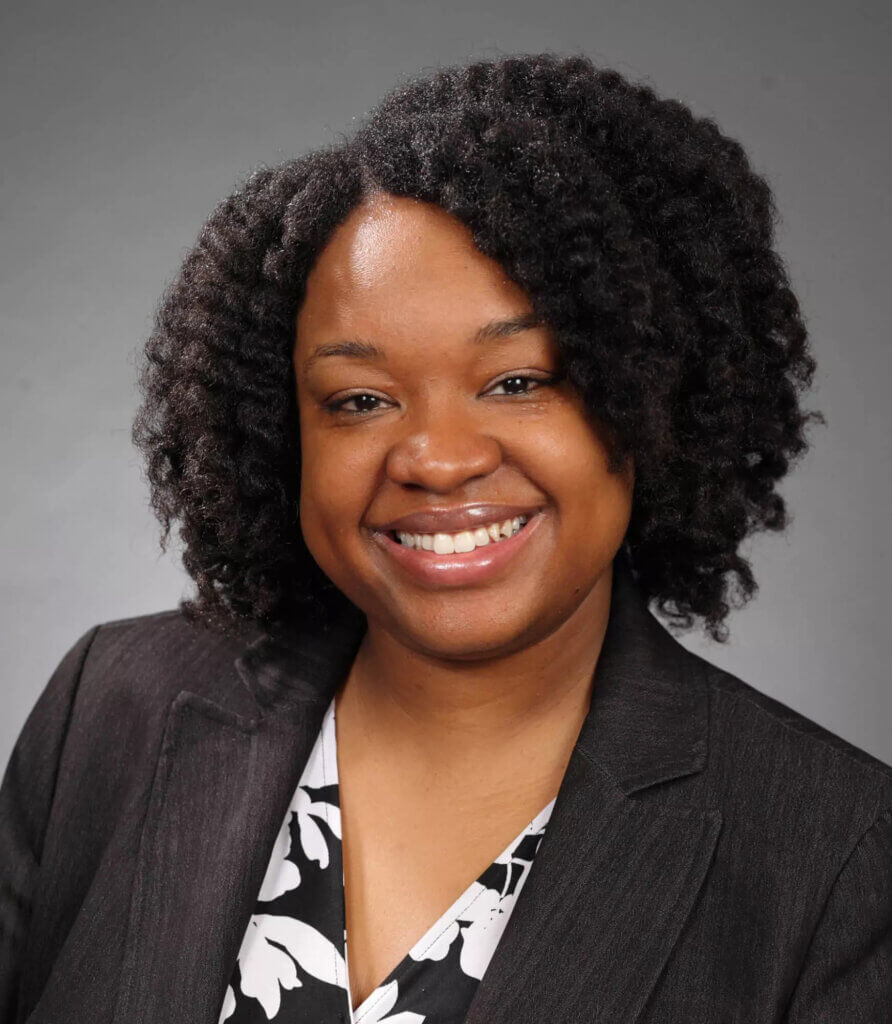
Testimonial
“A large part of the work I do is bridging connections between nonprofit, government, and business organizations, both statewide and nationally. I have learned first-hand the vital role communication plays in collaboration… I have amassed a wealth of invaluable experience through my Monmouth University education which I am able to translate into this important work.”
Tiffany McClary (Director of Communications & Marketing, New Jersey State Library)
Program Faculty
Our MA communication faculty members have a wide range of academic expertise and career experiences. Their research interests include organizational assessment, facilitation, storytelling, health communication, propaganda and fake news, political rhetoric, and experience design.

Program Director
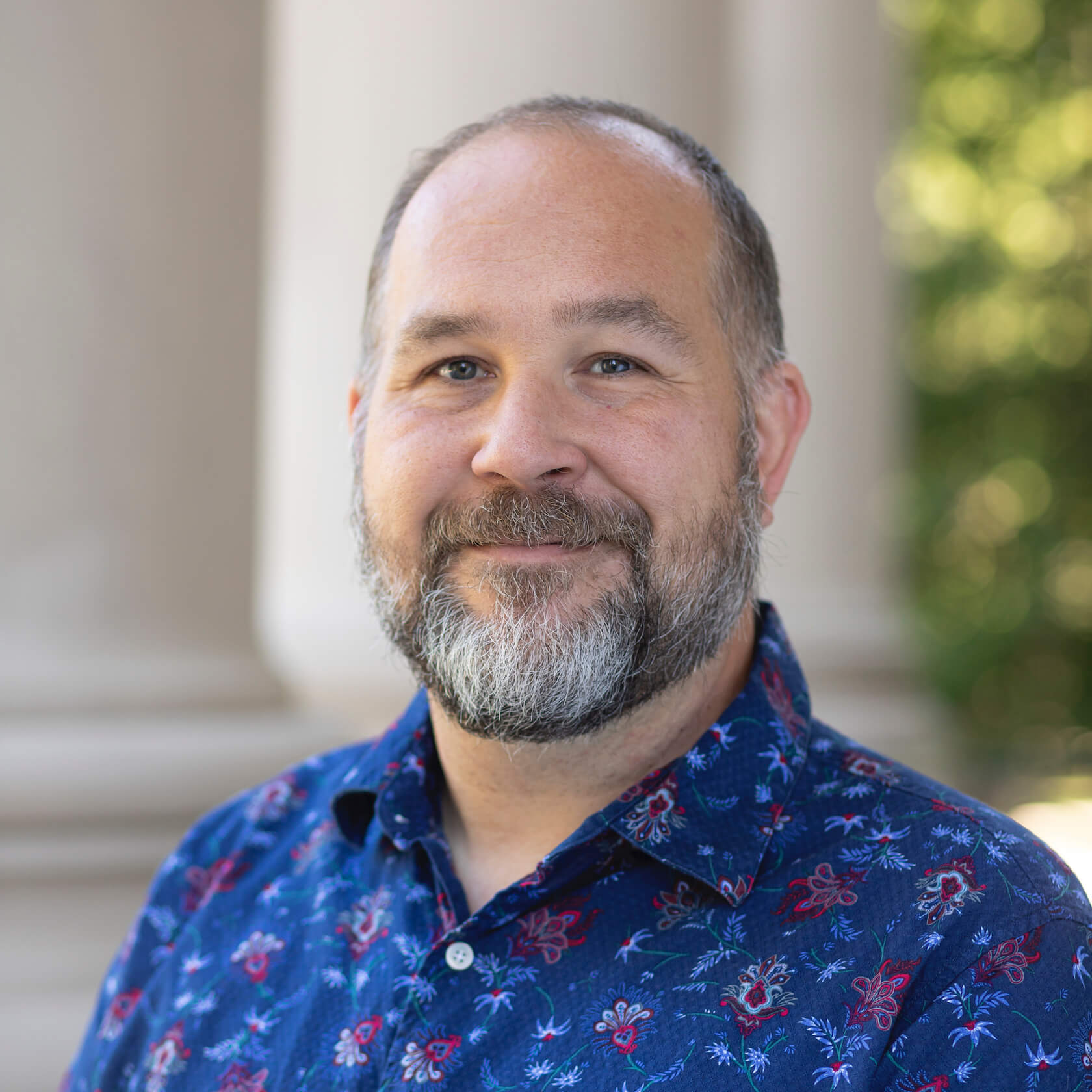
Dickie Cox, M.F.A.
Graduate Director, Master’s in Communication;
Associate Professor;
Advisor, HawkInteractive;
Advisor, eSports Club
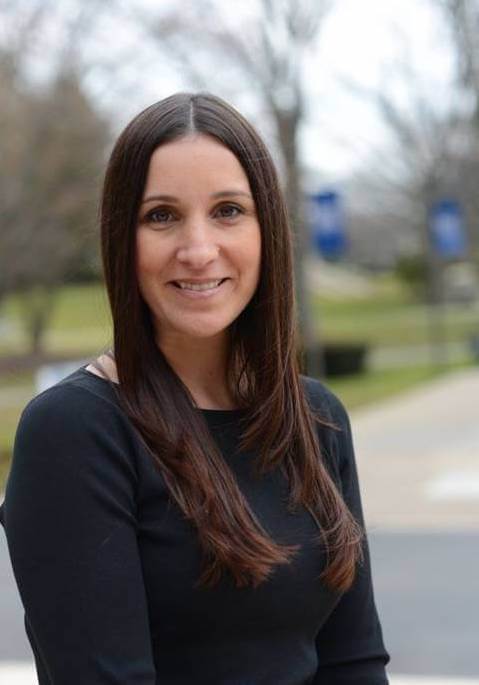
Nicole Frame, M.A.
Adjunct Professor;
Adjunct

Mary Harris, M.A., A.P.R.
Senior Specialist;
Journalism/PR Program Director;
Faculty Co-Advisor of PRSSA

Shannon Hokanson
Senior Lecturer
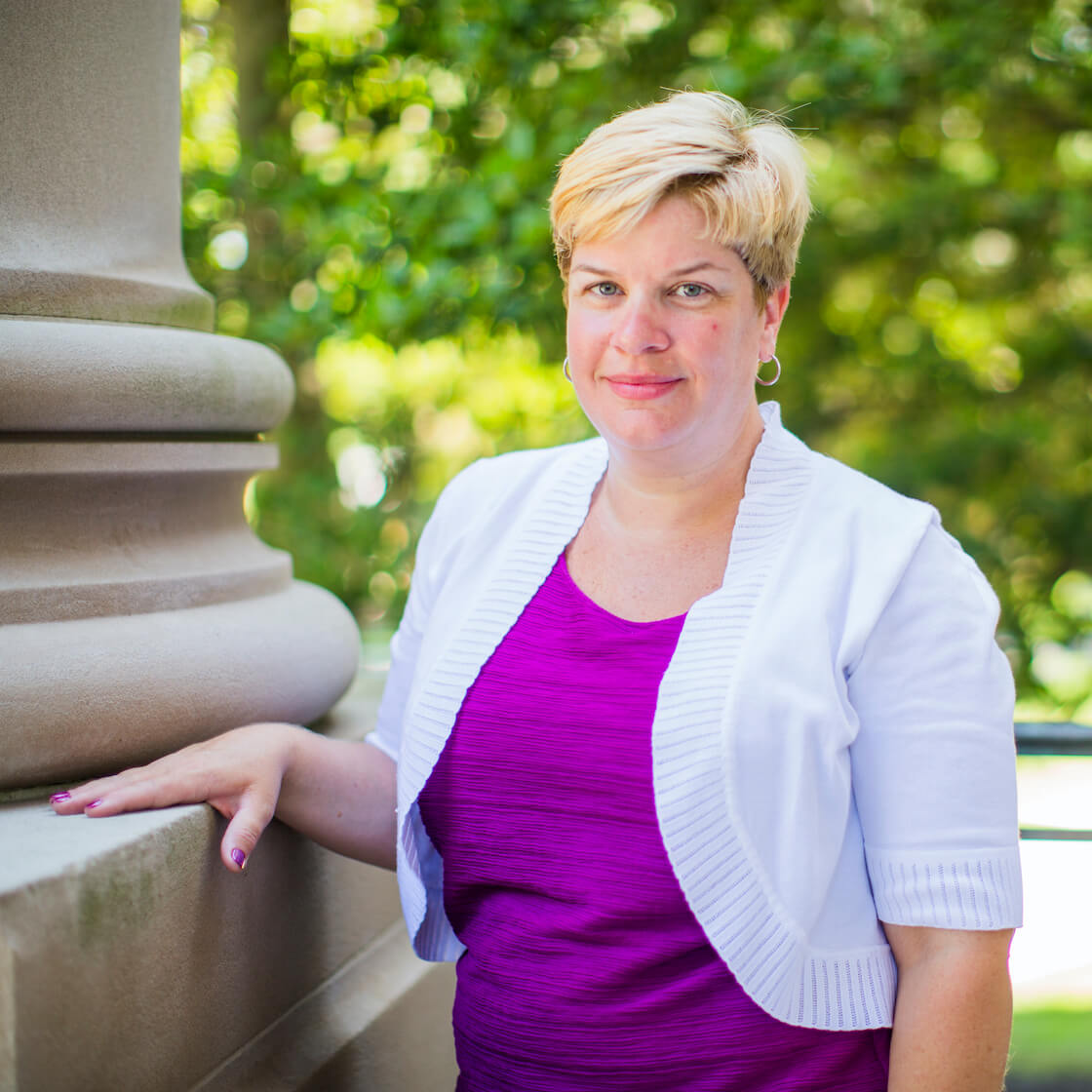
Jennifer Shamrock, Ph.D.
Senior Lecturer
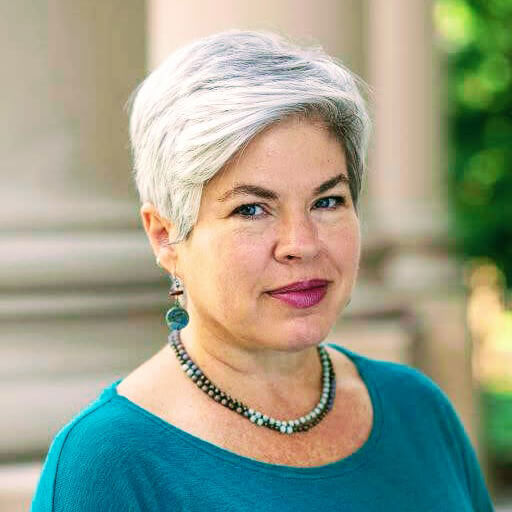
Deanna Shoemaker, Ph.D.
Chair, Department of Communication;
Professor, Communication & Performance Studies;
Advisor, CommWorks: Students Committed to Performance
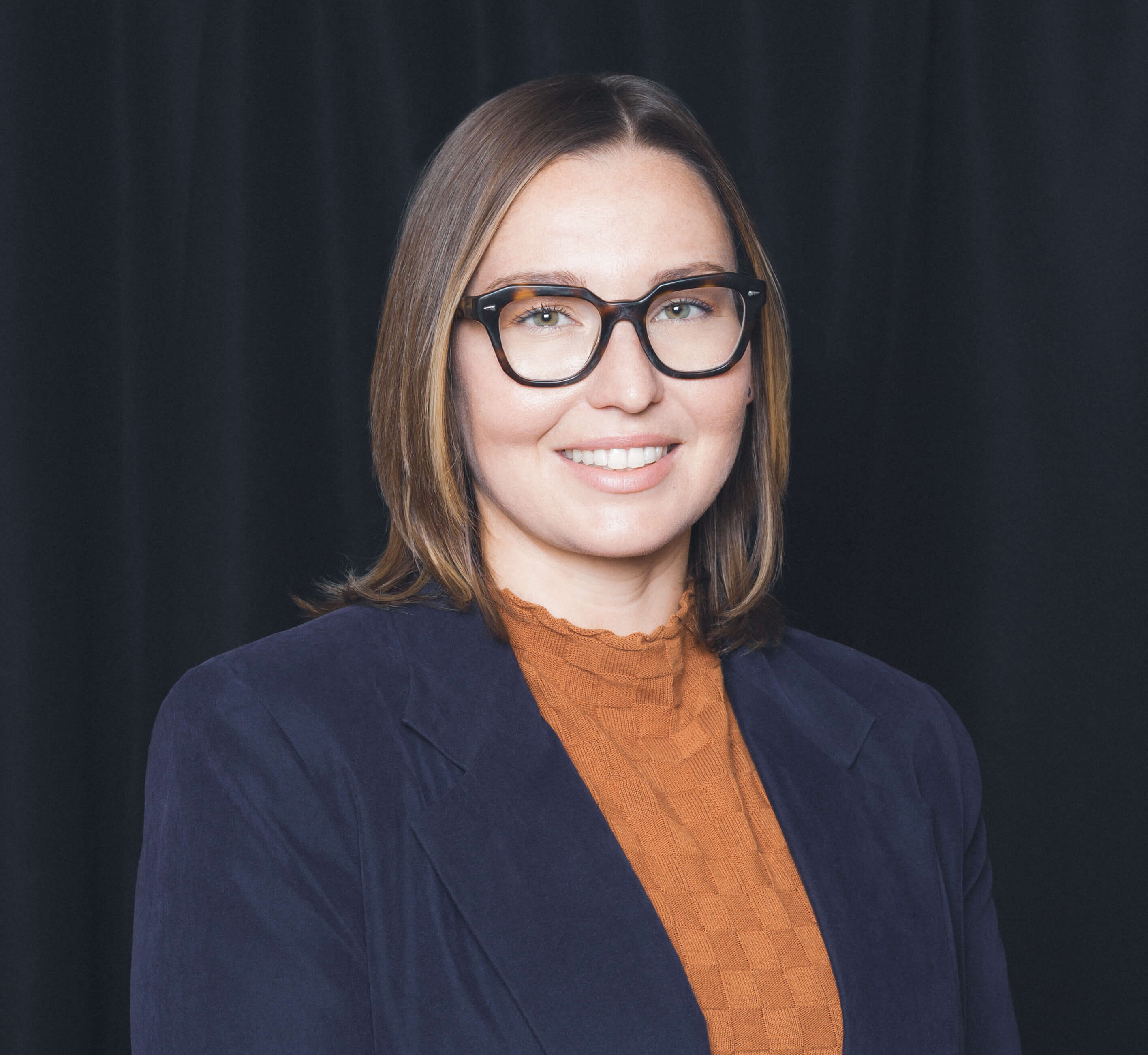
Amanda Stojanov, M.F.A.
Associate Professor, Digital Media;
Co-Principal Investigator, IDM Research Lab

Marina Vujnovic, Ph.D., A.P.R.
Professor;
Concentration Director of Strategic Public Relations and Social Media Concentration
Take the Next Step
Apply Now
Ready to apply to Monmouth’s master’s in communication program? Start your application today.