
With nearly 450 water quality samples collected by citizen scientists over the last 18 months, the data has begun to tell some stories about the condition of Monmouth County’s coastal lakes.
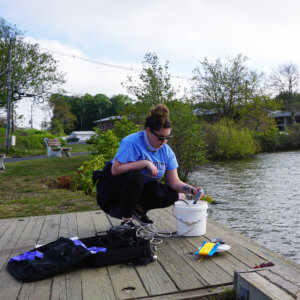 Those patterns were revealed by Monmouth University Endowed Associate Professor of Marine Science Jason Adolf during the second annual Coastal Lakes Observing Network (CLONet) Workshop, held virtually on Nov. 17 (scroll below for video and slides). The event also provided an opportunity for community volunteers who have sampled Deal Lake, Lake Como, Lake Takanassee, Sunset Lake, and Wesley Lake to share lessons learned and discuss next steps for the project heading into 2021.
According to Adolf, Secchi depth readings have been among the most telling indicators of the lakes’ overall health. These readings are taken by slowly lowering a black and white disc in the water and measuring the distance at which they are no longer visible. The deeper the visibility, the less turbid the lake.
Lake Takanassee in Long Branch has consistently shown the best depth – which lines up with other indicators showing its overall cleanliness – while Sunset Lake in Asbury Park has shown the poorest results to date. Adolf said that along a four-tier scale ranging from oligotrophic (best) to hypereutrophic (worst) conditions, the lakes on the whole fell in the latter category. Typical characteristics of hypereutrophic water bodies include an abundance of nutrients that fuel harmful algal blooms (HAB), low dissolved oxygen levels, occasional fish kill events, and the presence of thick scum and dense weeds.
“Even though Takanassee is relatively better than the other lakes, in general, we’re dealing with eutrophic to hypereutrophic systems,” Adolf said. “In terms of pollution and degradation, we’re at the bottom of the scale, which means we can only go up.”
Climate Threats Loom
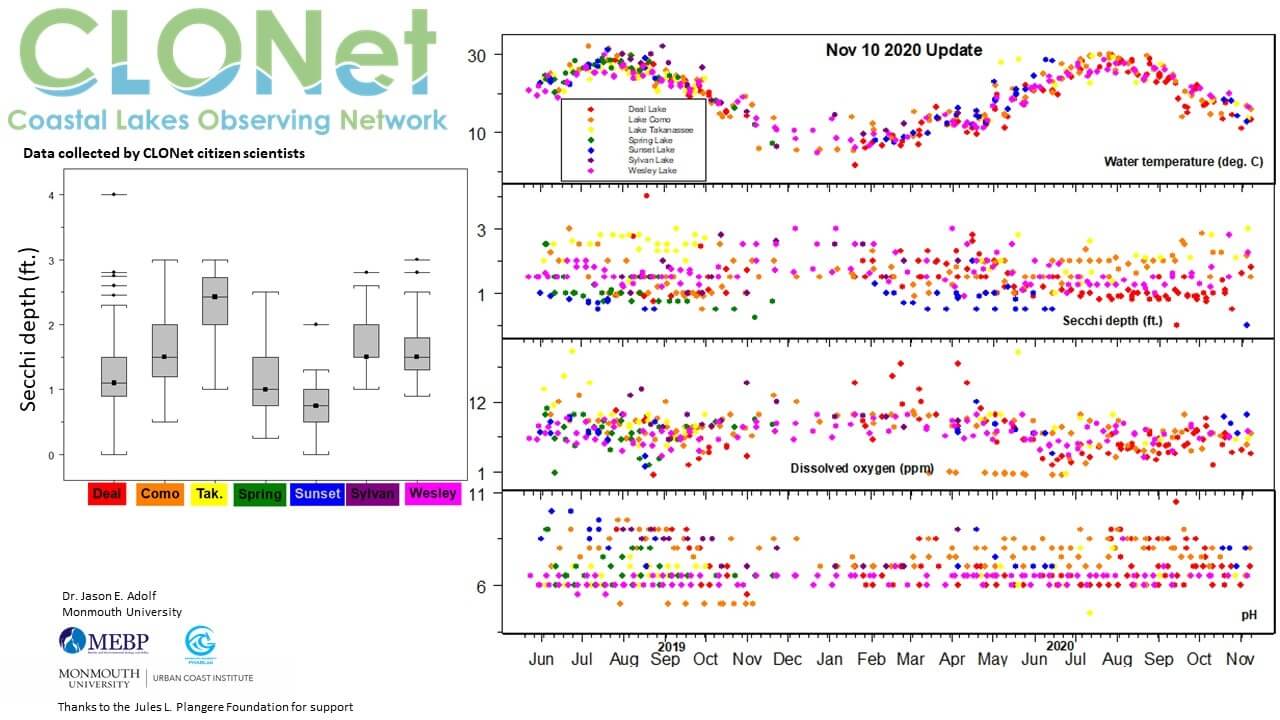
HAB organisms thrive in warm waters, especially those over 25 degrees Celsius (about 77 degrees Fahrenheit). With two summers of temperature readings now in the books, the data shows the lakes are most susceptible to HABs from June through September.
“This is something we can look at year after year and monitor whether this window is going to expand or contract as temperatures change with climate change,” Adolf said.
The analysis found a strong correlation between HAB events and rainfall, with spikes in the lakes frequently following storms during the warm season. This owes to the fact that stormwater runoff in these heavily developed areas carries nutrients such as fertilizers and animal wastes directly into the lakes.
“The climate predictions for New Jersey include increased rainfall and increased larger rainfall events,” Adolf said. “Considering how our coastal lakes seem to be responding to rainfall, that’s something we all need to be thinking about.”
Residents who observe a HAB in their lake can now report it online to the New Jersey Department of Environmental Protection (NJDEP). Vic Poretti of the NJDEP Division of Water Monitoring and Standards provided a tutorial on the agency’s HAB Interactive Map Reporting and Communication System, which gathers information including the location of the sighting, details about the lake and photos. Poretti said that although the issue of HABs in New Jersey drew more attention in 2019 due to high-profile closures at the summer tourism destinations of Lake Hopatcong and Greenwood Lake, there were actually more instances reported statewide in 2020.
Looking Ahead
CLONet’s capacity will expand in its third calendar year with the recent addition of Urban Coast Institute Citizen Science Coordinator Erin Conlon. A May 2020 graduate of Monmouth University’s Marine and Environmental Biology and Policy Program, Conlon has been working on the CLONet project since its inception and now leads citizen science trainings, checks data quality and provides equipment for volunteers. Conlon’s work and CLONet are made possible through a grant from the Jules L. Plangere, Jr. Family Foundation.
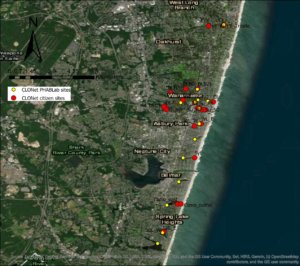 Conlon said her goals for 2021 are to increase communication between the community lake groups and build new research partnerships with outside organizations and other labs within Monmouth University. In one such partnership, CLONet will take the lead on the coastal lakes aspects of a NJDEP and U.S. Environmental Protection Agency study of HAB risks to New Jersey lakes. A phycocyanin meter donated by the Watershed Institute and NJDEP will allow CLONet to take direct measurements of the prevalence of HAB organisms in the lakes.
Conlon said she hopes to expand CLONet to cover five additional coastal lakes in Monmouth County that are not currently being tested by citizen scientists, but have been by Monmouth University Phytoplankton and Harmful Algal Bloom Lab (PHAB Lab) students: Fletcher Lake, Silver Lake, Spring Lake, Sylvan Lake and Wreck Pond. Any individuals, schools or community groups interested in volunteering as citizen scientists are encouraged to contact Conlon at econlon@monmouth.edu. Visit the CLONet website for more information.
Video & Slides: CLONet 2020 Workshop
Slides from Workshop
- Jason Adolf (PDF, 3 MB)
- Erin Conlon (PDF, 2 MB)
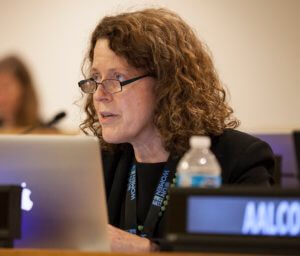 Cymie R. Payne is an associate professor at Rutgers University. She holds a joint appointment in the Department of Human Ecology and at Rutgers Law School. Professor Payne has appeared as counsel before the International Tribunal for the Law of the Sea in its deep seabed mining and fisheries advisory opinion cases. Currently, she is legal advisor to International Union for Conservation of Nature’s delegation to the intergovernmental conference for a legally binding agreement on conservation and sustainable use of biological diversity in areas beyond national jurisdiction and chair of the IUCN World Commission on Environmental, Ocean Coasts and Coral Reefs Specialist Group. She has also been a member of the Berkeley Law faculty and served as an attorney with the U.S. Department of the Interior, the law firm of Goodwin, Procter and the U.N. Security Council’s environmental war reparations program. Professor Payne holds a M.A. from The Fletcher School of Law and Diplomacy and a J.D. from the University of California, Berkeley.
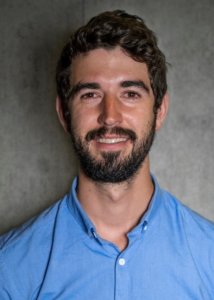 Dr. Guillermo Ortuño Crespo is a marine ecologist with a master of science from the University of St. Andrews in ecosystem-based management of marine systems and a doctorate in marine science and conservation from Duke University. Ortuño Crespo specializes in the spatial ecology patterns of distribution of both pelagic species (such as tuna, billfish and sharks) and that of pelagic fisheries (including purse seines and longliners) to identify areas of high risk and opportunity for sustainable fishing in the open ocean. He has been an active participant in the ongoing high seas BBNJ negotiations highlighting the importance of improving fisheries management beyond national jurisdiction through more transparent operations and a wider use of spatial management tools to reduce bycatch. Throughout his postdoc at the Stockholm Resilience Centre he will be working on a novel spatial management study in collaboration with the Inter-American Tropical Tuna Commission (IATTC) to develop the first ever tuna-RFMO dynamic spatial management strategy. As part of his commitment to the U.N. Decade of Ocean Science, Ortuño Crespo is facilitating the conversation on corporate sustainability among early career professionals with the ultimate objective of fostering strong relationships between upcoming science, conservation or technology young leaders and those companies which show determination in leading the way towards a more sustainable future.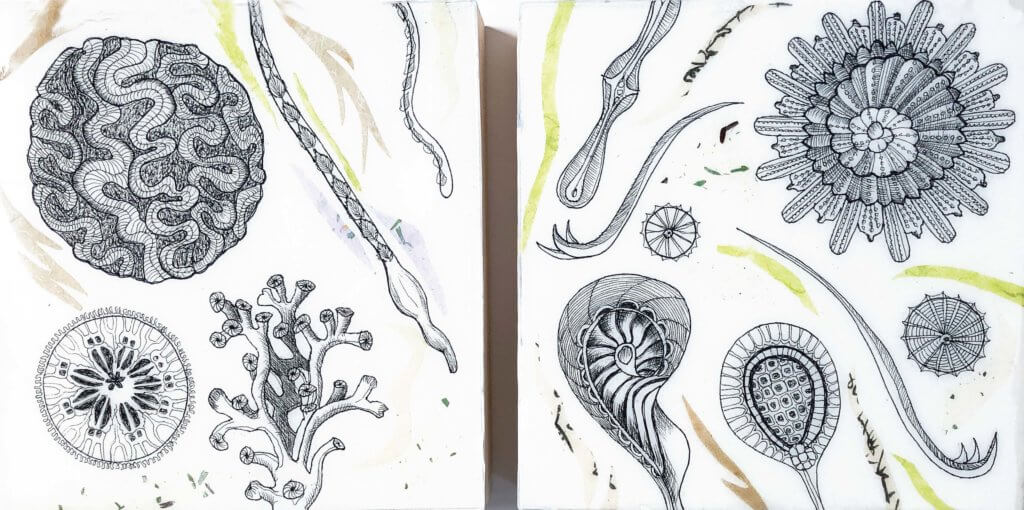
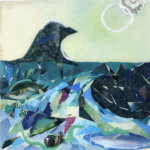
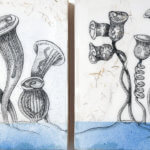
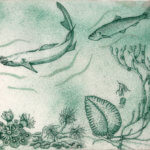
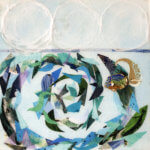
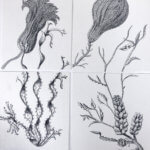
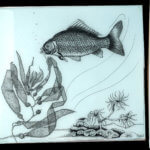
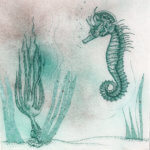
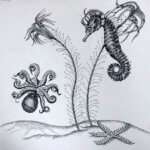
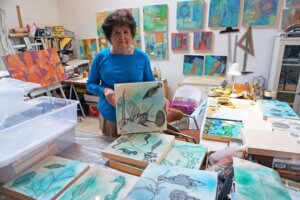 Count among them Monmouth University Professor Pat Cresson, who recently created over 50 works highlighting both microscopic marine organisms and larger sea creatures. Cresson presented her collection, The Interface Between Marine Biology and Creative Microscopic Inhabitants of the Sea, in a
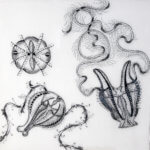
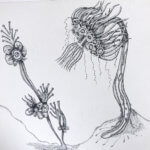
 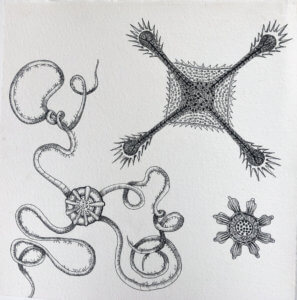 Cresson’s first works in the collection were detailed black ink drawings on heavy white watercolor paper. She then began creating a series of illustrations on deep wood panels that were covered with glued drawings on paper. Then an epoxy surface was poured over these panels, sometimes stained blue or green giving the appearance that they were submerged under water. She also created several collages on paper adhered to wood panels depicting ocean scenes. (Scroll to gallery below to view samples of her works.) Materials for the project were purchased through a faculty enrichment grant awarded via the Urban Coast Institute’s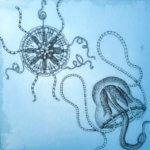
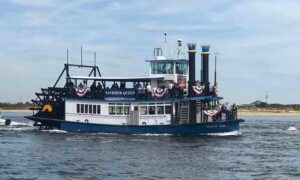 Come rolling on the rivers and bays with Capt. Dan Schade and his old-time paddle wheeler, the Navesink Queen, in the latest edition of the Mid-Atlantic Ocean Data Portal’s “Ocean Stories” series, created by UCI Communications Director Karl Vilacoba. The story and its interactive data maps provide a snapshot of life navigating the crowded waters of the Navesink and Shrewsbury rivers and Sandy Hook and Raritan bays aboard his fleet of classic boats.
 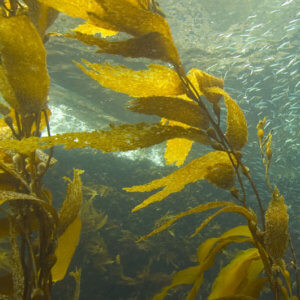 The Urban Coast Institute’s Marine & Environmental Speaker Series returns Nov. 10 from noon to 1 p.m. with “Is Seaweed a Fish?” by Ethan Prall, Esq. The talk is free and open to the public. Upon registration, attendees will receive an email with the Zoom link for the event.
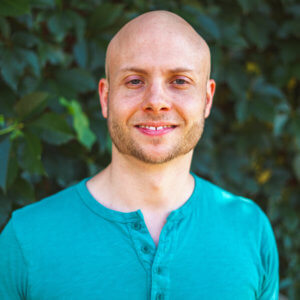 Ethan Prall, Esq. is an environmental lawyer and policy advocate at the law firm Latham & Watkins LLP, in Washington, DC. He represents clients on a variety of domestic and international environmental and clean energy law and policy, including: creating the government for a new clean energy zone overseas, offshore wind energy permitting, Endangered Species Act consultations, and litigating against the Trump Administration’s rollback of California’s vehicle emissions standards. His scholarly work focuses on addressing the global challenges posed by anthropogenic change on natural systems, such as climate change and biodiversity loss. His latest publication, forthcoming Spring 2021, focuses on U.S. federal regulation of seaweed farming as a potential climate change mitigation tool. He holds a B.A. from Texas A&M University, an M.T.S. from Duke University, and a J.D. from Harvard Law School.