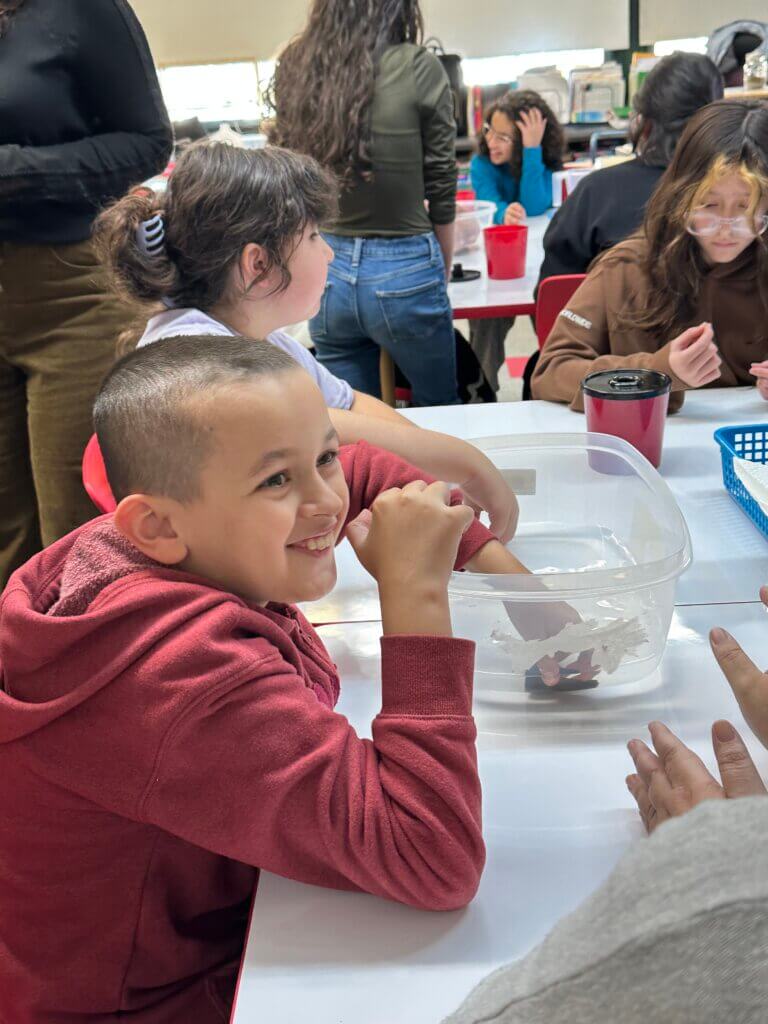
The Monmouth University Climate Change Learning Collaborative is thrilled to celebrate the accomplishments of our partner school districts. Check out the page below to see some partner highlights.
Want your school district’s work to be featured on our page? Contact us at muclimateeducation@monmouth.edu!
Jackson School District
District Sustainability Committee
Jackson School District’s sustainability efforts are guided by a District Sustainability Committee that brings together representatives from across the district to advance environmental stewardship, climate education, resource conservation, and sustainable practices. The committee works collaboratively to support district-wide initiatives, share successful practices among schools, pursue Sustainable Jersey for Schools certification, and identify opportunities to expand environmental learning experiences for students. Through this collaborative approach, sustainability initiatives have grown from individual school projects into district-wide efforts that engage students, staff, administrators, and community partners.
Expanding Food Share Program
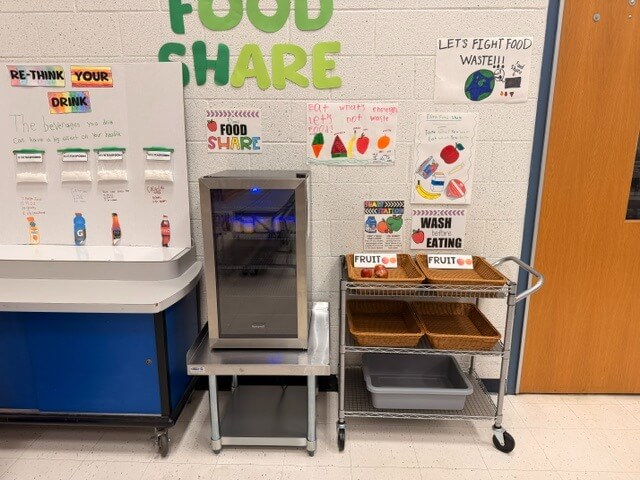
Jackson School District is expanding food waste reduction efforts through participation in the Sustainable School Food Service & Cafeterias Initiative, a statewide program offered by Sustainable Jersey for Schools. Building on the successful Food Share Program established at Elms Elementary School in 2021, students place unopened food items in designated sharing areas so they can be redistributed to other students and after-school programs. As one of only nine New Jersey school districts selected for the initiative, Jackson received grant funding, training, and technical support to expand Food Share opportunities districtwide and implement additional waste-reduction strategies, helping students become responsible environmental stewards.
Recycling Education and Waste Reduction
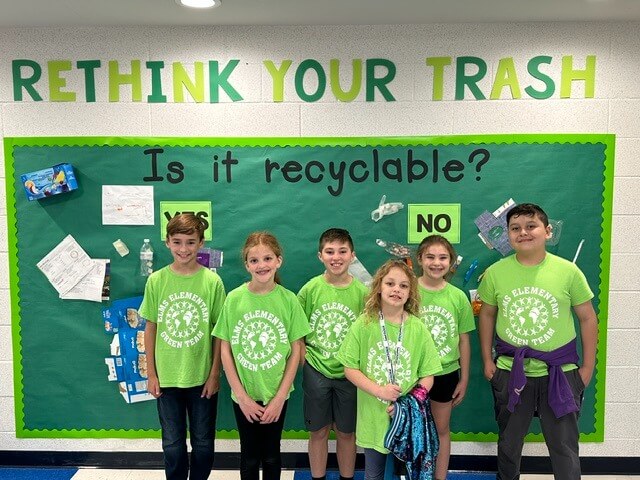
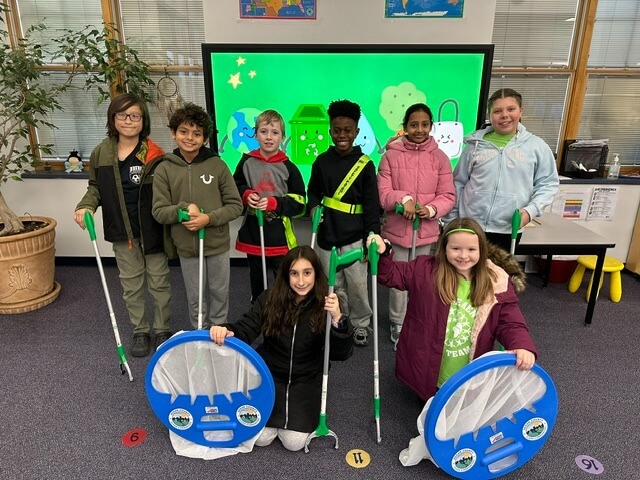
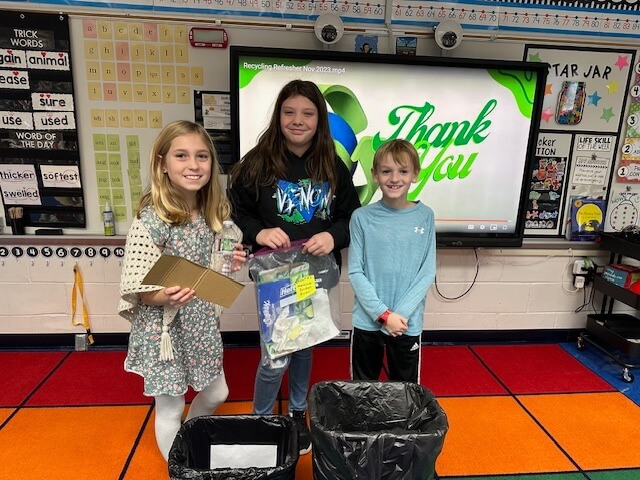
Jackson School District continues to expand recycling education and waste reduction efforts through a collaborative, district-wide approach. Working closely with the Ocean County Department of Solid Waste, schools provide education on county-specific recycling guidelines to help ensure materials are recycled correctly. Students play an active role through Green Teams and other leadership opportunities, conducting recycling audits, educating peers, and supporting school-wide recycling efforts. Recycling initiatives have expanded across multiple schools, while partnerships with community organizations have enhanced environmental learning through contests, clean-up activities, and sustainability events. Through education, leadership, and hands-on participation, students are helping build a culture of sustainability throughout the district.
School Gardens, Greenhouses, and Outdoor Learning
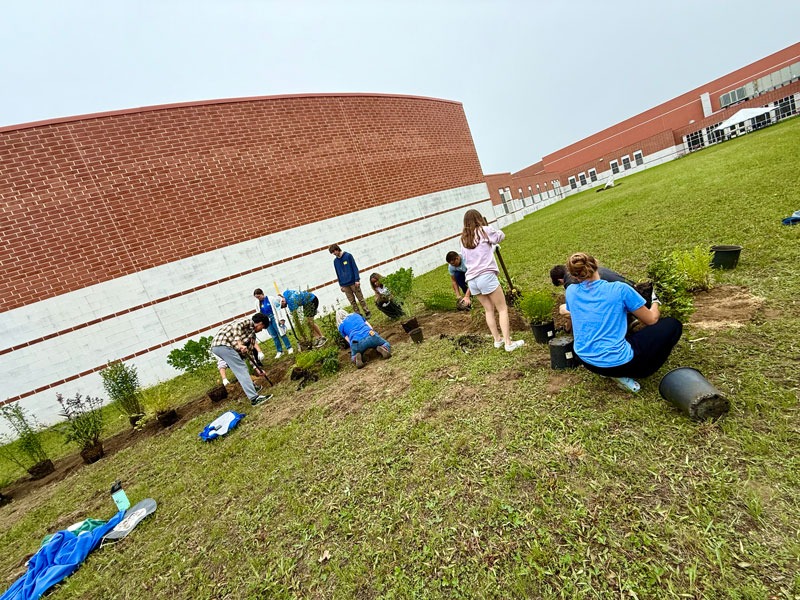
Students throughout Jackson School District engage in hands-on environmental learning through gardens, greenhouses, and outdoor learning spaces that connect classroom instruction to real-world environmental stewardship. Across the district, these living classrooms provide opportunities for students to explore plant life cycles, pollinator habitats, biodiversity, food systems, weather, composting, and sustainable growing practices through direct observation and hands-on experiences.
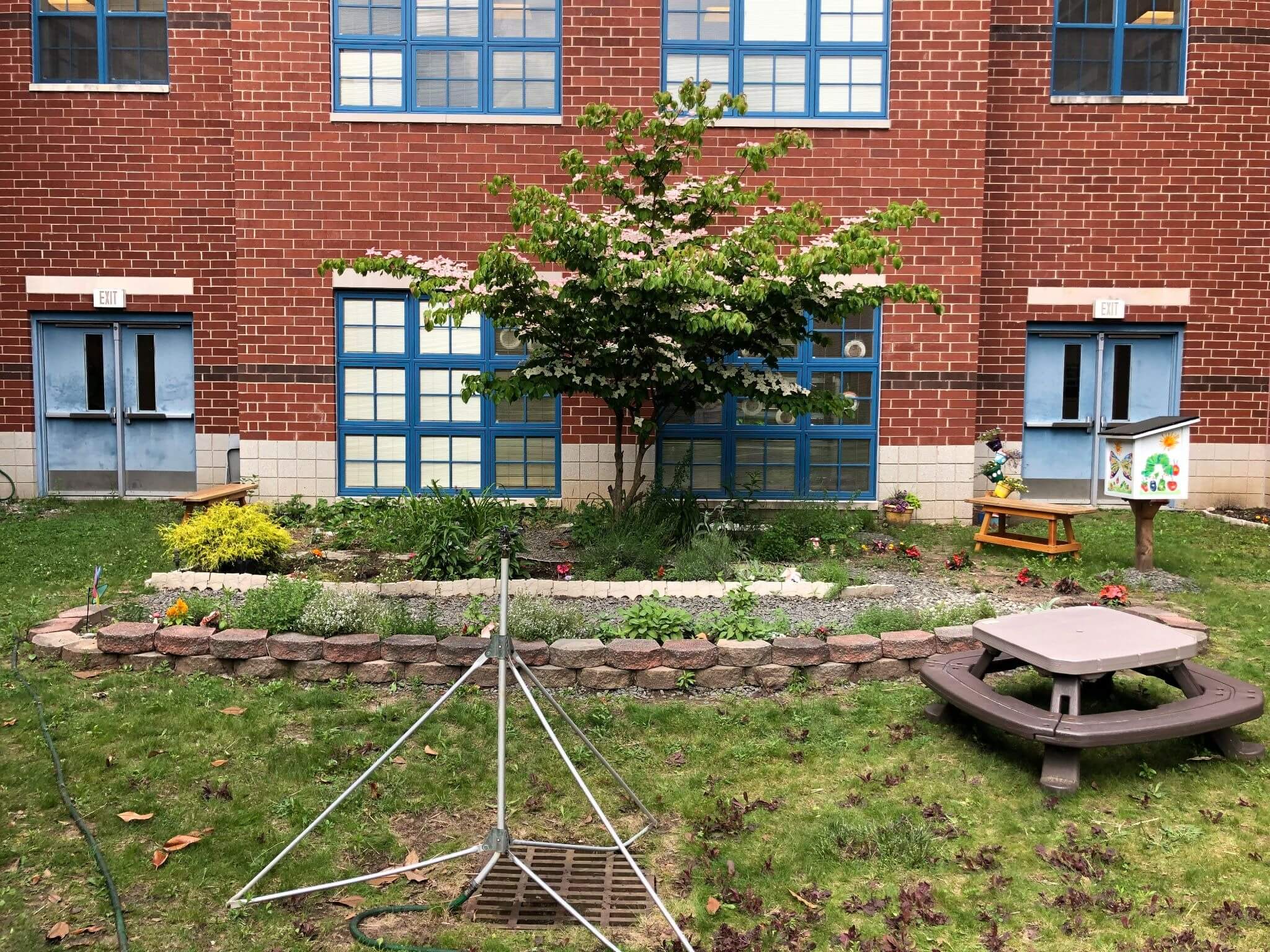
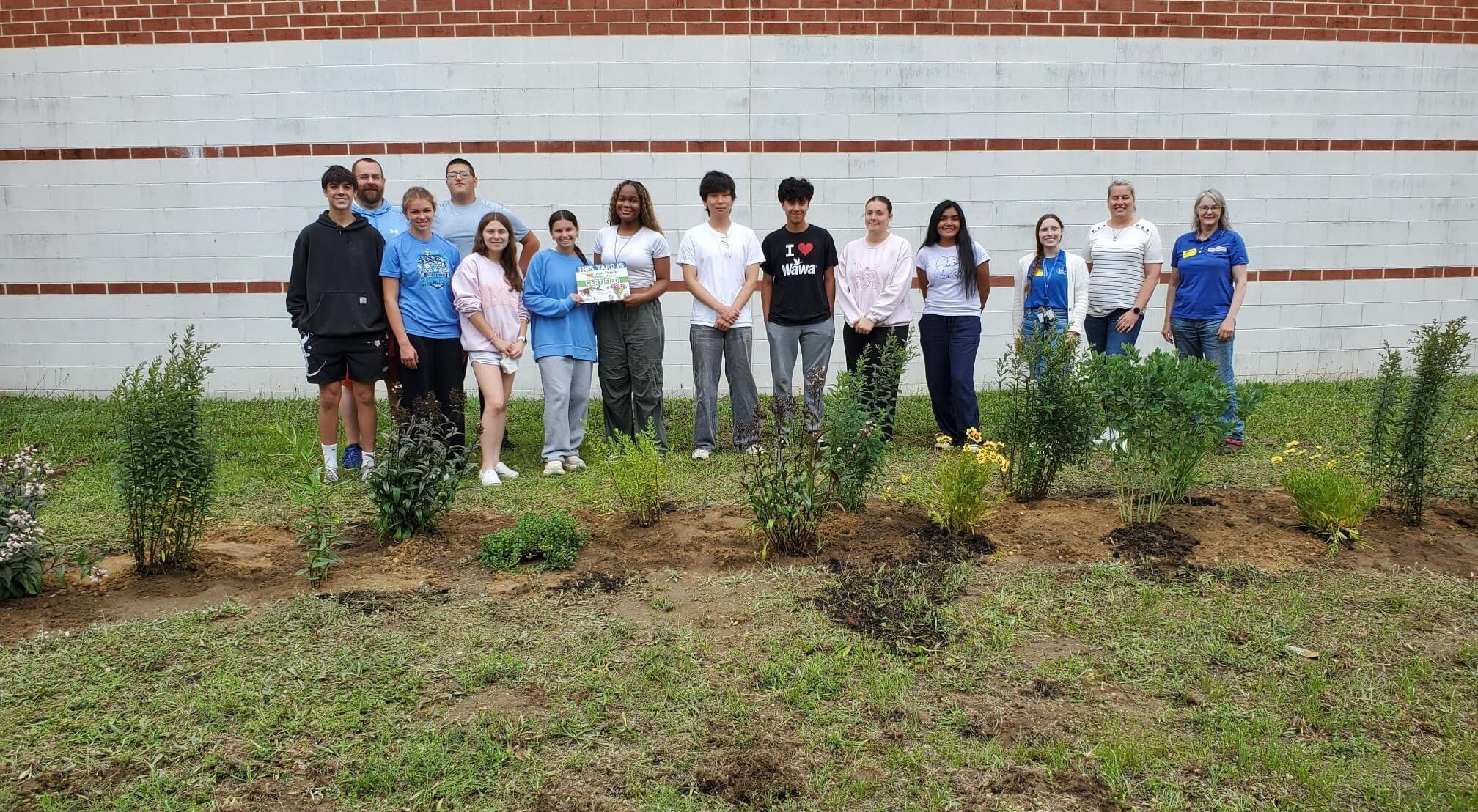
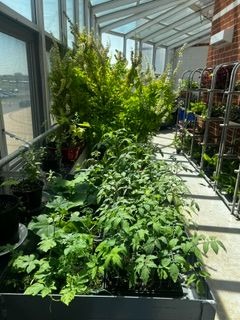
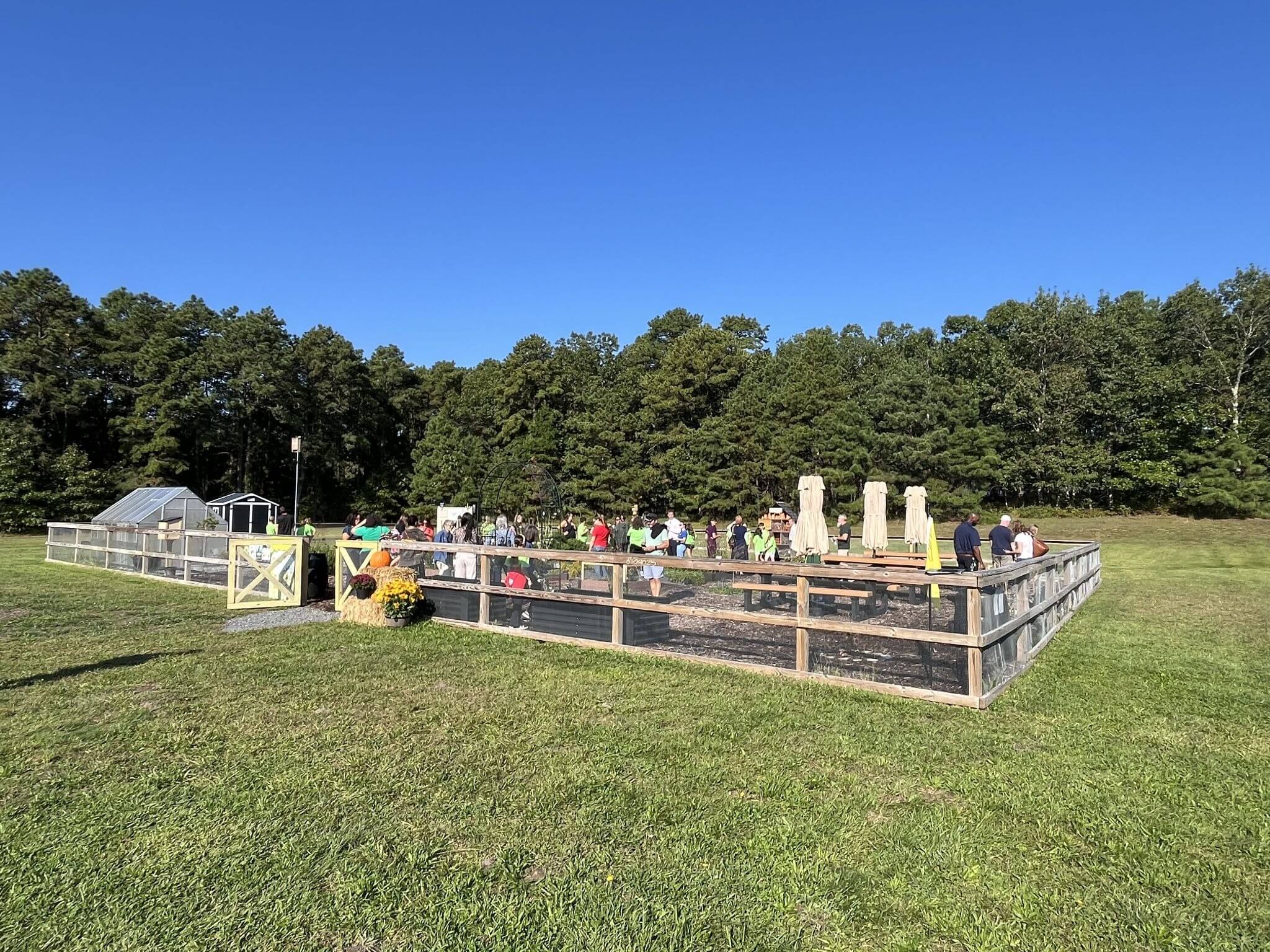
Outdoor learning spaces can be found throughout the district. At Elms Elementary School, students utilize the Outdoor Environmental Learning Center and Garden and courtyard Learning Garden to investigate local ecosystems, support pollinators, grow food, and observe wildlife. Switlik Elementary School maintains a greenhouse and flower garden that support environmental learning and stewardship, while students at Jackson Township High School participate in greenhouse and garden programs that explore horticulture, food production, and sustainable growing practices. The district continues to enhance these spaces, including plans to revitalize the courtyard garden at Jackson Township Middle School. Together, these outdoor classrooms foster curiosity, scientific inquiry, and meaningful connections to the natural world.
Student Leadership and Climate Action
Students across Jackson School District are actively engaged in sustainability initiatives that foster leadership, problem-solving, and environmental stewardship.
Through Green Teams, environmental projects, recycling campaigns, food waste reduction efforts, energy conservation initiatives, and community partnerships, students are empowered to take meaningful action within their schools and communities. These experiences help students develop the knowledge, skills, and confidence needed to become future environmental leaders.
Student involvement remains at the heart of the district’s sustainability efforts, ensuring that learning extends beyond the classroom and into authentic action.
Keyport Public Schools
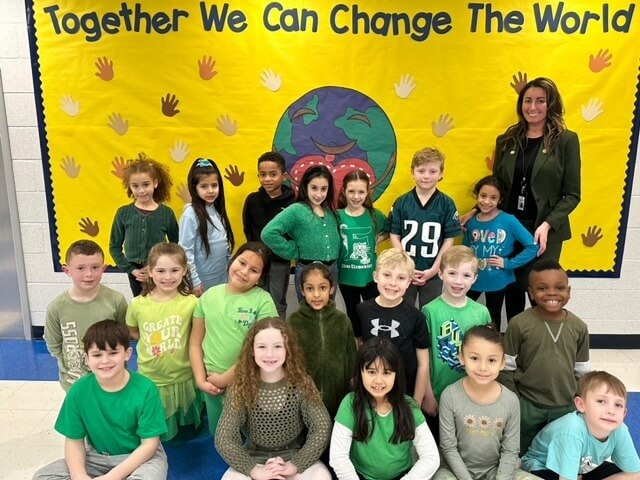
Keyport Public School District once again earned Bronze Sustainable Schools certification, a testament to the authentic, hands-on climate action taking place across their schools!
Climate Summer Program at Red Raider University
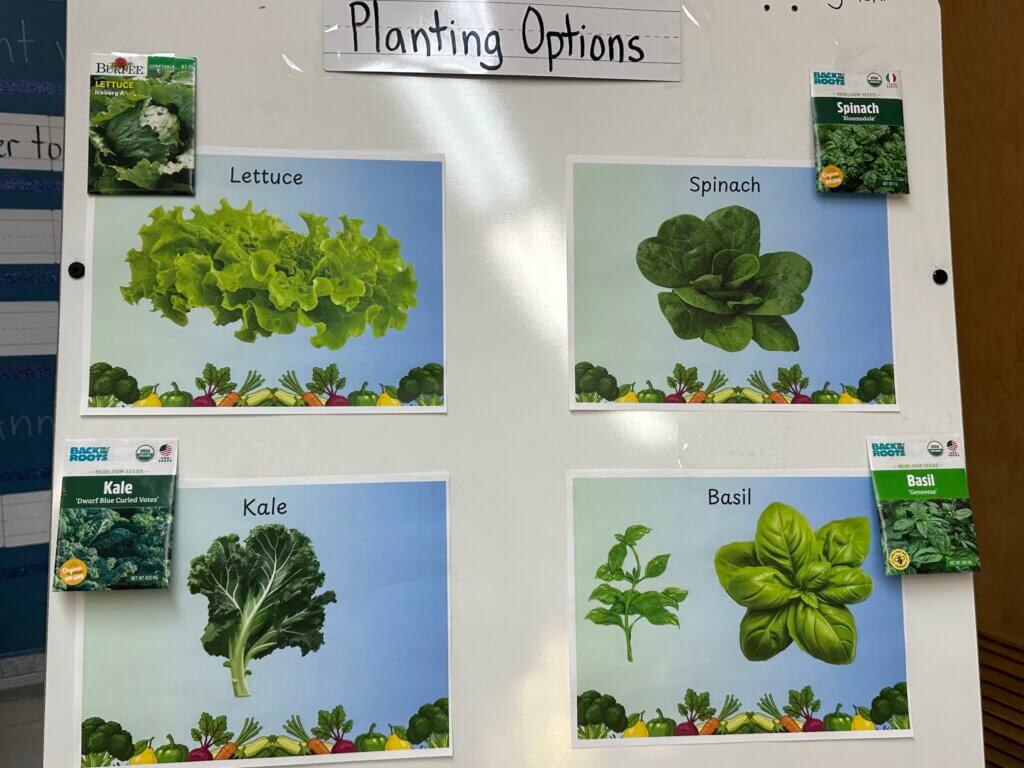
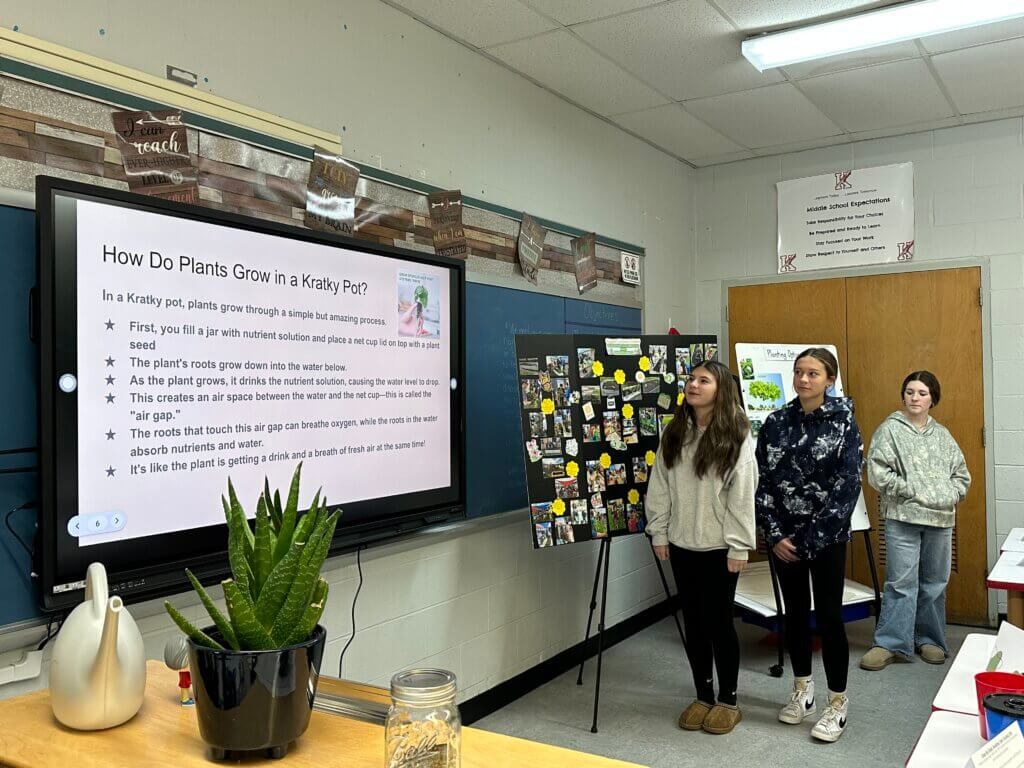
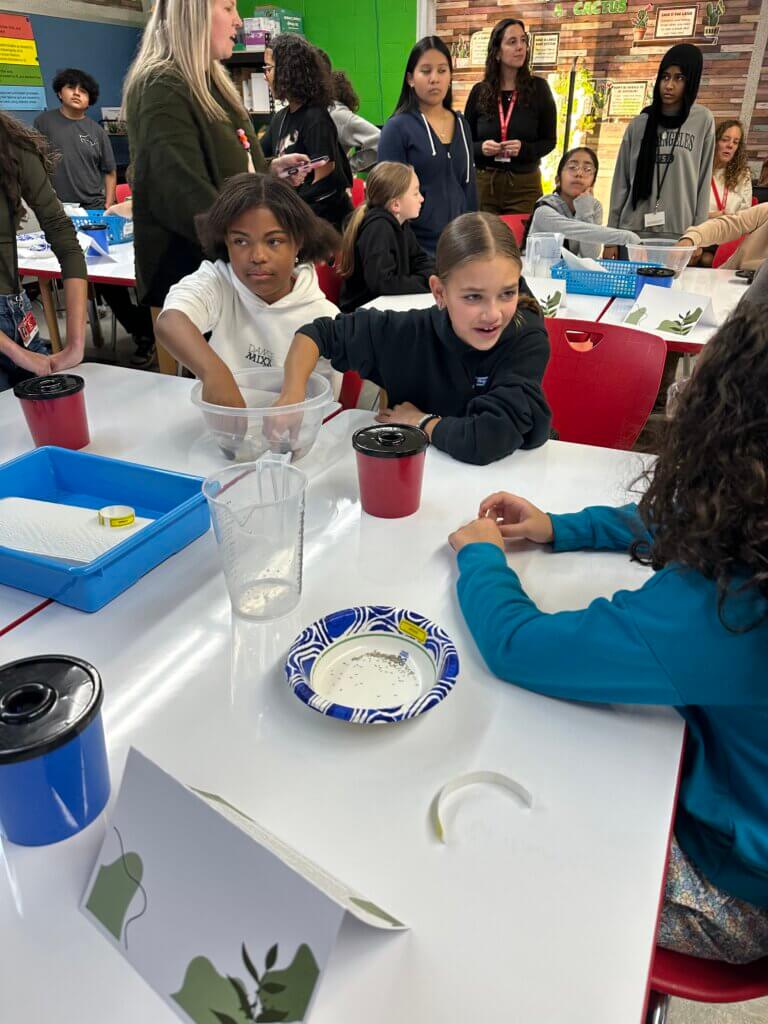
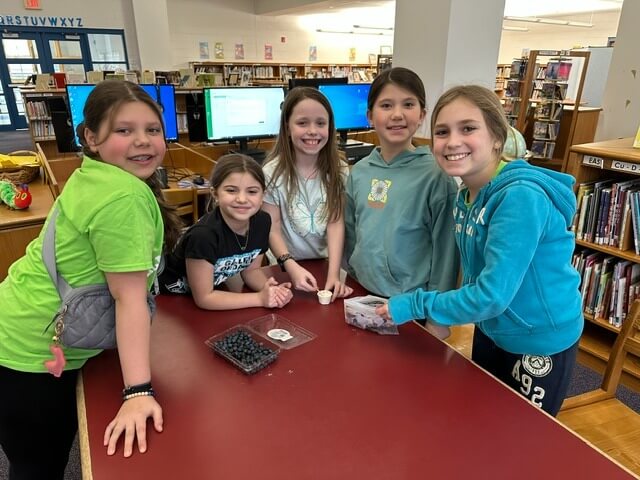
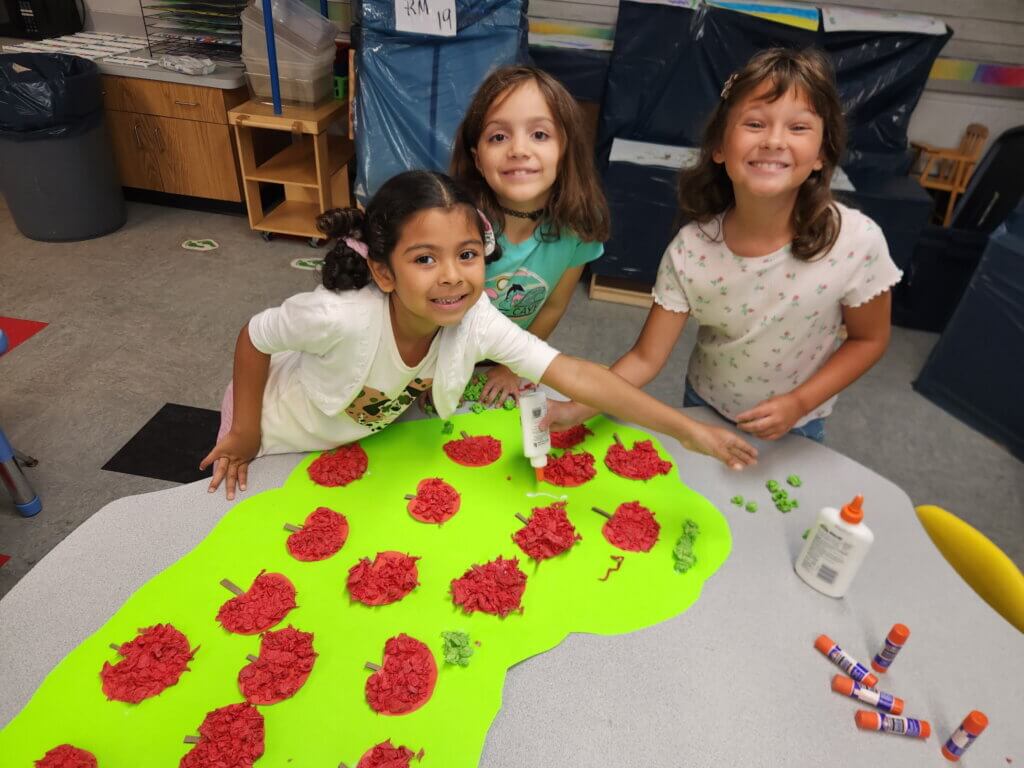
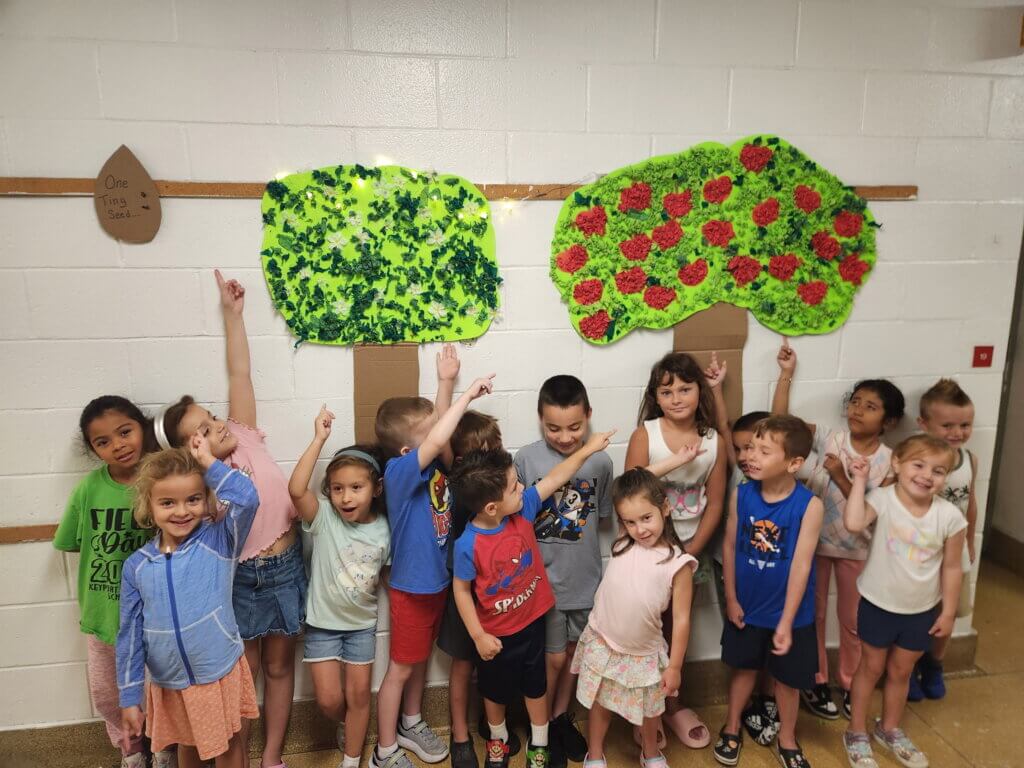
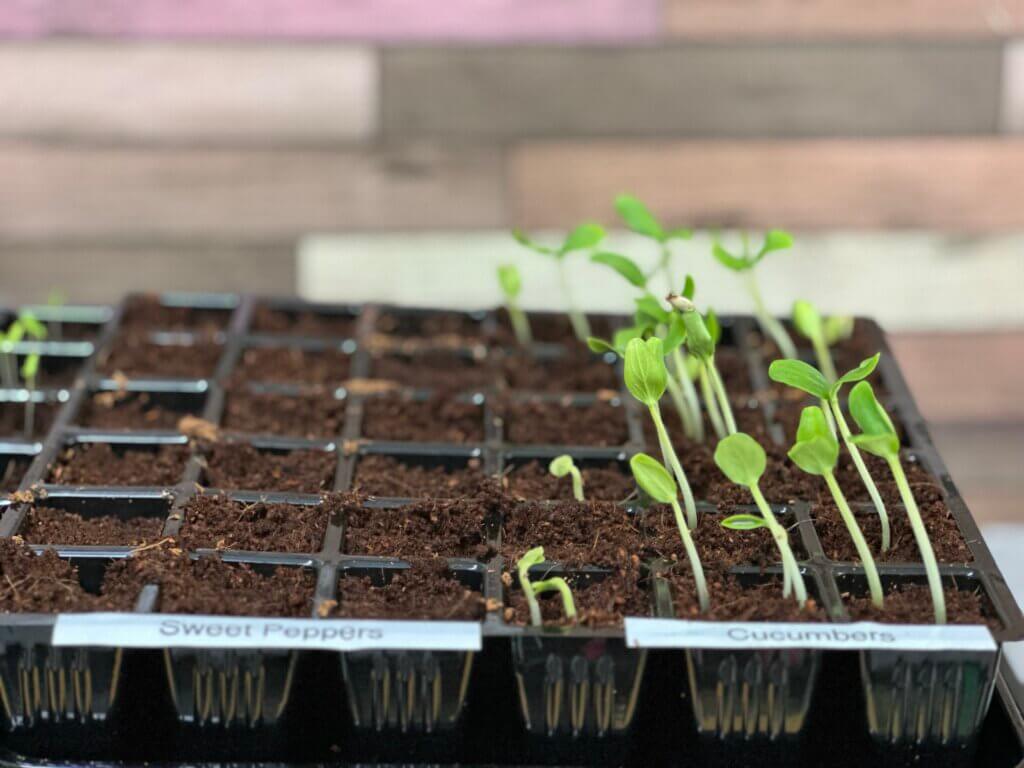
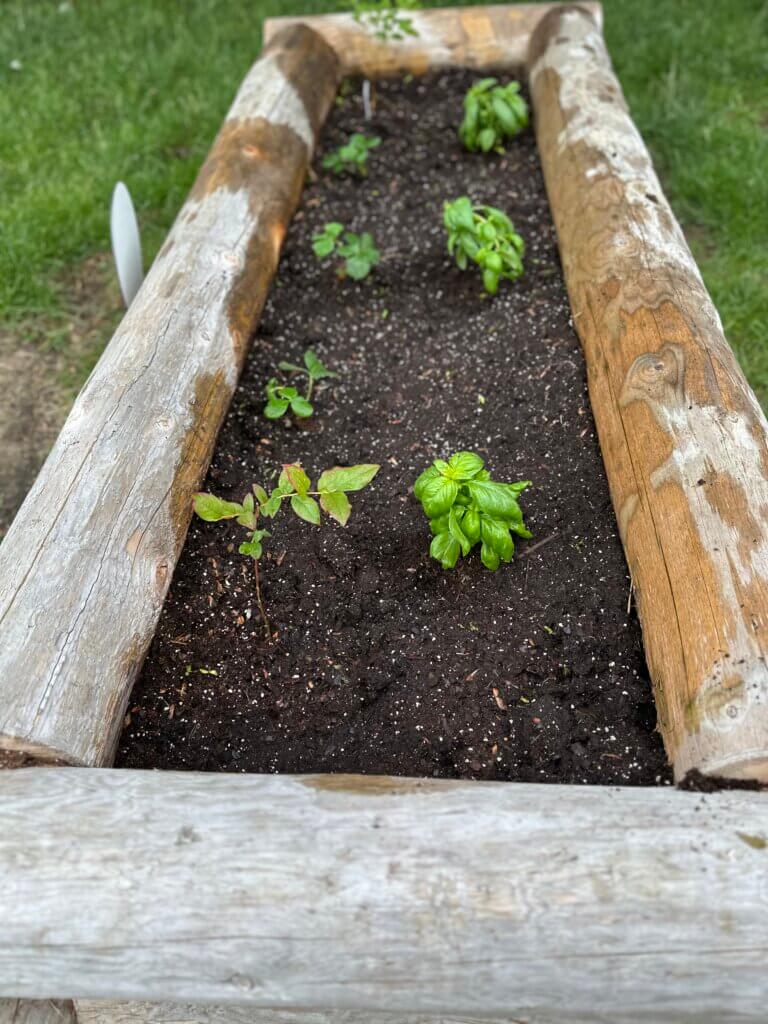
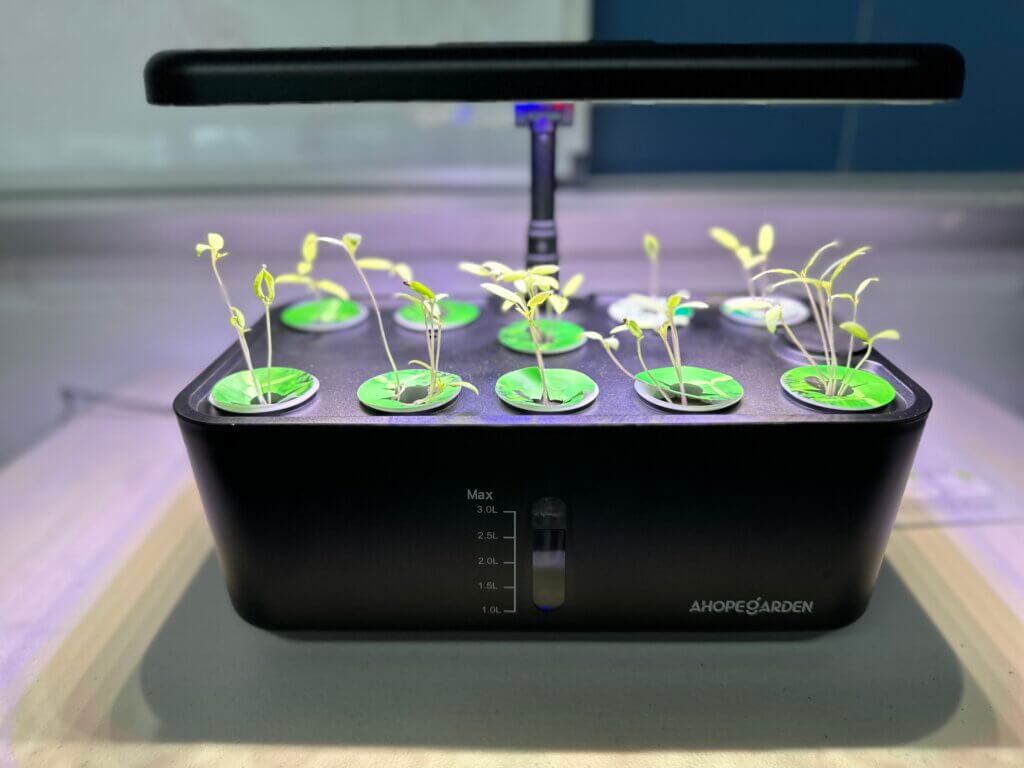
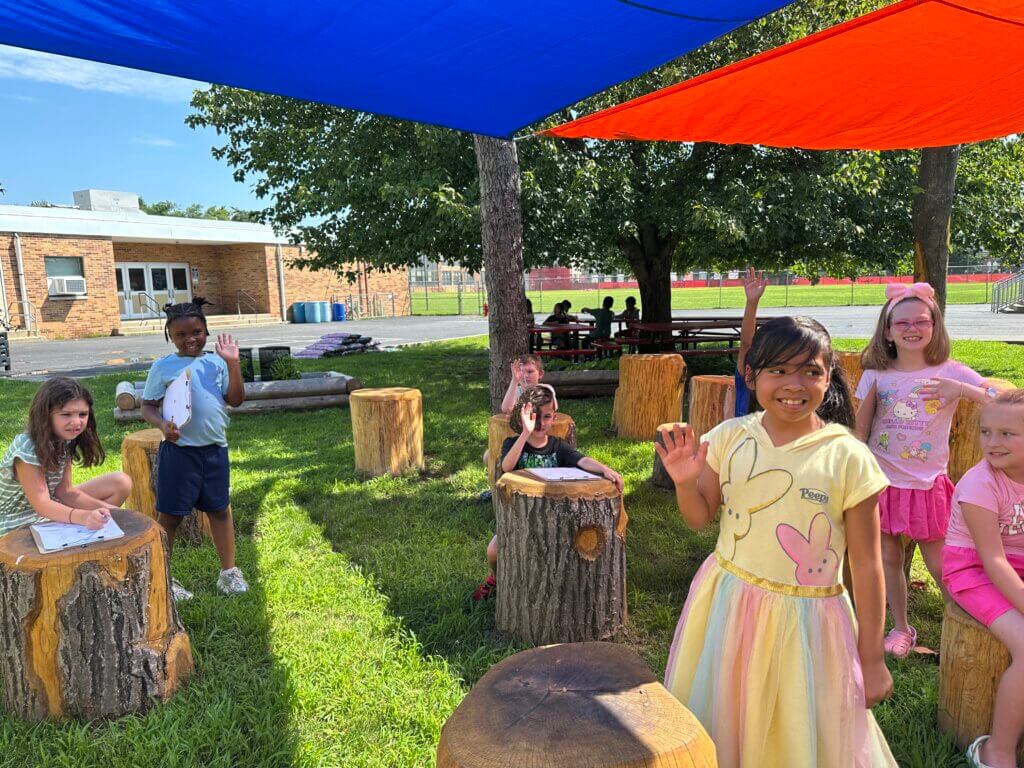
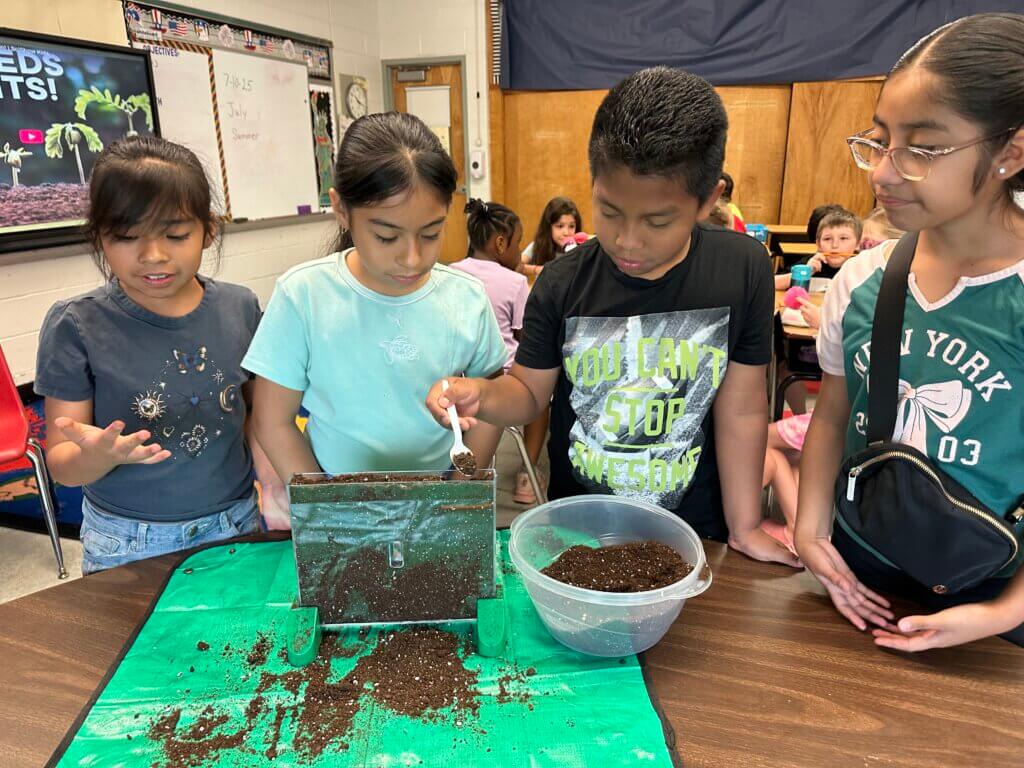
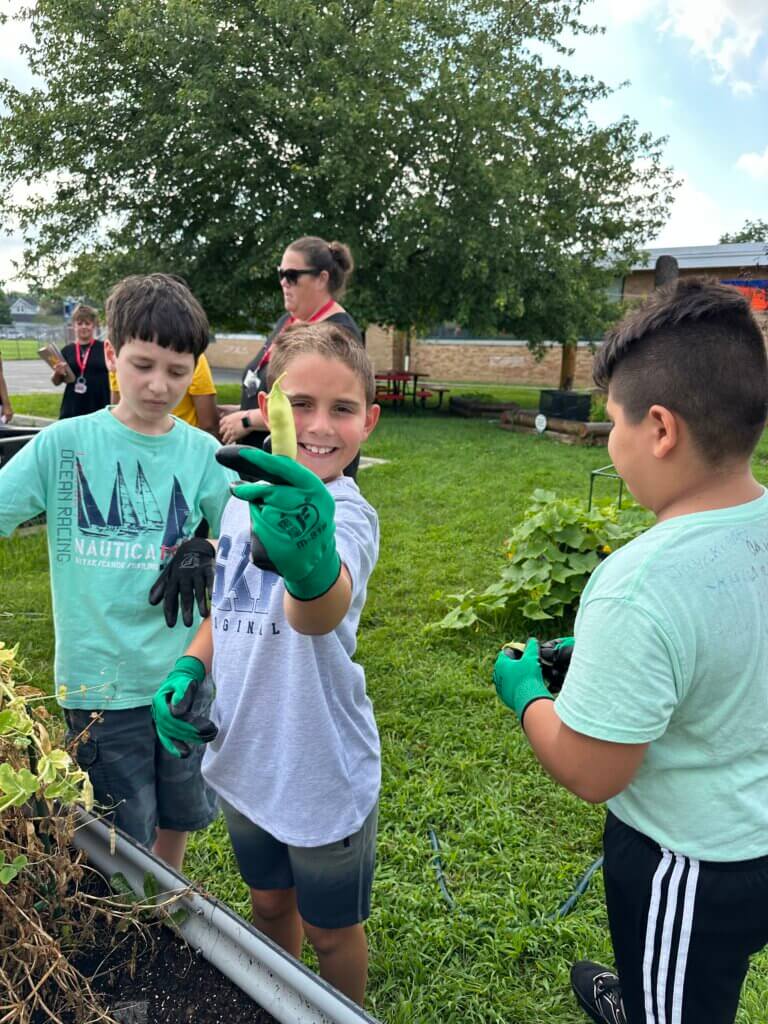
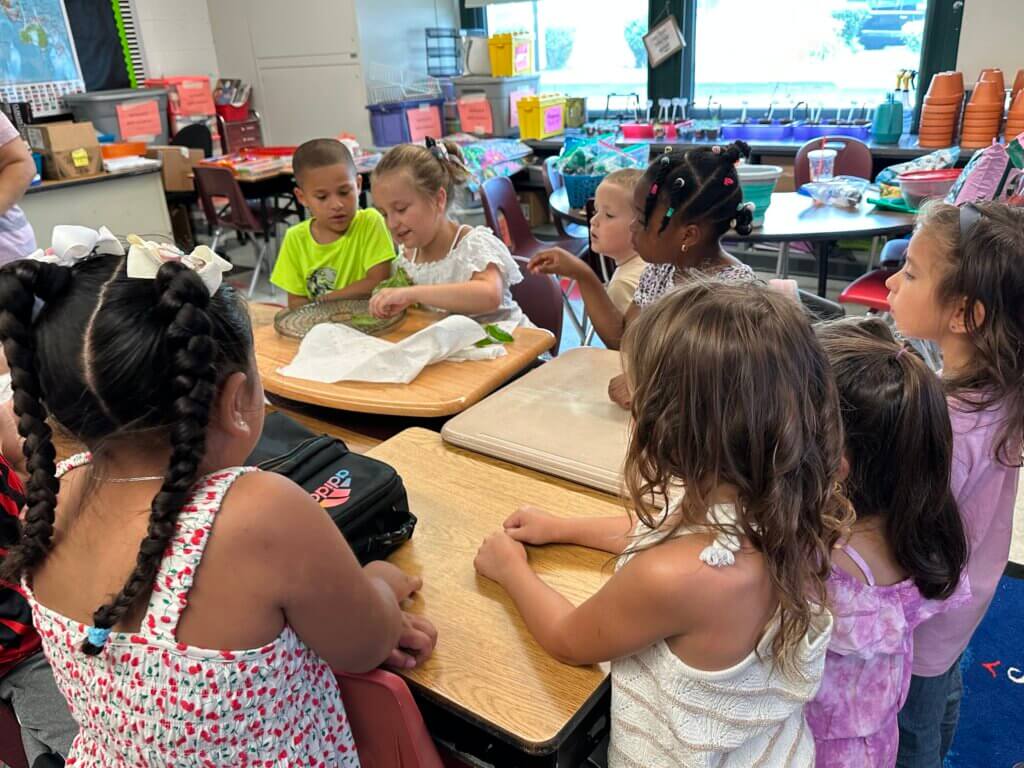
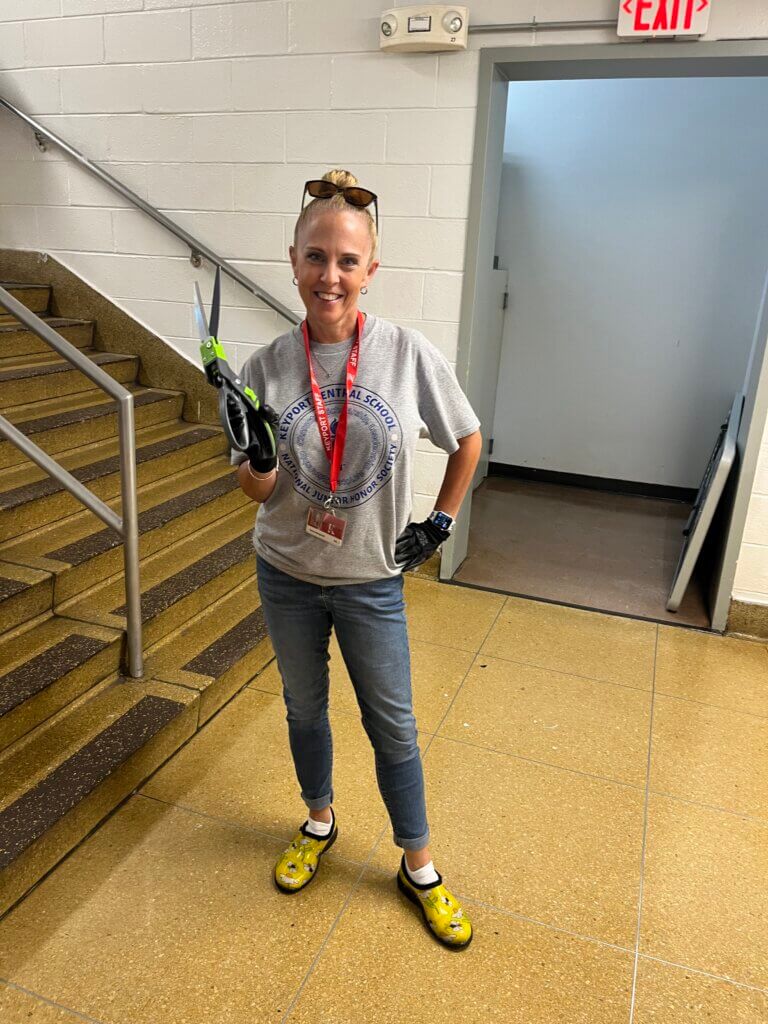
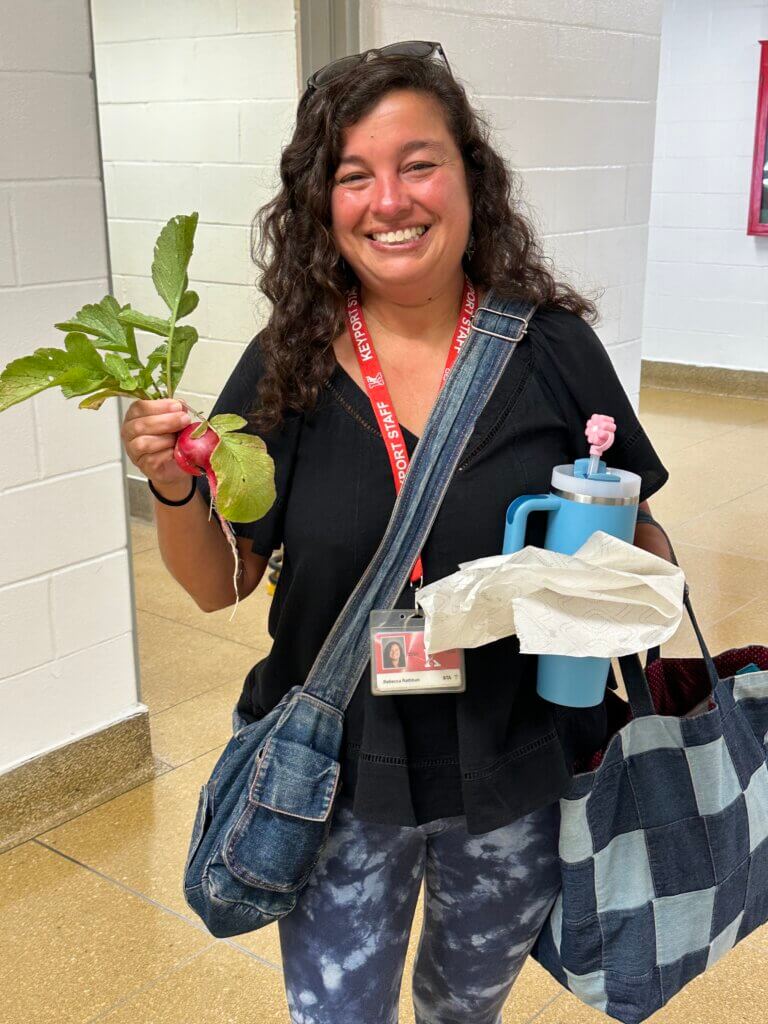
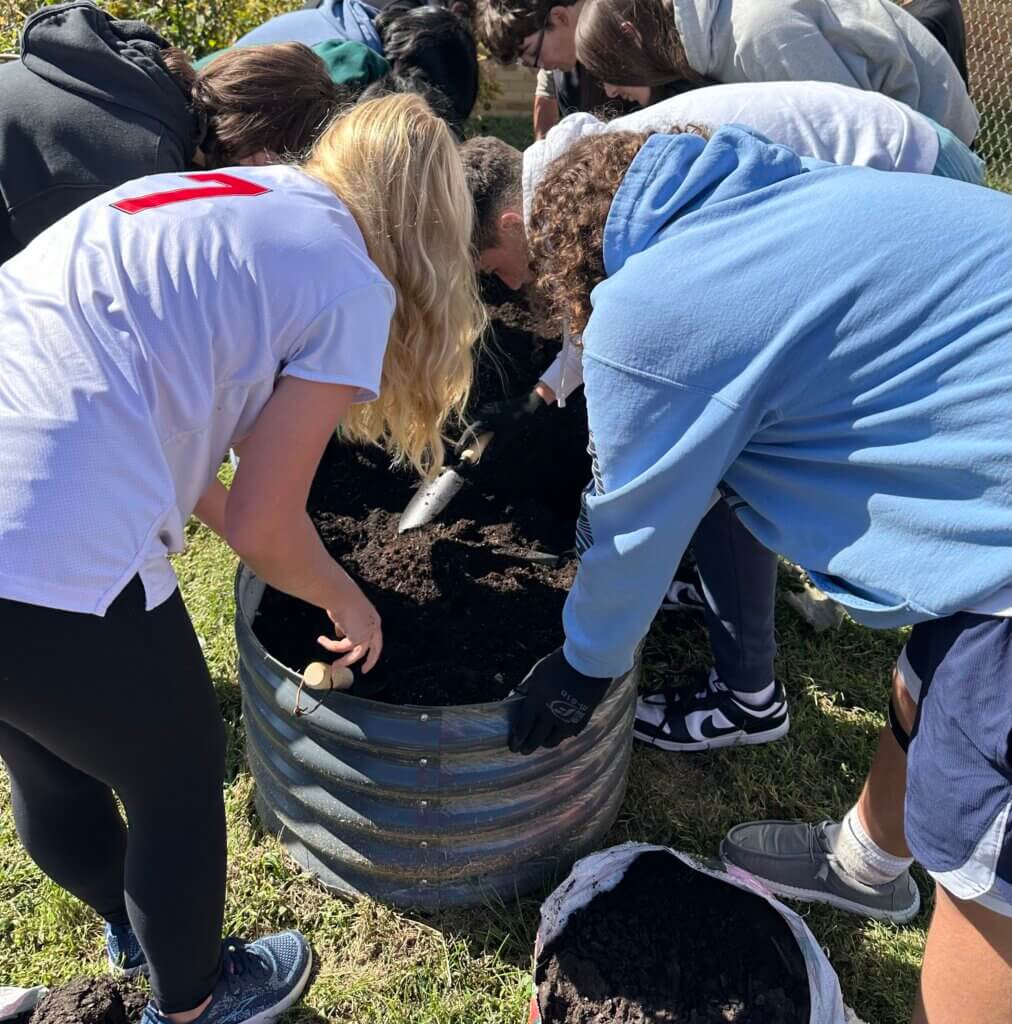
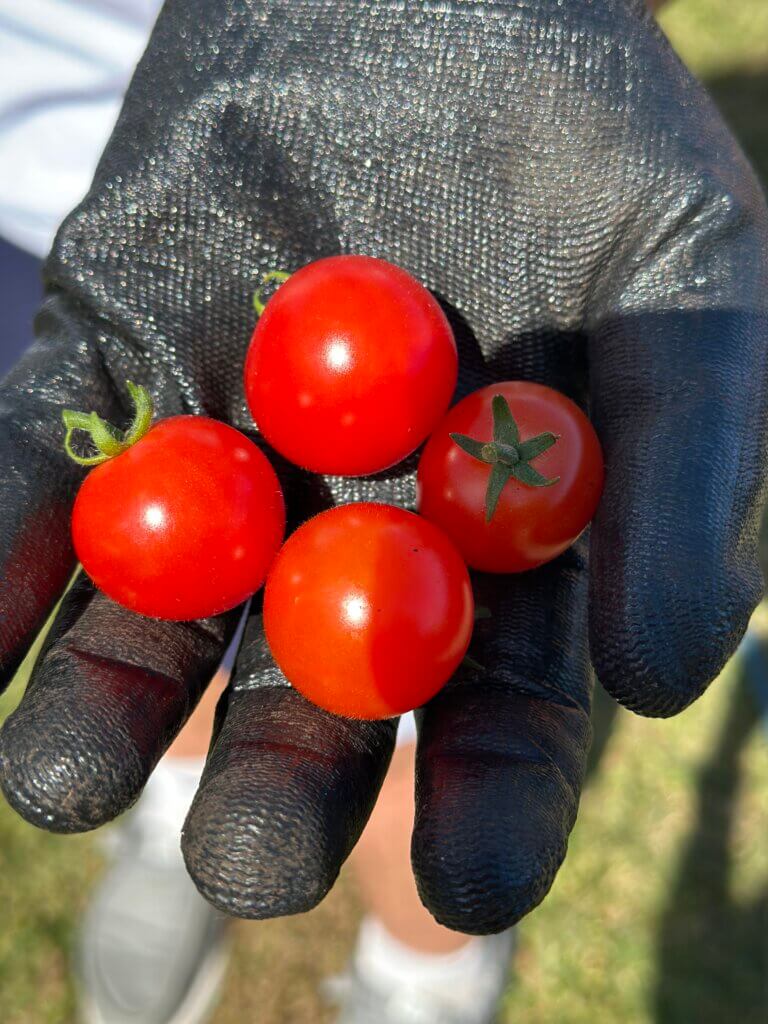
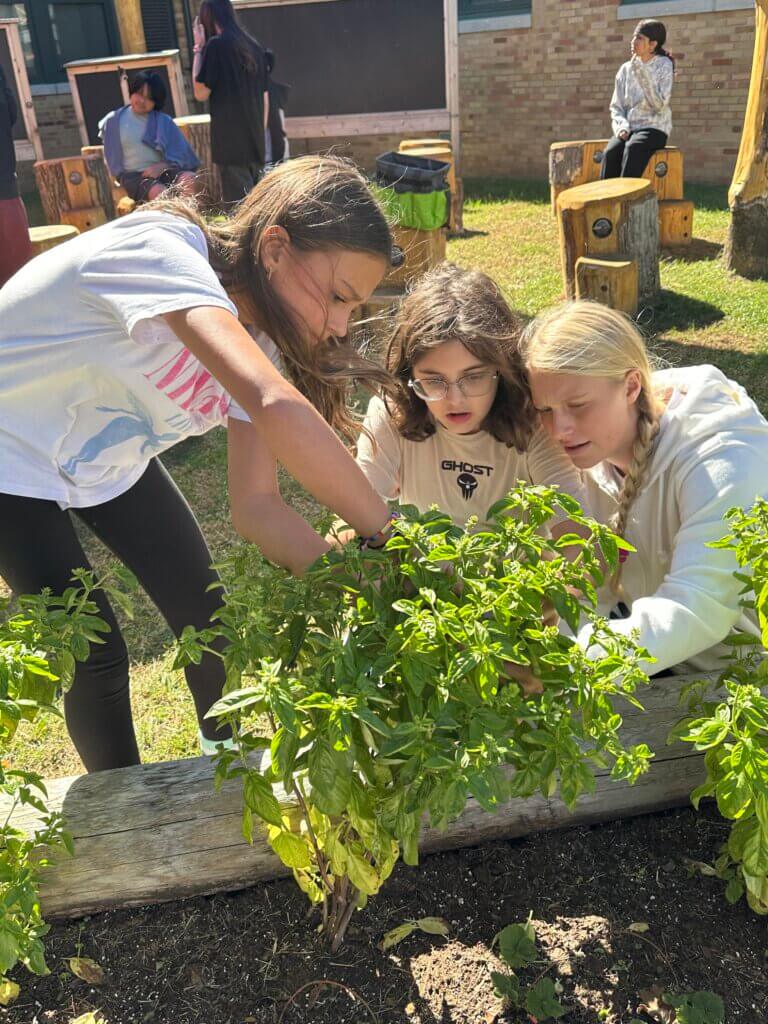
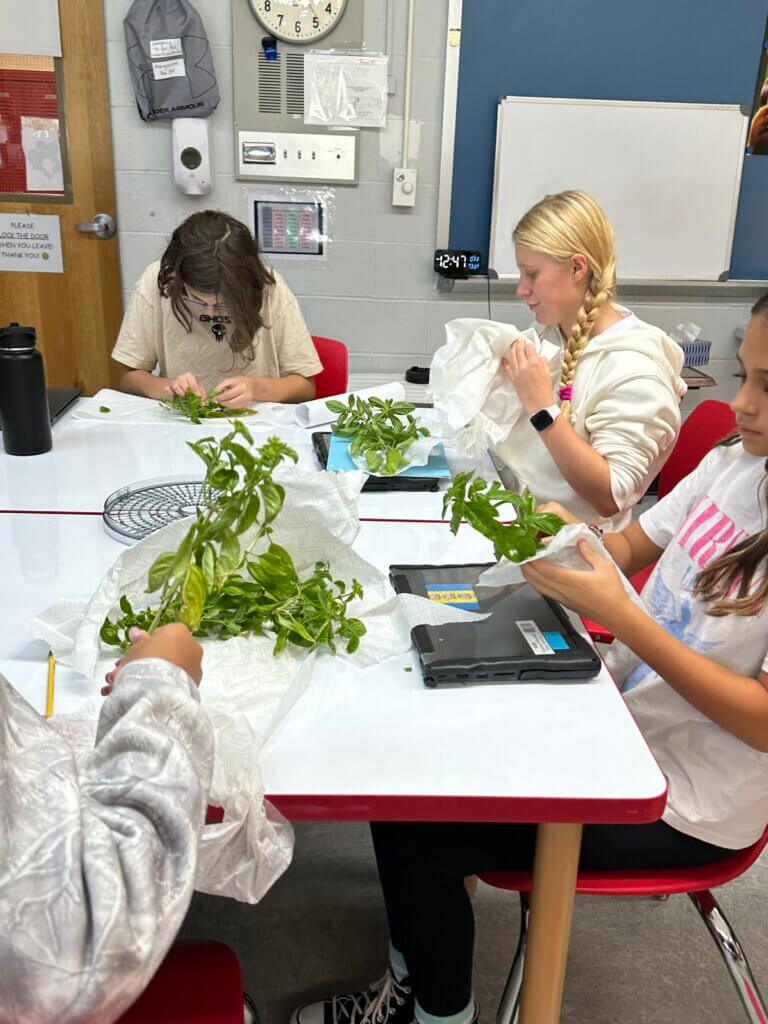
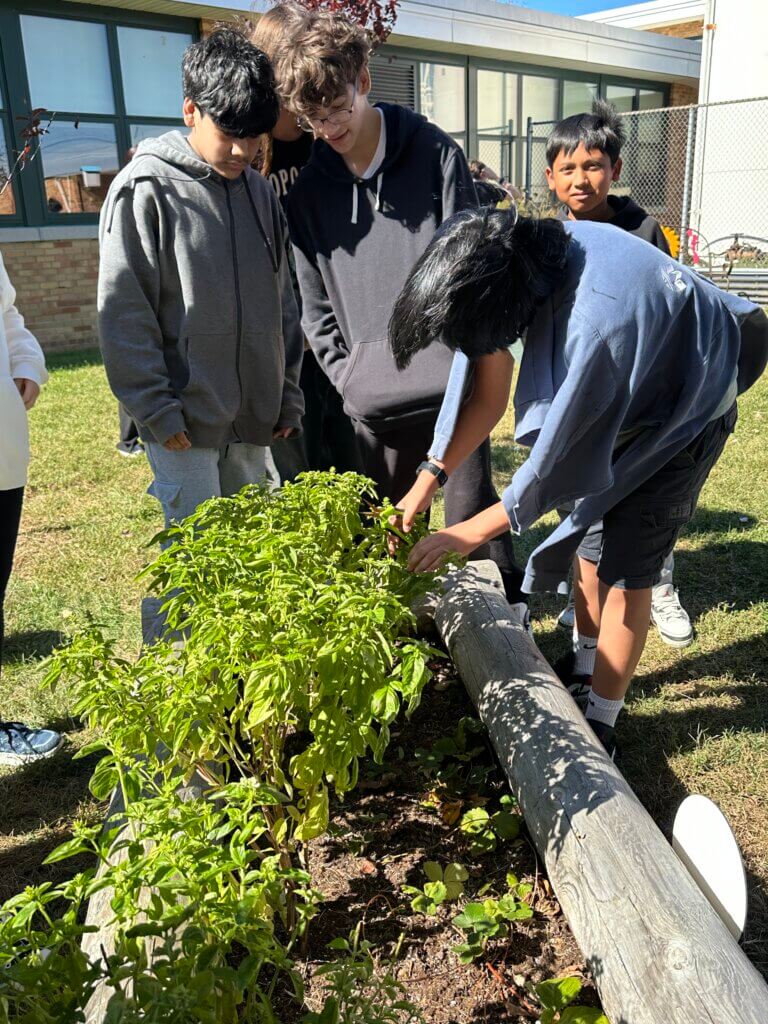
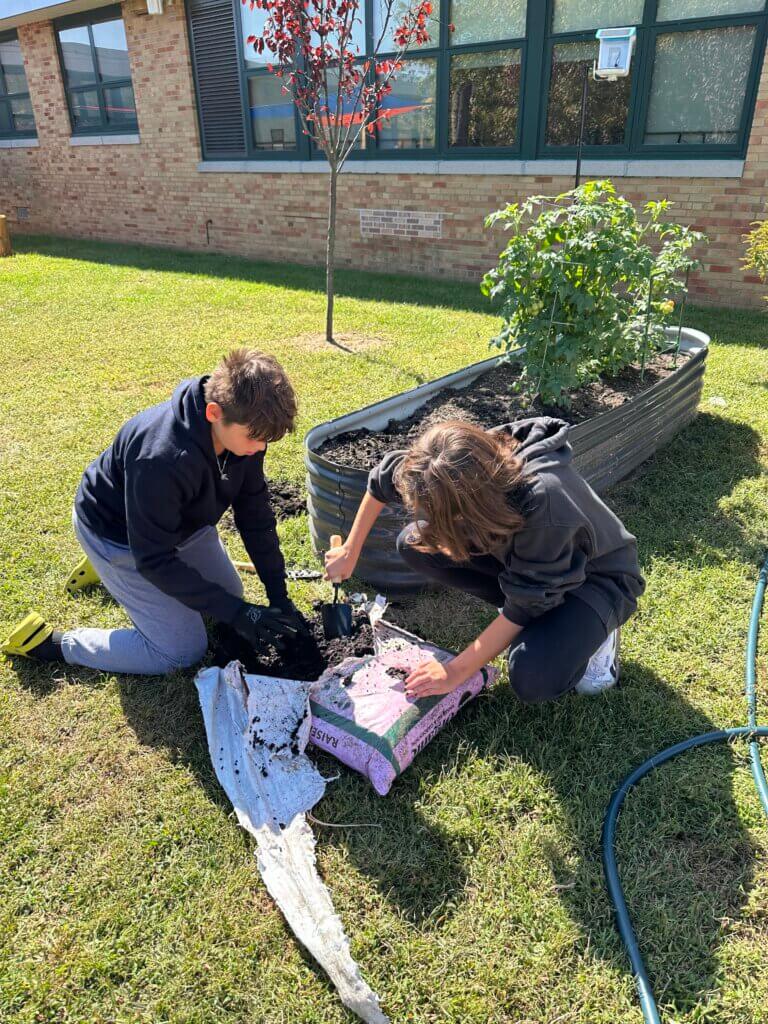
A four-week, hands-on climate-focused Summer program (Red Raider University) served students in grades K–8, organized by grade-level bands and grounded in experiential, outdoor learning. There was student engagement in gardening tasks such as planting, investigating growth patterns, composting, harvesting, and diagnosing plant health using technology tools.
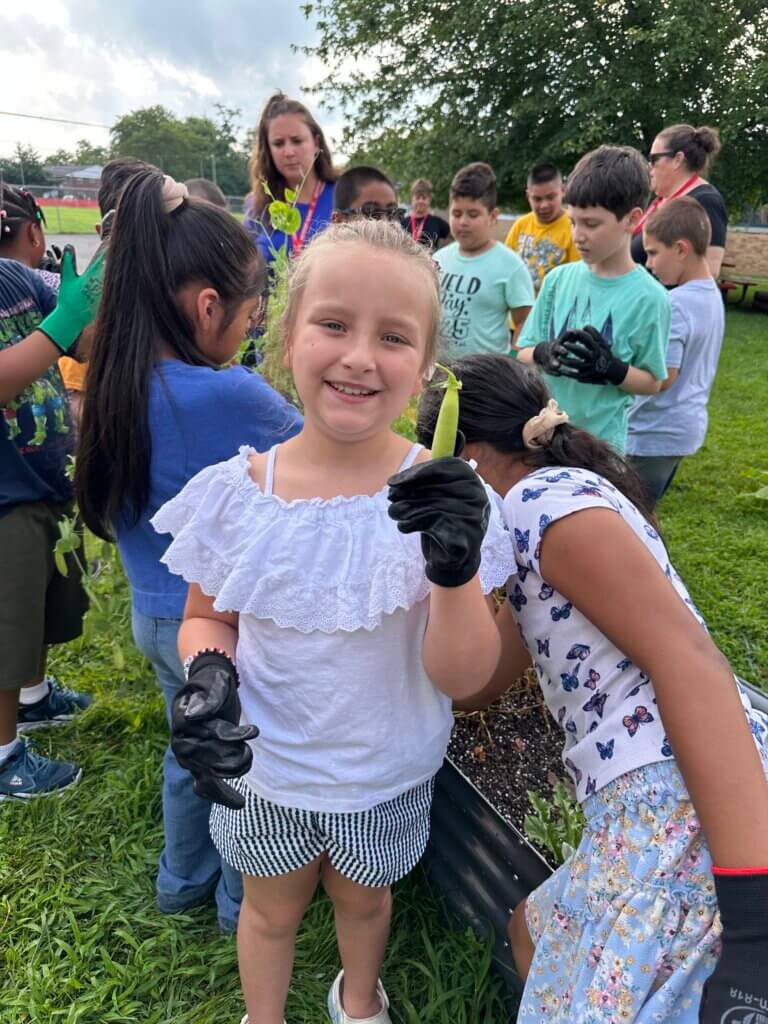
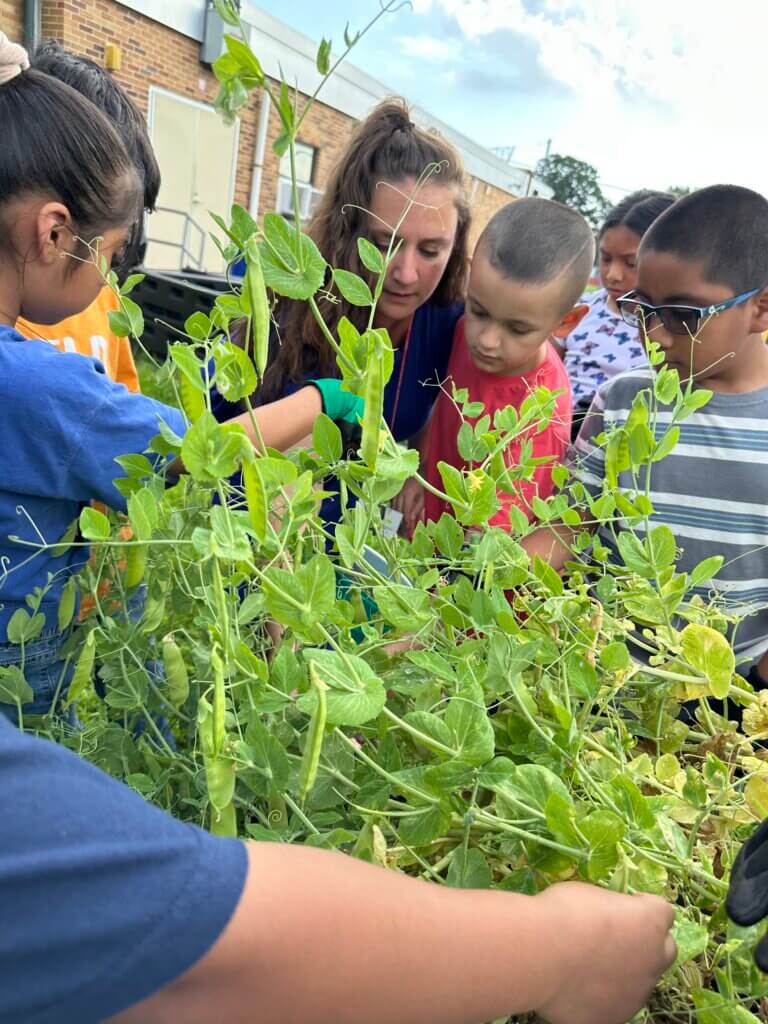
School Garden Harvest
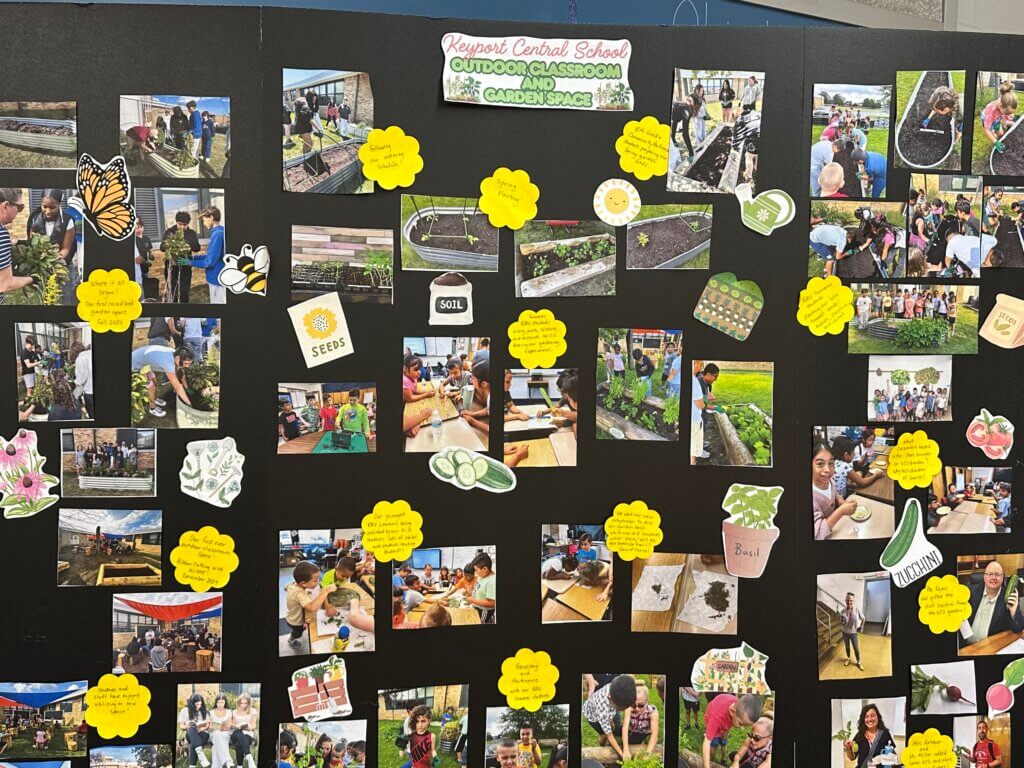
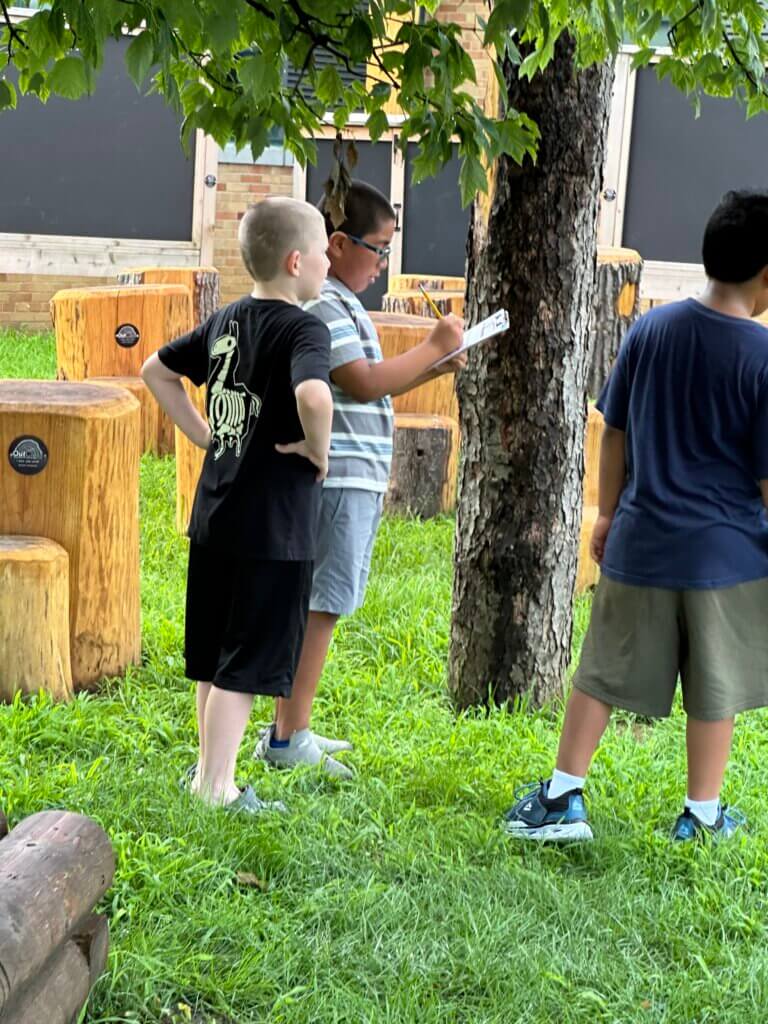
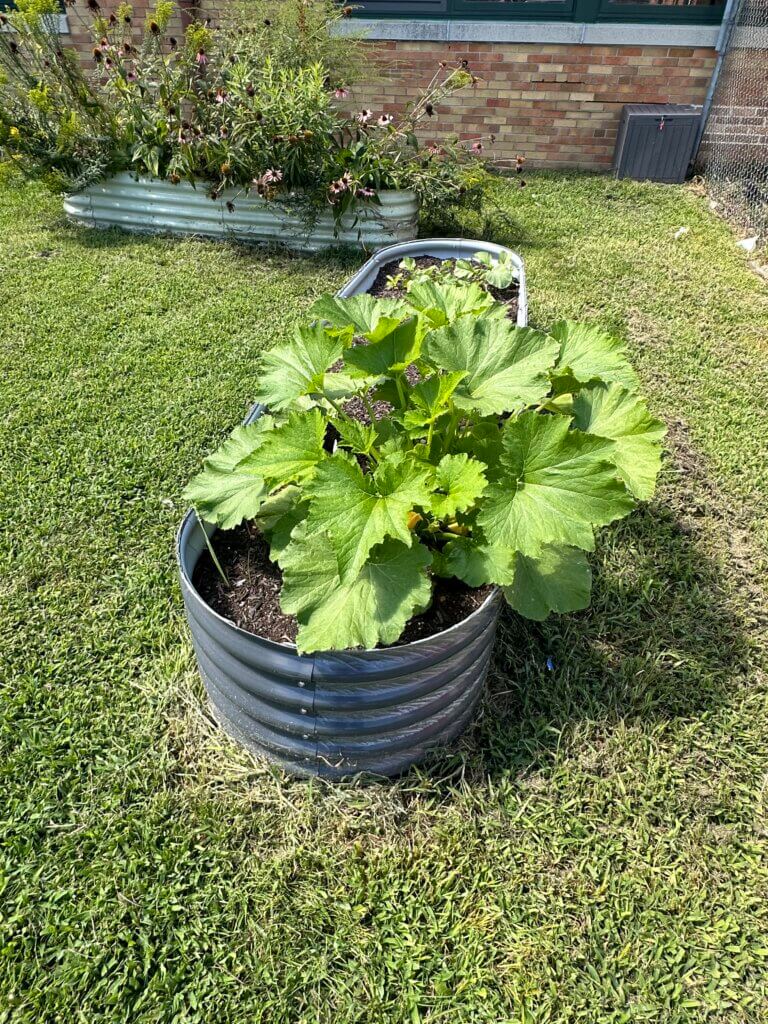
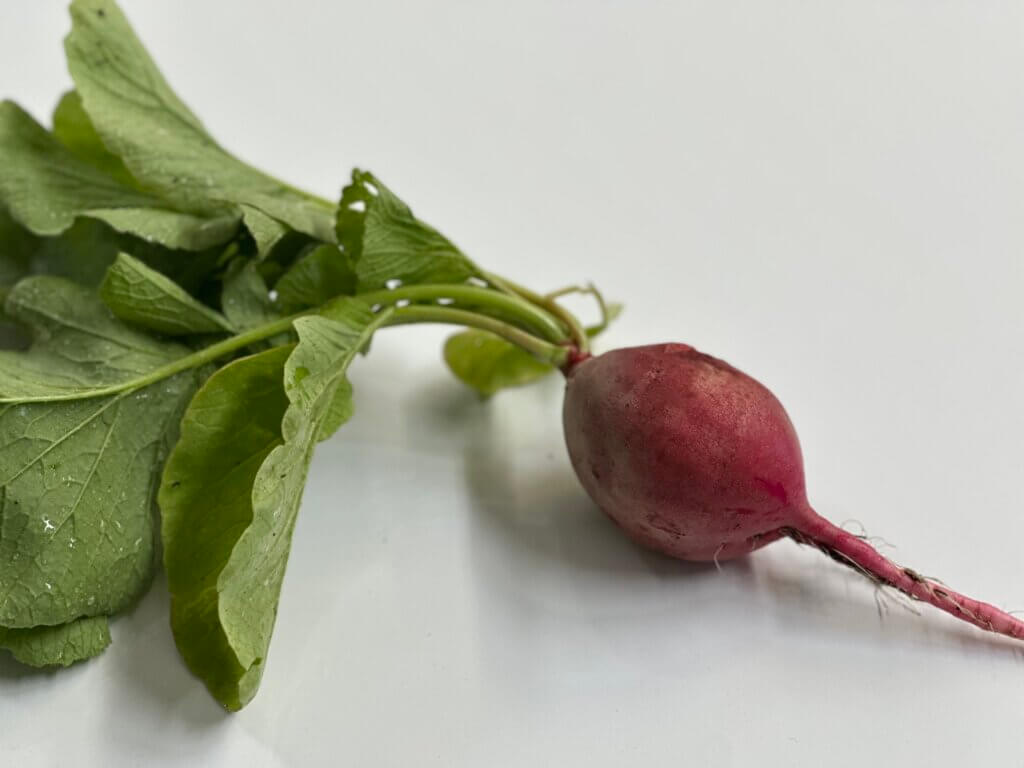
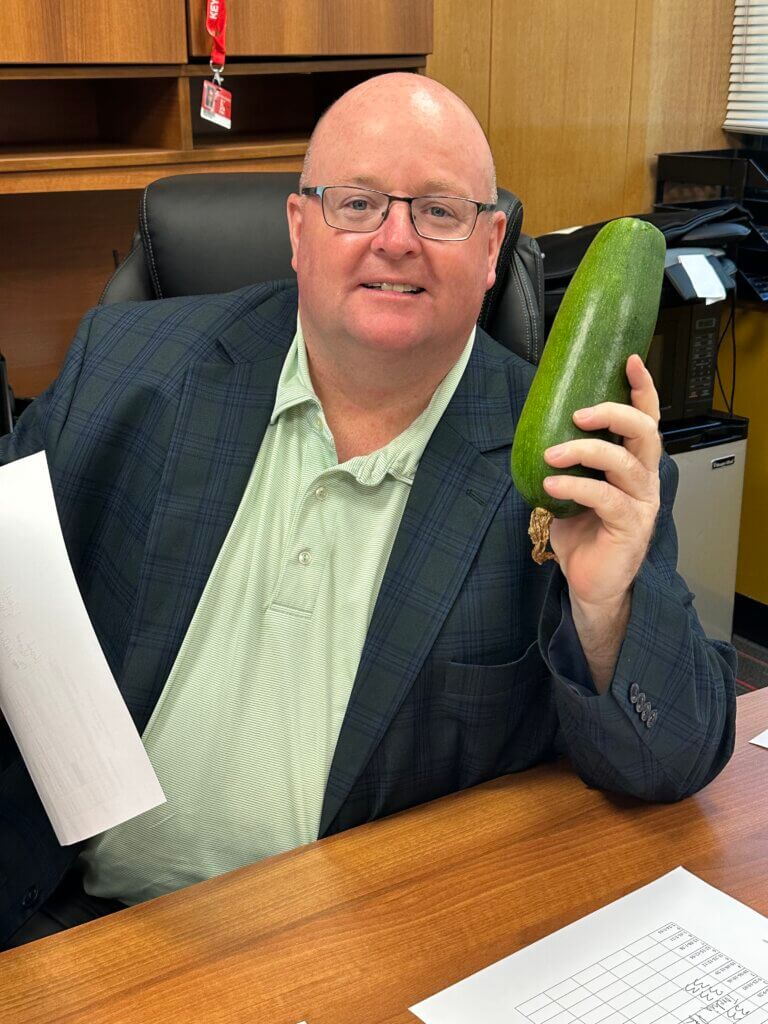
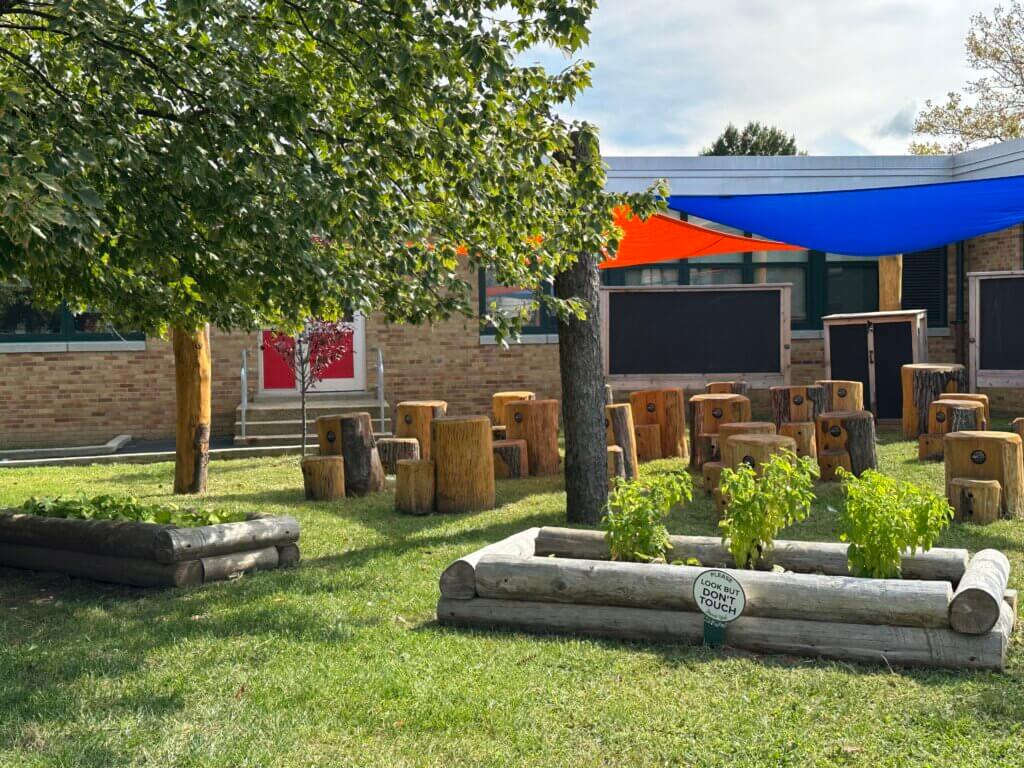
The school continued its expansion and use of their outdoor classroom as a learning space for literacy, science, and community-building, reinforcing the connection between environmental stewardship and student well-being.
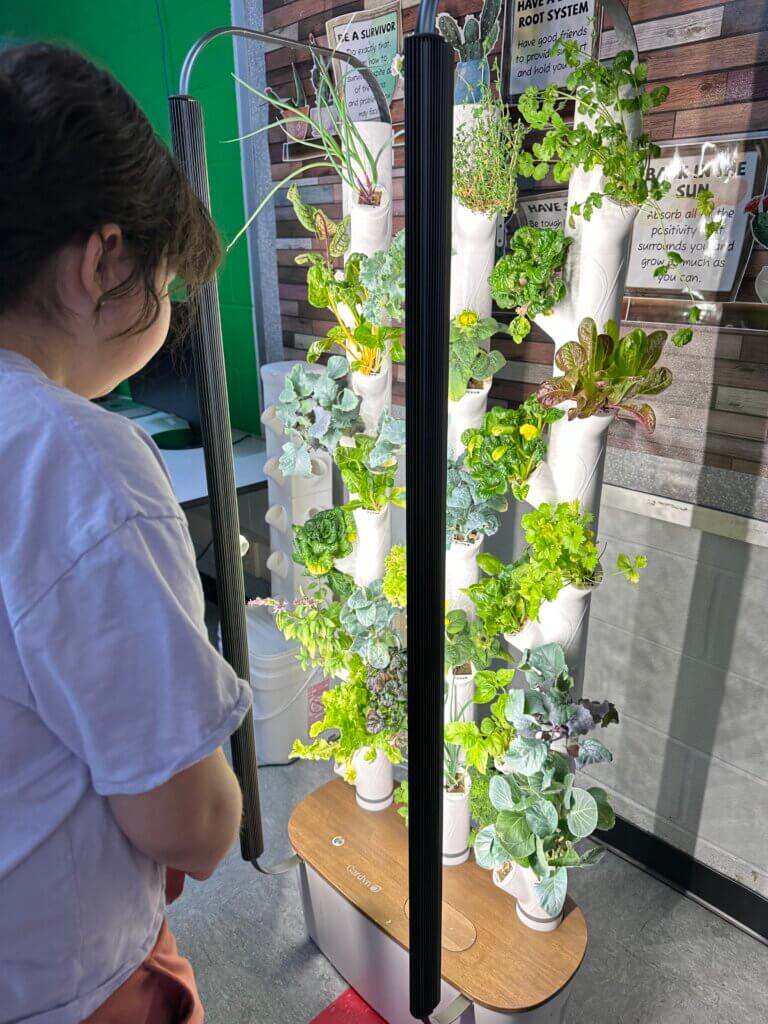
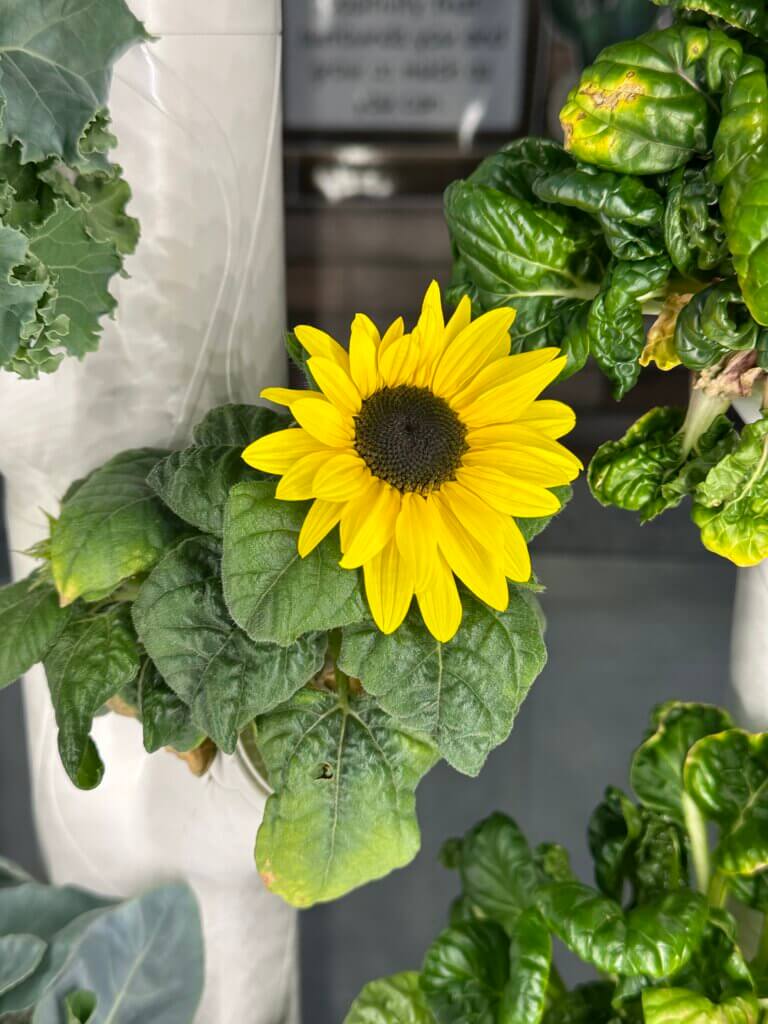
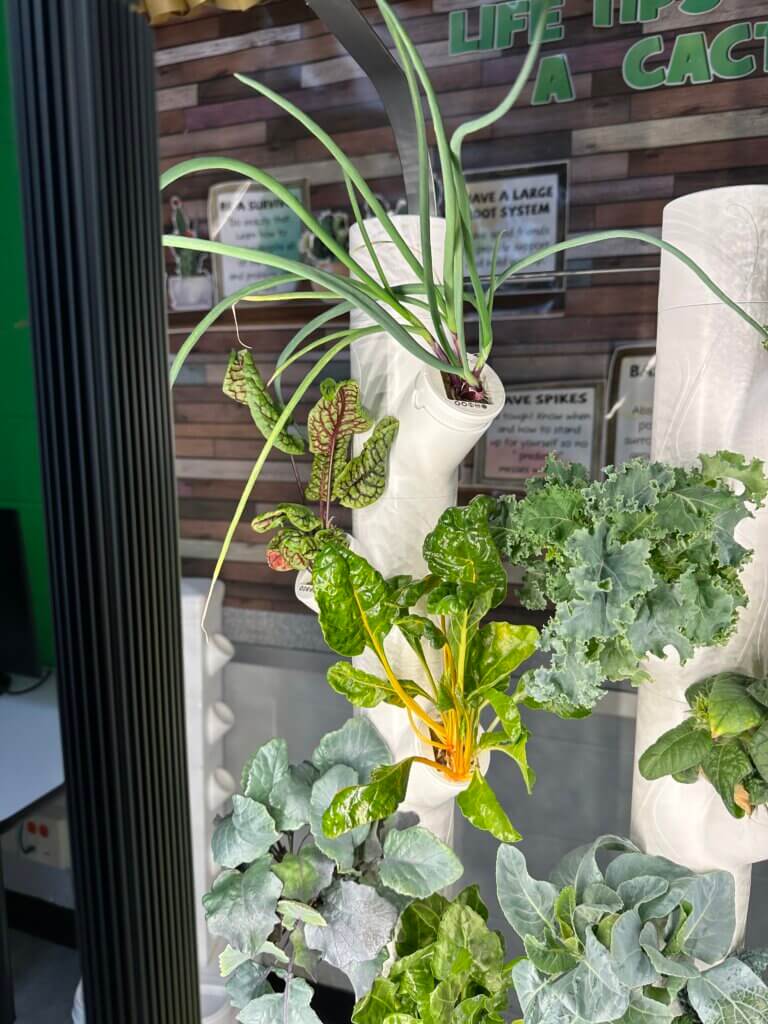
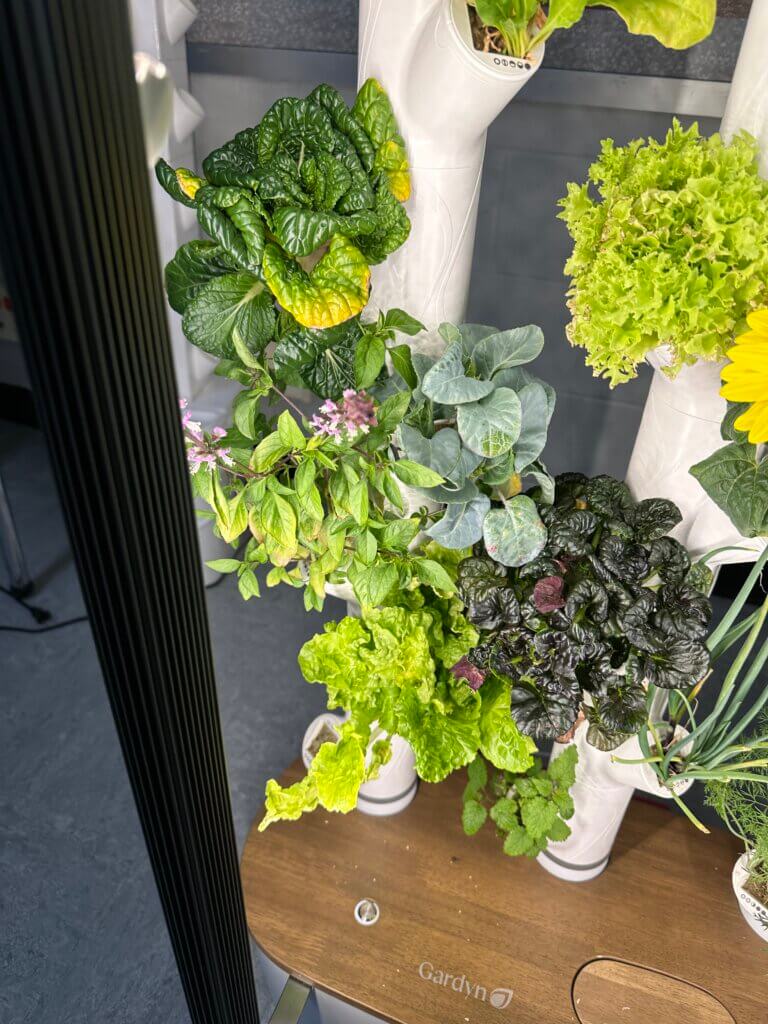
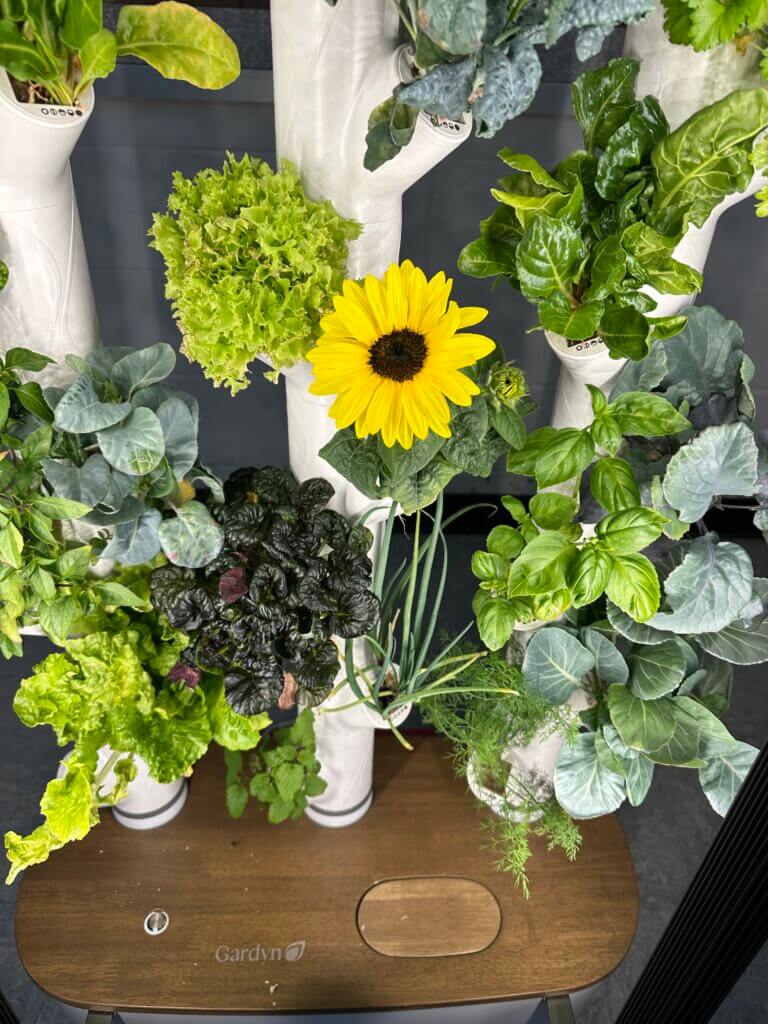
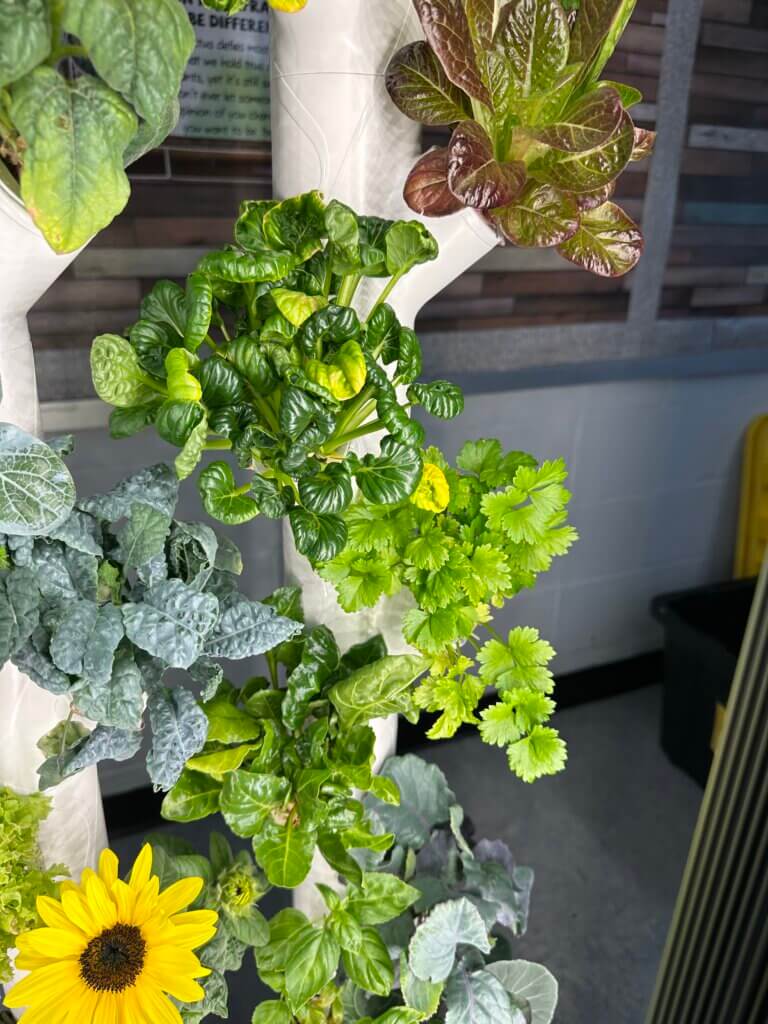
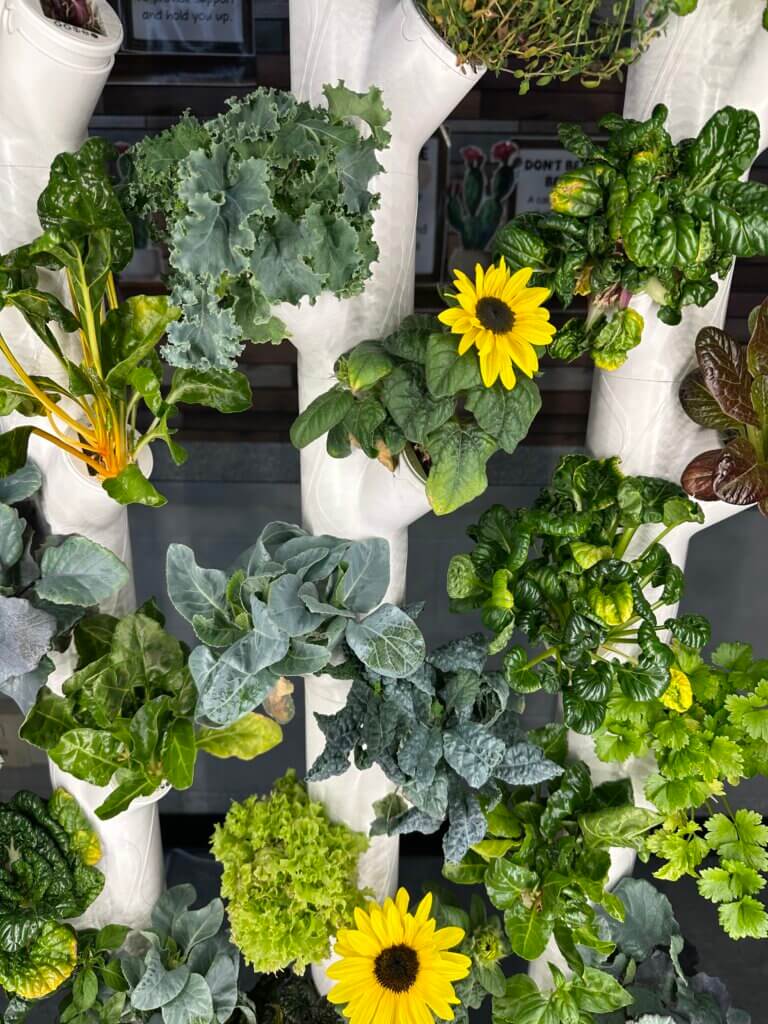
Gardyn Tower
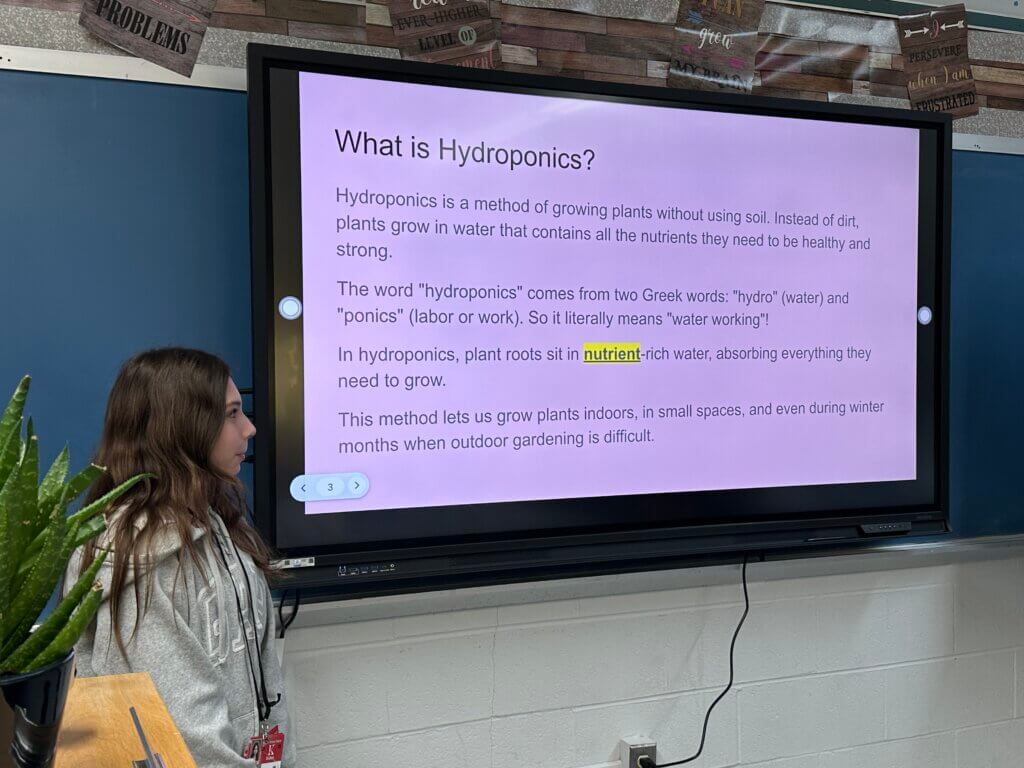
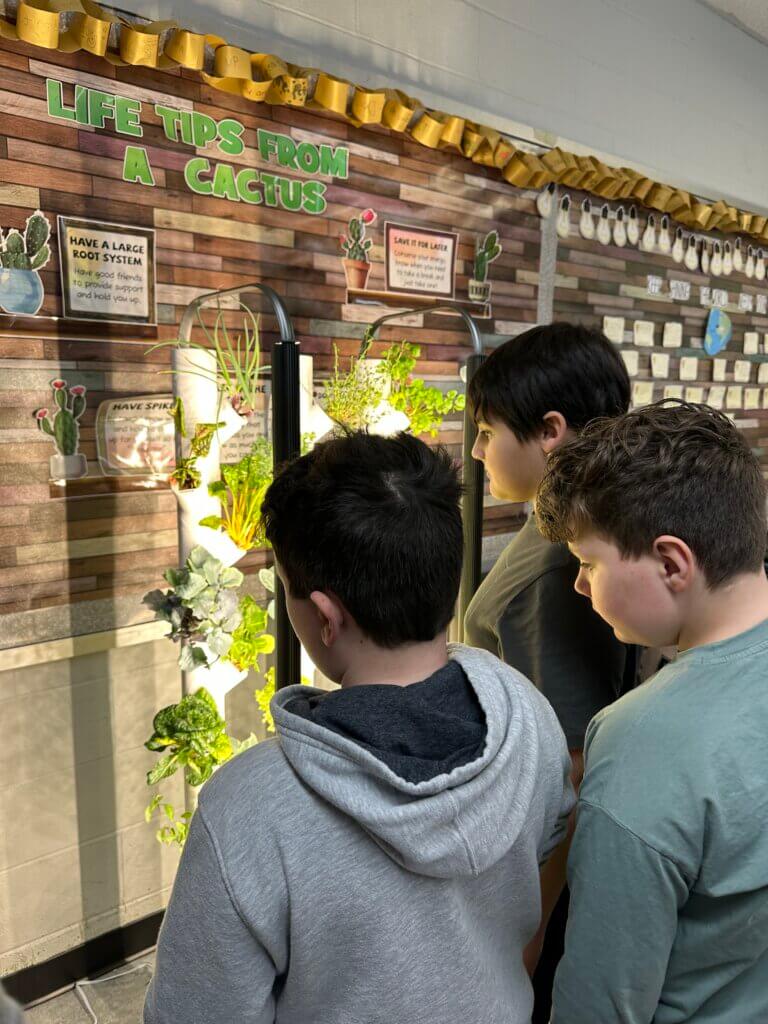
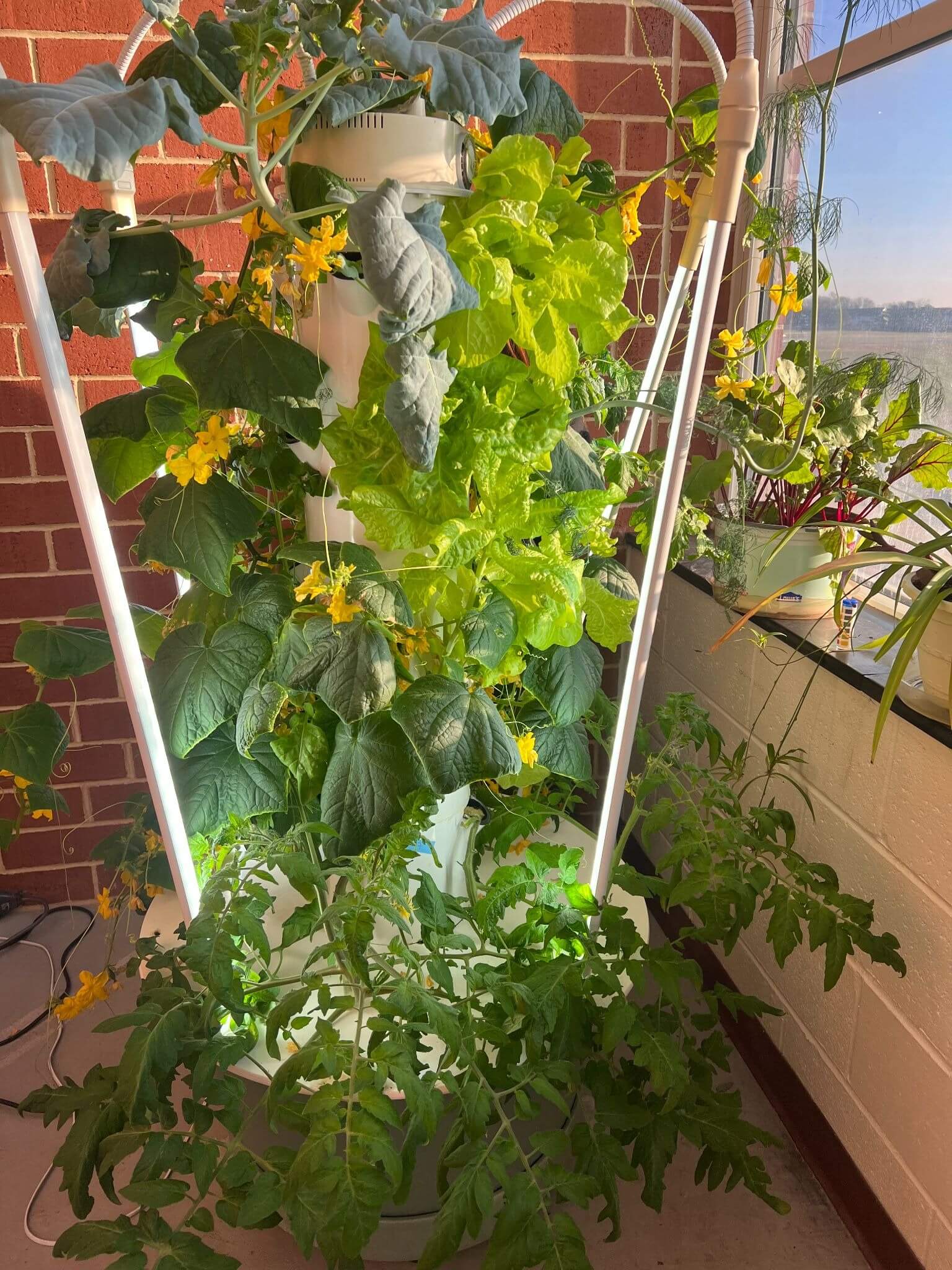
There were many ongoing sustainability efforts during the school year, including student-led harvesting, food sharing with staff and culinary classes, and the launch of indoor hydroponic gardening systems to extend climate learning beyond the growing season.
Visit from NJDOE
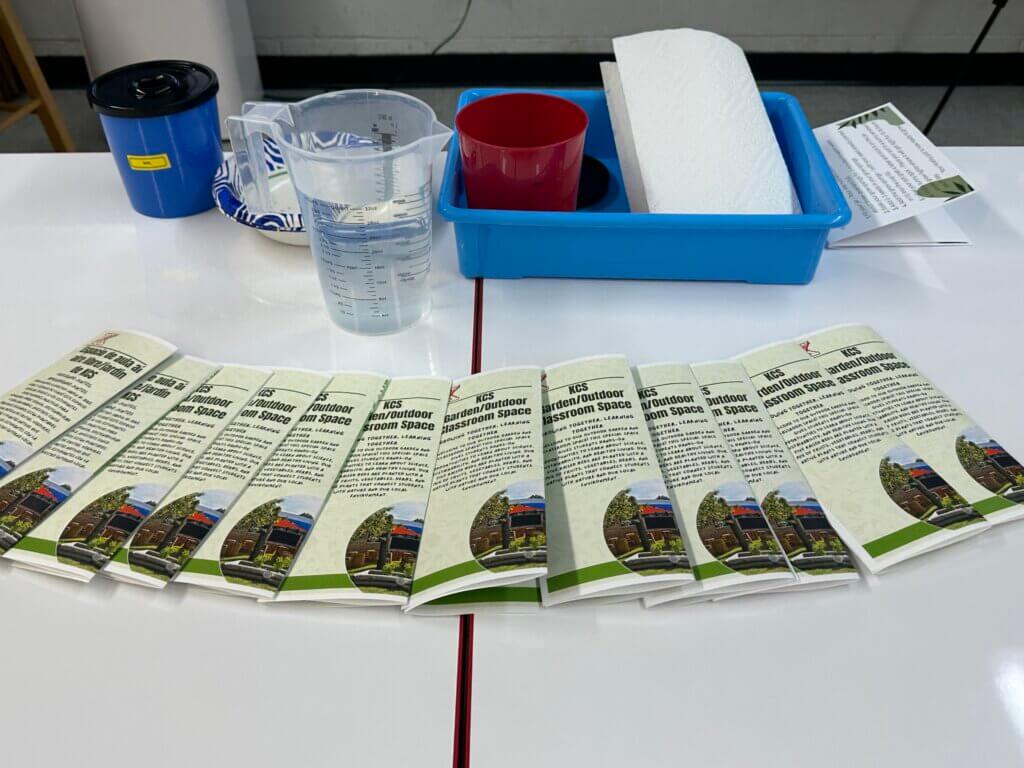
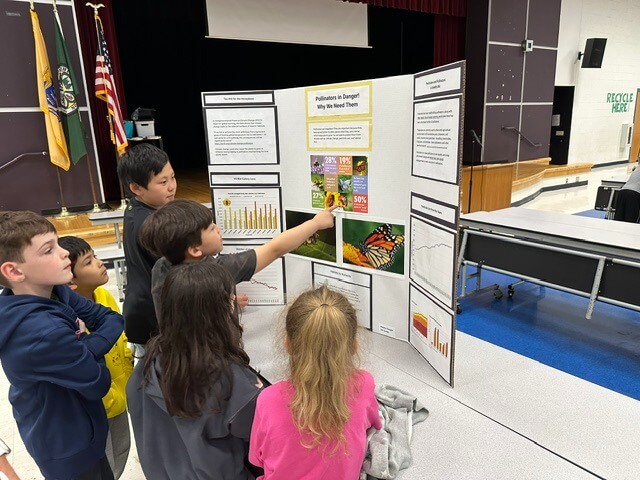
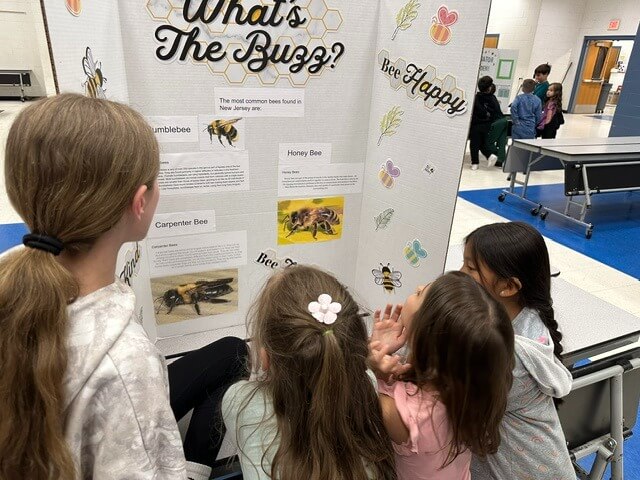
In addition to showcasing the above initiatives, Keyport Public Schools has instructional focus on areas including native species, pollinators, raised-bed gardening, climate change and natural disasters, and sustainability practices connected to real-world applications. They demonstrated their incredible work to the NJDOE this school year!