
Jump To
Program Details
About
- Doctor of Occupational Therapy (OTD)
- Year 1 & 2: In-person
- Year 3: In-person and hybrid
- 105 Credits
- 3 Years – Full-time
Application Deadline
Summer-Start
April 15
Get Started
Overview
Occupational therapists help people of all ages and backgrounds gain independence in their everyday life. An OTD degree prepares you for entry-level practice in an incredibly rewarding and rapidly growing field.
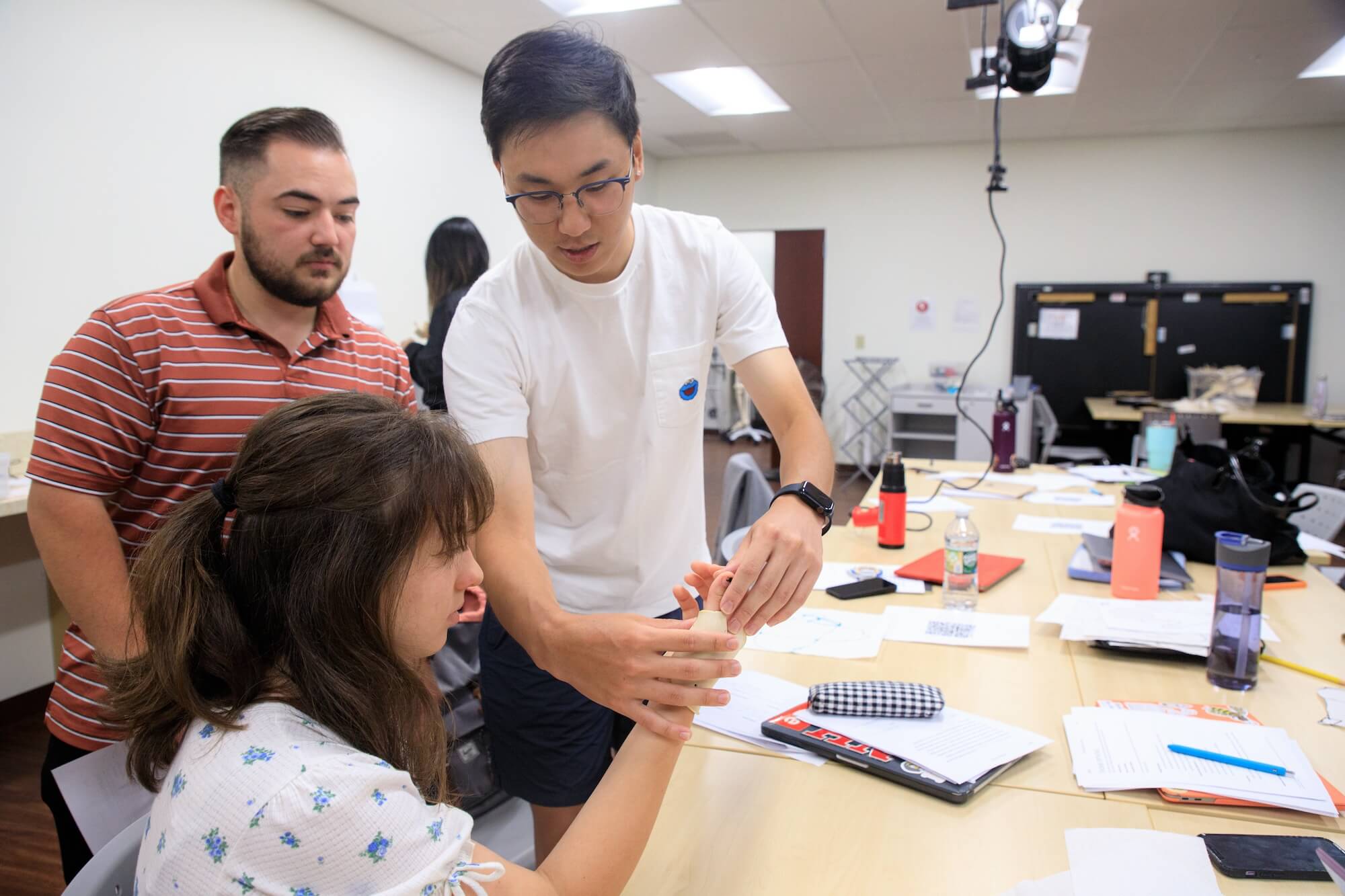
Monmouth University’s doctor of occupational therapy program is rich with real-world learning experiences and opportunities to advance the field through original research. The OTD is a three-year, full-time program requiring 105 credits over nine semesters, including summers. The curriculum consists of traditional and hybrid course offerings in a cohort model with a heavy emphasis on experiential learning and hands-on training, including two, 12-week internships. Our innovative curriculum encompasses coursework and hands-on learning experiences in rehabilitation, health promotion, business, leadership, and global and interprofessional collaboration.
This accredited program prepares you to sit for the National Board for Certification in Occupational Therapy (NBCOT) exam. After board certification, you will be eligible to apply for state licensure.
Mission
The Occupational Therapy Program seeks to develop occupational therapists as transformational leaders, scholars, and advocates, through innovative teaching, immersive experiential learning and dynamic interprofessional community partnerships prepared to meet the needs of diverse people, populations, and communities.
Career Outcomes: Jobs with an OTD
According to the U.S. Bureau of Labor Statistics, the demand for occupational therapists is expected to grow by 11% through 2033, which is much faster than the average for all occupations. In 2025, the median annual salary for occupational therapists was $96,370.
As a new OTD graduate, you’ll be eligible for entry-level positions in a variety of settings, such as:
- Hospitals
- Public and private schools
- Long-term care facilities
- Mental health facilities
- Private Practices
- Home health agencies
With experience, you may be able to advance into specialized roles and leadership positions within organizations of all kinds, from healthcare to academia.
Doctor of Occupational Therapy Degree Requirements
OTD Curriculum
Doctor of occupational therapy courses include a mix of lectures, lab, and fieldwork learning. You’ll take classes such as:
- Occupation and Adaption Across the Lifespan
- The Neuroscience of Occupational Performance
- Mindful Practice and Wellness
- Movement in Occupation
- Principles of Practice IV: Pediatric Occupational Therapy
- Contemporary Issues: School-Based Consultation and Intervention
- Current Issues in Practice: Adulthood and Aging
- Community Living Supports
- Entrepreneurship in Occupational Therapy
- Management and Supervision of Occupational Therapy Services
- Occupational Therapy Approaches to Community and Population Health
Refer to the graduate catalog for full OTD degree requirements, course descriptions, and required sequence.
Fieldwork Experiences
Put learning into action through fieldwork experiences.
- Level I Fieldwork focuses on professional behaviors and refining “soft skills” that are essential to the field. These experiences, which take place on and off campus, include small group exercises, patient simulations, and telehealth activities.
- Level II Fieldwork focuses on developing and practicing the skills of an entry-level occupational therapist in a professional setting.
Learn more about our OTD fieldwork experiences.
Doctoral Capstone Experience
The doctoral capstone is the culmination of your experience in the OTD program at Monmouth. You’ll work with your faculty mentor and capstone coordinator to develop a scholarly, evidence-based project that aligns with your 14-week Doctoral Capstone Experience and your professional goals. You’ll prepare for this research-rich endeavor throughout the program with classes such as:
- Research for Evidence-Based Practice
- Quantitative Methods in Occupational Therapy Research
- Qualitative and Mixed Methods in Occupational Therapy
- Mentored Scholarship
- Professional Portfolio/Capstone Project I, II, III, and IV
During your final semester, you’ll present your capstone to your peers, faculty members, and the broader OT community at Monmouth. Learn more about the OTD capstone.
OTD Admissions Requirements
Here’s an overview of the admissions requirements and application process for our OTD program.
Application Criteria & Requirements
To apply to Monmouth’s Doctor of Occupational Therapy program, you can submit an application online through the Occupational Therapy Centralized Application System (OTCAS).
Post-Baccalaureate Entry Admission Requirements
The post-baccalaureate program allows for students to enter the program after completing their undergraduate degree program.
Applicants are evaluated for admission based on academic preparation; quality of references; insightful goals in personal statement; successful completion of observation hours and academic prerequisites; work and service activities.
To be considered for admission:
- Bachelor’s Degree – A bachelor’s degree (or US equivalent) must be completed at the time of application or completed by the time the program begins. A degree in any area of study will be accepted.
- Observation Hours – 60 hours of observation in a minimum of two practice settings must be completed prior to admission to the program. Examples of settings are: adults, geriatrics, pediatric, wellness, LTC, hospitals, community centers, primary care, etc. An OT Observation Form will be provided to complete for each site observed.
- GPA – At least a 3.0 cumulative GPA as well as in the prerequisite courses. (Note: All completed courses will be used in the GPA calculated by OTCAS.)
- Criminal Background Check – Required of all admitted students. Must have prior to first day of class.
Your application must also include:
- Quality References – Three references are required, with at least one from a healthcare professional. When submitting a letter of recommendation from a healthcare professional (required), applicants are strongly encouraged to submit a letter from a rehabilitation professional, such as an occupational therapy practitioner, physical therapy practitioner, or speech-language pathologist. Examples of other letters of recommendation include academic advisors, work managers, and any professional who may highlight your strengths as a future occupational therapist.
- Writing Sample – Your responses to the questions available in OTCAS.
- Technical Standards – Occupational Therapy Program Essential Skills and Standards Acknowledgement
- The application process also requires an interview with the admissions committee.
The following prerequisite courses must also be completed before matriculation with a B- or better and applicants must have a minimum prerequisite GPA of a 3.0 or better:
- Anatomy and Physiology I with Lab (4 credits)
- Anatomy and Physiology II with Lab (4 credits)
- Lifespan or Human Development OR three courses to include Childhood, Adolescent and Adult Development OR courses that cover the Lifespan Development (3 credits)
- Abnormal Psychology (3 credits)
- Statistics (3 credits)
- English Composition or Technical Writing (3 credits)
- Humanities (i.e. sociology, anthropology, psychology etc.) (3 credits)
**All courses must be completed within five years of application to the program. If any prerequisite course requirement does not meet the 5-year completion time frame, the application will be reviewed by the OT admissions team to determine eligibility.
Students can indicate their plan for completing any outstanding prerequisites using the OT Prerequisite Course Completion Plan below.
Fieldwork Requirements
The following items will be required to complete fieldwork and capstone components of the OTD curriculum. Compliance for these items will be discussed in new student orientation.
- Physician’s Clearance
- Physical Evaluation
- Tuberculosis Testing
- 2-Step PPD/TB- QuantiFERON Gold/T-SPOT (2 step for the first year)
- FBI Fingerprinting
- Annual Training Certificates (HIPAA & OSHA)
- CPR Certification
- Flu Vaccination
- Immunizations (proof of vaccination and/or titers)
- Measles, Mumps, Rubella (MMR)
- Hepatitis
- Varicella
- Tetanus, diphtheria and pertussis (Tdap)
- Influenza (annual)
- Medical Insurance
Additional vaccinations may be required for specific clinical placements.
Technology Competency Requirements
Technology Requirements
The OTD program requires students to have access to personal technology such as a laptop computer, tablet, or PC throughout the duration of the program as well as a working webcam during the hybrid/online courses. Students should reference our Campus Technology Website for detailed suggestions before purchase.
Technology Competency Requirements
The Monmouth OTD program requires completion of coursework in a predominantly traditional week day. However, there are a few courses that are delivered in hybrid/online format. Success in both the online and in person portions of the program requires students to have the ability to navigate the College’s learning management system (eCampus), manage electronic communications, utilize research and information databases, and apply software. Online courses may consist of a combination of scheduled synchronous and asynchronous learning activities; synchronous sessions will require use of the Zoom platform. In person courses will maximize the use of technology with no seat time reduction, using the eCampus learning management system for administration, communication, assessment and content delivery to both supplement and enhance the face to face experience. Prior to starting coursework, all students will be required to complete an online orientation through eCampus that will prepare them to meet the technology requirements of the online portions of the program. Additionally, students will have ongoing access to the Help Desk to manage questions or concerns with technology while in the program.
Accreditation
An ACOTE-Accredited Program
The entry-level occupational therapy doctoral degree program is accredited by the Accreditation Council for Occupational Therapy Education (ACOTE) of the American Occupational Therapy Association (AOTA), located at 6116 Executive Boulevard, Suite 200, North Bethesda, MD 20852-4929. ACOTE’s telephone number c/o AOTA is (301) 652-AOTA and its web address is www.acoteonline.org. Graduates of the program will be eligible to sit for the national certification examination for the occupational therapist administered by the National Board for Certification in Occupational Therapy (NBCOT). After successful completion of this exam, the individual will be an Occupational Therapist, Registered (OTR). In addition, all states require licensure in order to practice; however, state licenses are usually based on the results of the NBCOT Certification Examination. Note that a felony conviction may affect a graduate’s ability to sit for the NBCOT certification examination or attain state licensure. Learn more at acoteonline.org.
OTD Graduation Rates
Graduation Rates
| OTD Class Year of Entry | OTD Graduating Year | Number Entered Program | Number of Program Graduates | Graduation Rate* |
|---|---|---|---|---|
| 2021 | Class of 2024** | 25 | 21 | 100%* |
| 2022 | Class of 2025 | 20 | 17 | 94.4%* |
| 2023 | Class of 2026 | 11 | – | |
| 2024 | Class of 2027 | 13 | – | |
| 2025 | Class of 2028 | 21 | – |
**Class of 2024 first OTD graduating class
*Graduation Rate Calculation
The number of students who graduate on time (G1) divided by the number of students admitted in the original cohort (G2) minus the number of students who withdrew due to military, health, family issues, death and other reasons not related to academic and clinical performance (G3). Calculation per calendar year is = (G1 / (G2 – G3).
Why Monmouth for Your OTD?
State-of-the-Art Labs
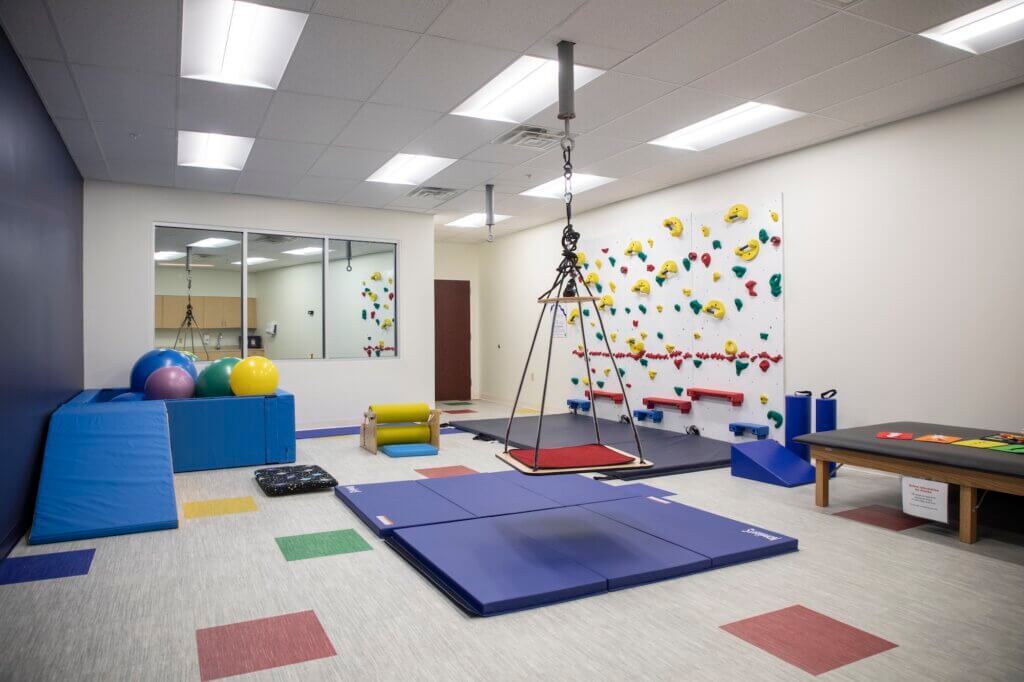
Gain hands-on experience in learning spaces like our pediatric lab, multi-sensory environment, and on-site state of the art simulation lab.
Research Opportunities
Work closely with a faculty mentor to design a capstone project based on your career interests and goals.
Fieldwork Experience
Build clinical skills in professional OT settings and make industry connections along the way.

Tuition & Financial Aid
There are several options to help fund your doctor of occupational therapy degree, including Global and Community Practice scholarships.
State-of-the-Art Occupational Therapy Labs
Our modern labs replicate professional OT environments. You’ll gain close hands-on instruction and work in small groups in dedicated labs for pediatrics, telehealth, daily activities, and multi-sensory environments.

Other OTD Pathways at Monmouth
Monmouth University’s 3+3 B.S./OTD accelerated program allows for students to enter into Monmouth University as an undergraduate student and complete their B.S. and OTD degrees in six years.
Testimonial
“As a graduate of Monmouth University’s inaugural Doctor of Occupational Therapy cohort, I can confidently say the program played a pivotal role in shaping my career. The hands-on clinical experiences and personalized mentorship prepared me to enter the world of outpatient orthopedic occupational therapy, where I now work and truly love what I do.”
Joseph Motto
Occupational Therapy Faculty & Staff
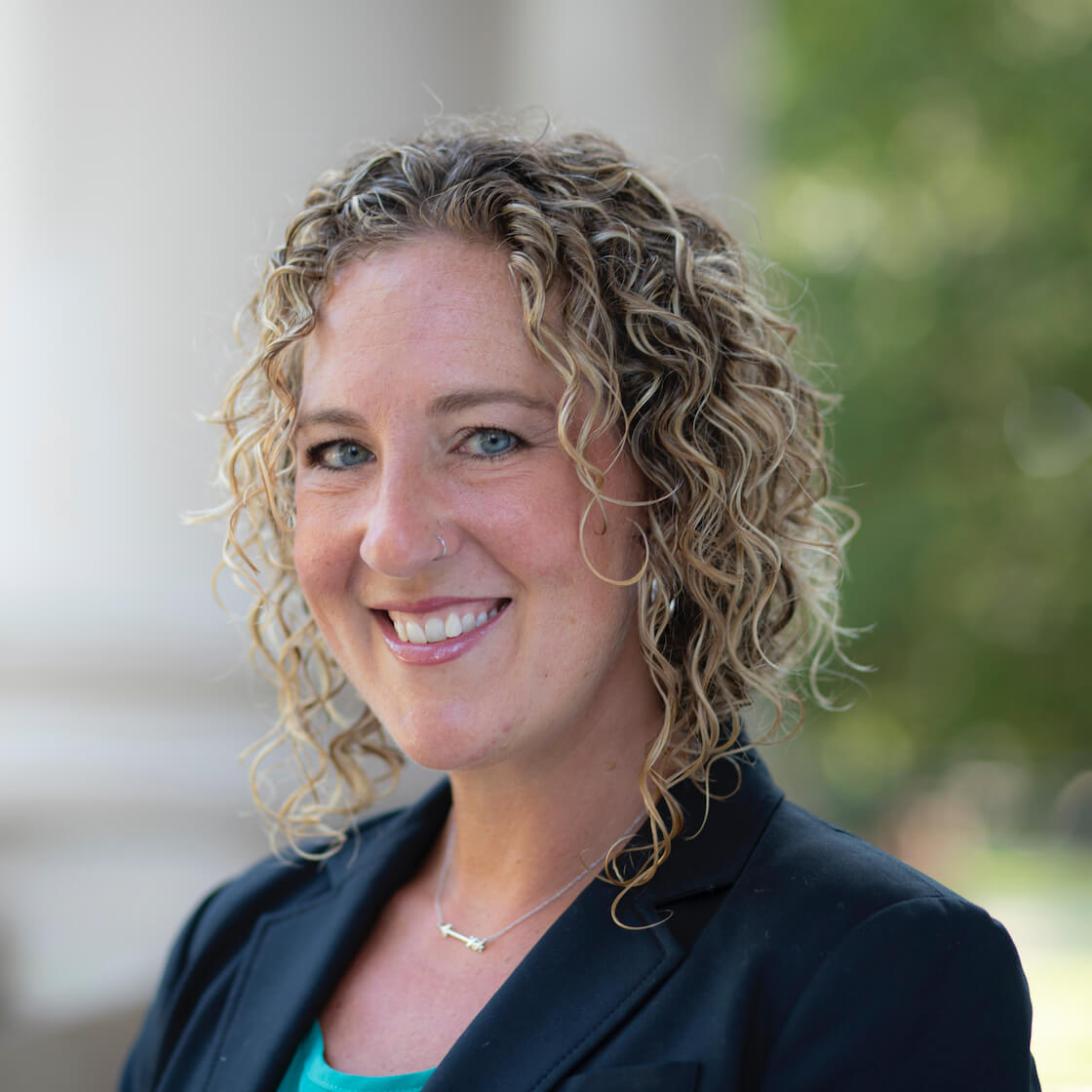
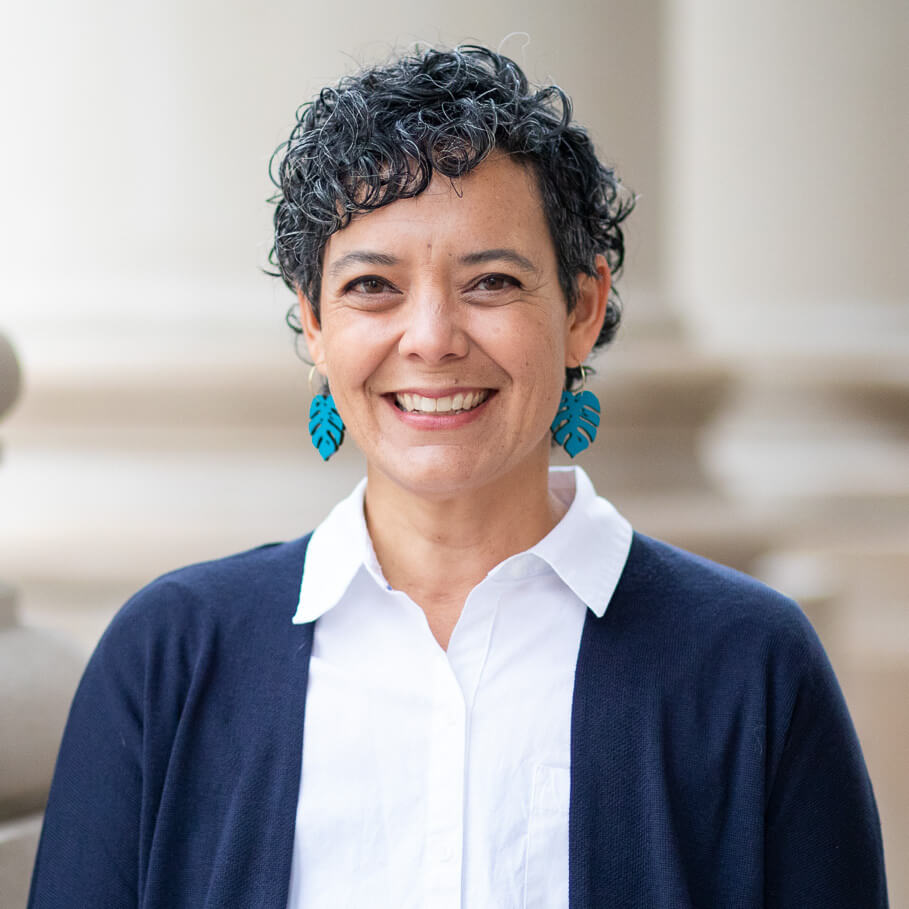
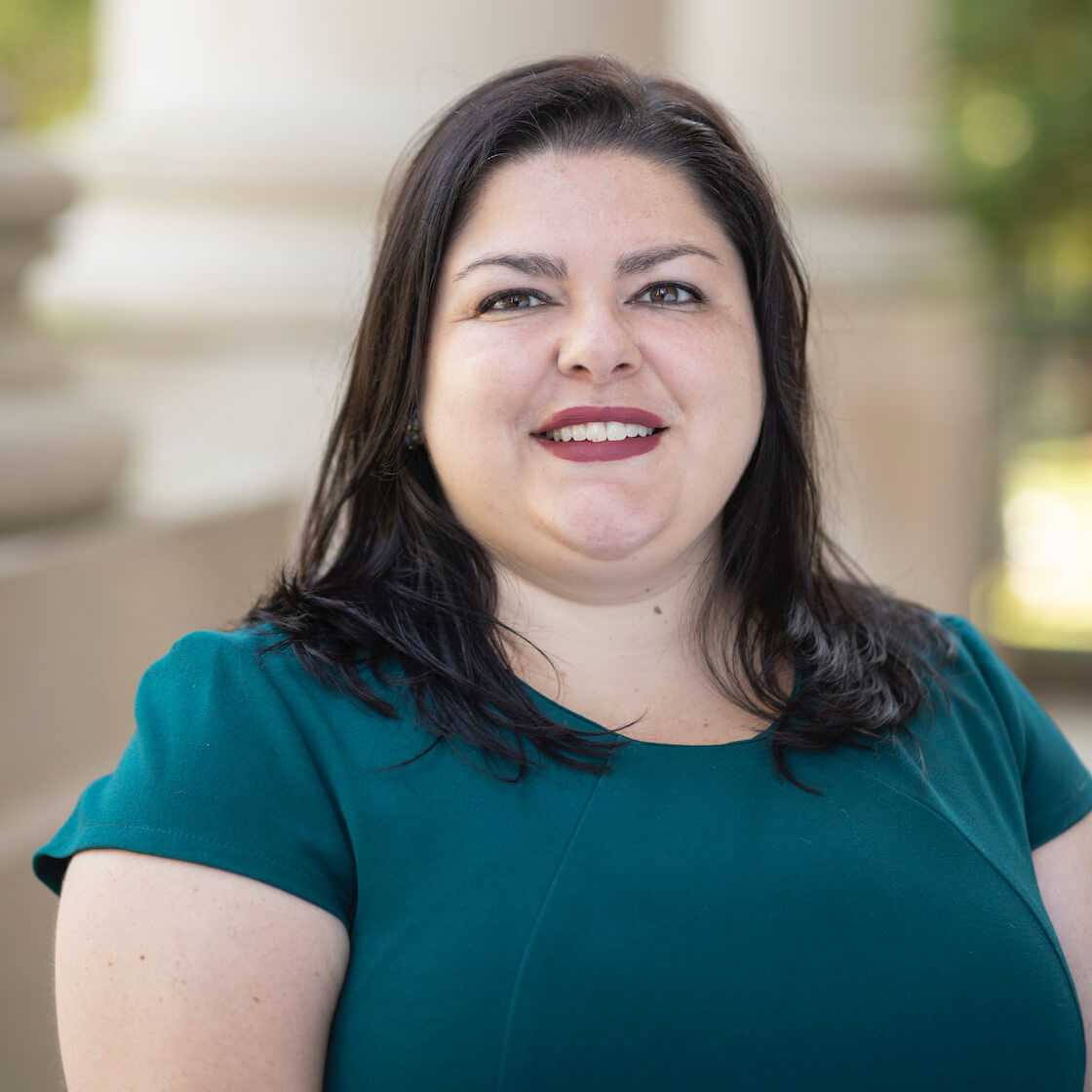
Our OTD faculty and staff includes dedicated scholars and practicing occupational therapists. Their research and professional interests include aging in place, community aging, autism spectrum disorder, sleep, student resilience, health and wellness, and international practice.
Acting Program Director
Kellianne Arnella
Adjunct
Allisen Ayuso
Clinical Affiliate Faculty

Denise Crowley, OTD, OTR/L, BCG
Specialist Professor
Alysson Goodwin, Ph.D., MBA, OTR/L
Specialist Professor
Gabrielle Hackenberg, OTD, MS, OTR/L
Academic Fieldwork Coordinator/Specialist Professor

Nicole Halliwell, DSc., OTR/L
Assistant Professor
Alyssa Marsh
Adjunct
Christine Mueller
Adjunct
Joseph Nesser
Clinical Affiliate Faculty
Haim Nesser
Clinical Affiliate Faculty

John Patro Jr. , OTD, OTR/L
Associate Professor
Nicole Signore
Clinical Affiliate Faculty

Kelsey Simonson
Adjunct
Take the Next Step
Apply Now
Ready to apply to Monmouth’s OTD degree program? Start your application today.