By Mary Lou Pardey, UCI Communications Assistant
The Monmouth University School of Science and Rumson kicked off the Two River Seminar Series with “Our Watershed as a Living Laboratory” on Sept. 26. Community members joined School of Science and Urban Coast Institute faculty and students for an interactive evening discussion of historic and emerging research questions centered on the Navesink and Shrewsbury rivers.
 Dr. Jason Adolf, endowed professor of marine science, stressed that “hands-on science is absolutely crucial for emerging scientists,” such as the students from the university and local schools who are now researching the rivers. Throughout the evening, the panelists detailed some of Monmouth’s student and faculty efforts to study the intricacies of the area’s waterways.
Adolf and fellow speakers John Tiedemann, assistant dean of the School of Science, and Thomas Herrington, UCI associate director, noted that the university is a frequent research collaborator with the New Jersey Department of Environmental Protection, the federal government, NGOs and other organizations with an interest in the watershed’s health. During the question and answer session, residents shed light on potential new research topics for the upcoming summer. See additional photos from the evening.
The Two River Seminar Series resumes on Oct. 24 with “Rivers Alive: Wildlife Habitats of the Two River System,” featuring three speakers from the School of Science’s Marine and Environmental Biology and Policy Program. Scheduled speakers and topics include: Dr. Pedram Daneshgar, on wetlands and shallow water habitats; Dr. Keith Dunton, on fishery resources; and Dr. Sean Sterrett, on reptiles and amphibians.
The event will be held at Bingham Hall, located at 40 Bingham Ave. in Rumson. There is no cost to attend.
The Two River Seminar Series is part of a broader educational collaboration between Rumson and Monmouth. Plans are underway to develop a Monmouth Marine and Environmental Field Station on municipal property located behind Borough Hall on the Navesink River. With an array of classrooms, laboratories and meeting spaces, the field station will provide a waterfront location for educational programs and facilitate research opportunities for Monmouth University students, alongside K-12 students from the Rumson School District and surrounding communities.
For more information, contact Karl Vilacoba at kvilacob@monmouth.edu or (732) 571-3688.

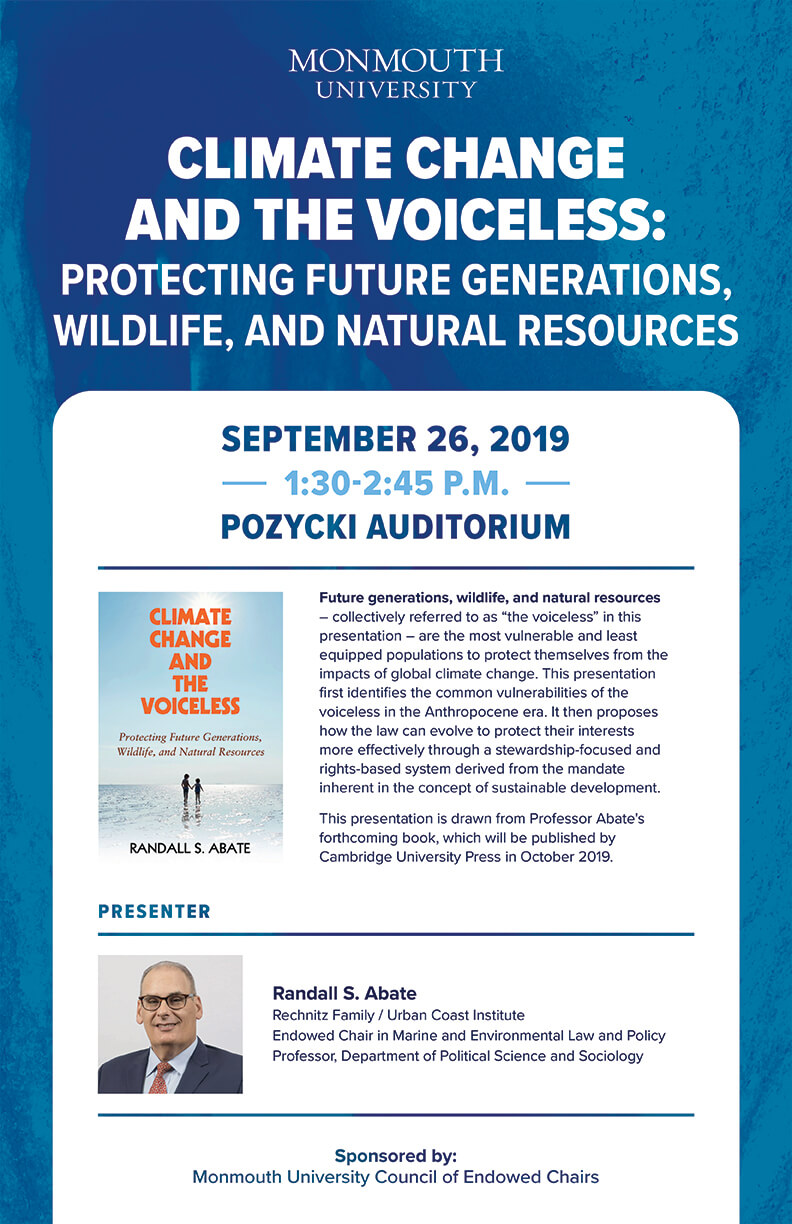
 Randall S. Abate, professor in the Department of Political Science and Sociology and Rechnitz Family/Urban Coast Institute Endowed Chair in Marine and Environmental Law and Policy, delivered the first of this year’s endowed chairs lecture series entitled, “Climate Change and the Voiceless: Protecting Future Generations, Wildlife, and Natural Resources.”
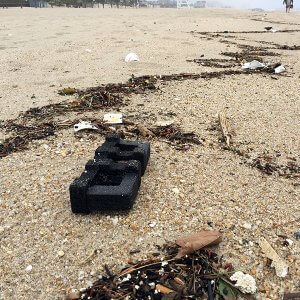 Most New Jerseyans initially support a single-use plastic bag ban, but many back away from that support when considering the impact on consumer shopping habits, according to a Monmouth University Poll conducted in partnership with the Urban Coast Institute (UCI). The vast majority of Garden State residents say that ocean pollution caused by plastics is a serious problem, but few have heard much about the issue of microplastics in the environment.
 Rechnitz Family UCI Endowed Chair in Marine and Environmental Law and Policy Randall S. Abate drafted an article in the summer 2019 issue of the
 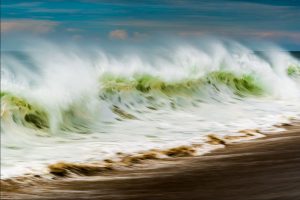 Monmouth University students can apply for a number of paid positions conducting door-to-door surveys for select coastal towns in the Raritan Bay area and Monmouth County through the Institute for Sustainable Cities (ISC) at Hunter College and Consortium for Climate Risk in the Urban Northeast (CCRUN). The surveys will pertain to community and household coastal adaptation to sea-level rise, coastal storms, and nuisance flooding along with local development trends. The survey aims to determine how the perception of future sea level rise is influencing coastal homeowners’ decision-making and gauge their needs for further information pertaining to flood mitigation, including what local and state municipalities can do to propagate and assist local resiliency efforts. The desired outcome is to figure out the decision frames that households are using to address questions of increasing climate risk along with their risk tolerance to differing levels of flooding and what metrics they use to measure risk.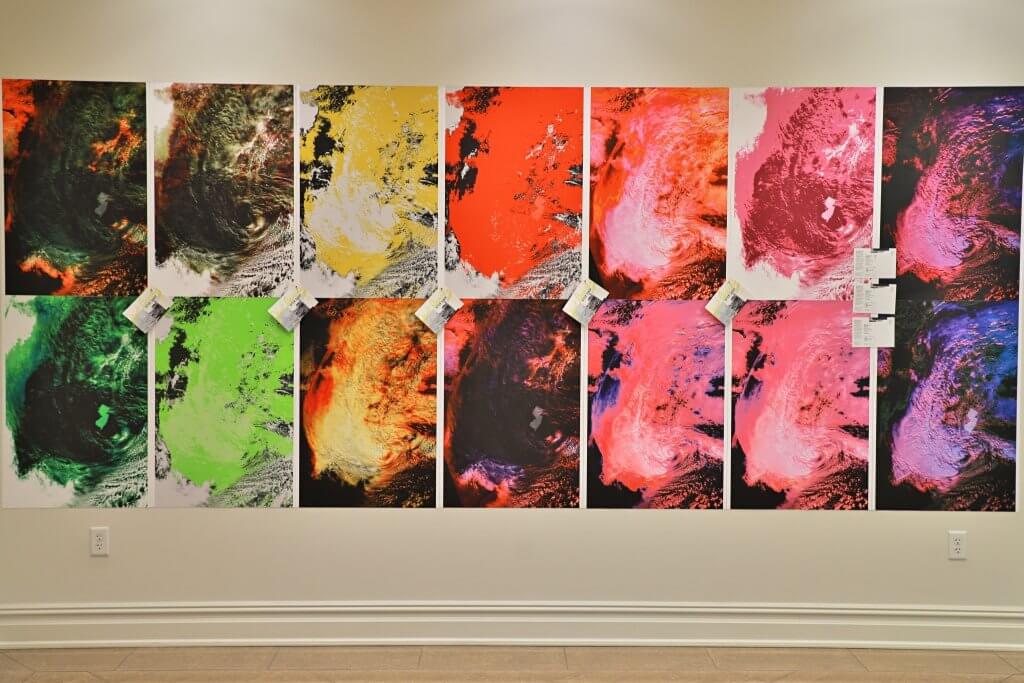
 “Just Beachy/After Sandy,” featuring the work of Monmouth University Department of Art and Design Professor Karen Bright and Assistant Professor of Communication Amanda Stojanov, can be viewed through Dec. 9 at the DiMattio Gallery, located in Rechnitz Hall. Some of the exhibition’s highlights include:
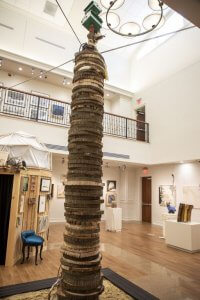 Two complementary exhibitions led by Bright will also debut on Sept. 20. “Karen Bright―Throughline,” also at the DiMattio Gallery, features four decades of the artist’s works centered on the environment as well as prevalent social and cultural issues such as the #MeToo movement and politics. ”A Sense of Place in Contemporary Encaustic,” at the neighboring Ice House Gallery, features 24 artists’ works that provide interpretations of space, ranging from serene landscapes to the abstract.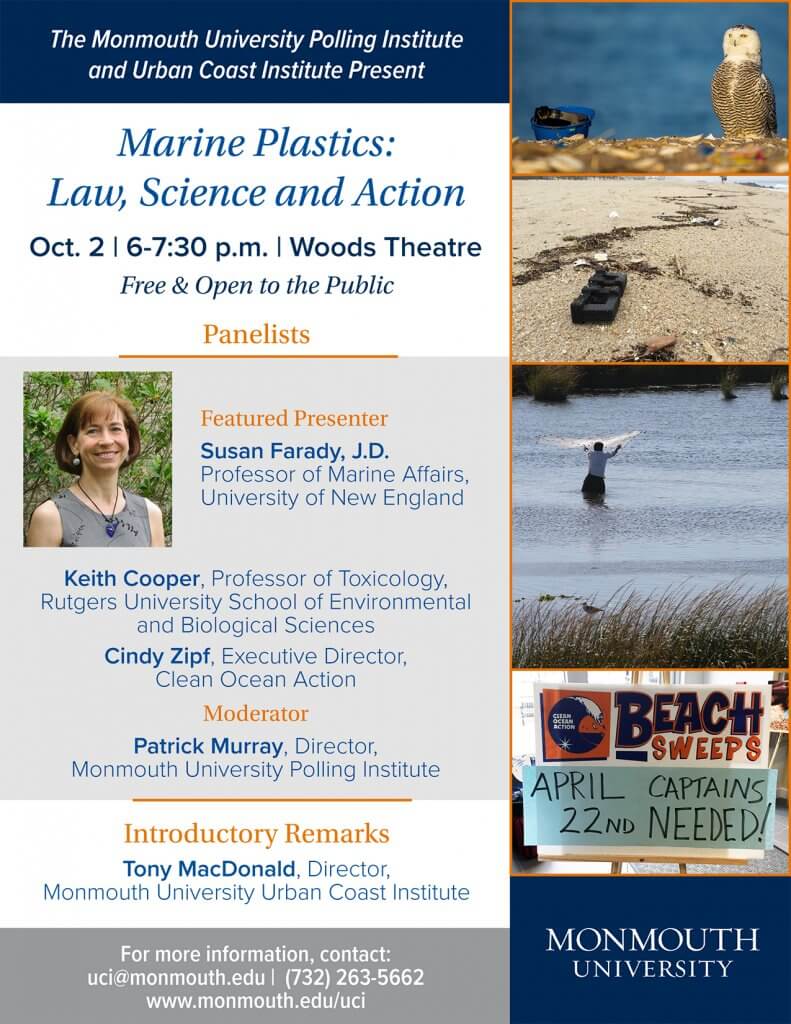
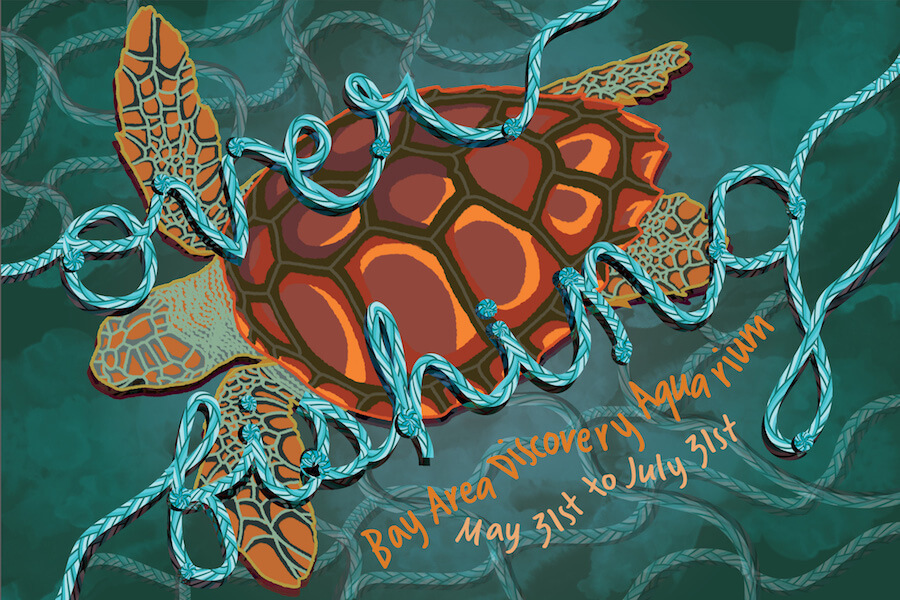
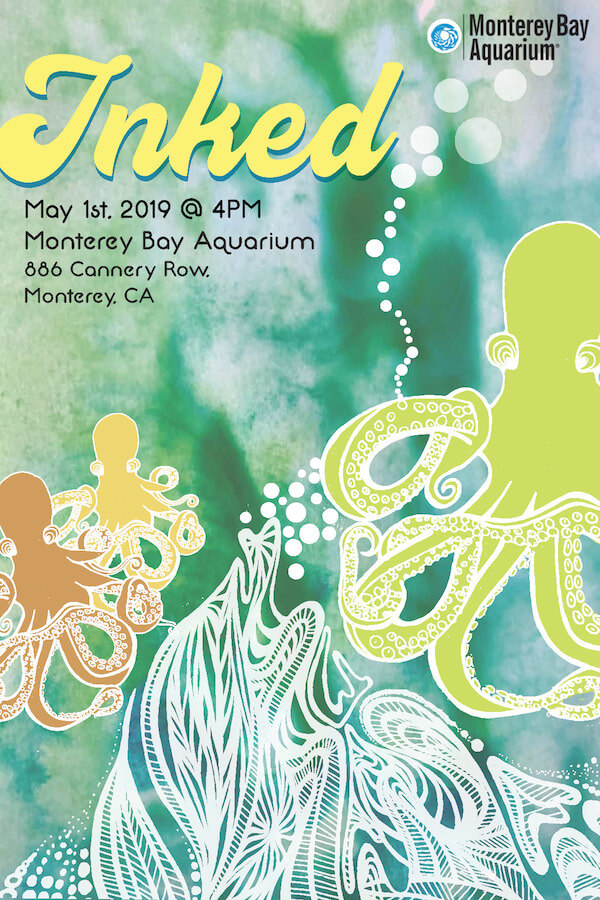
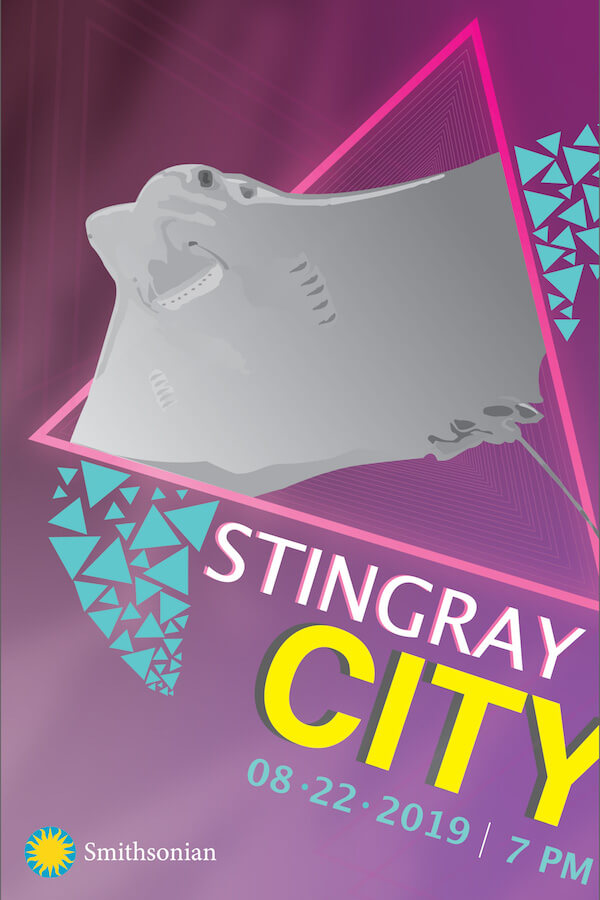
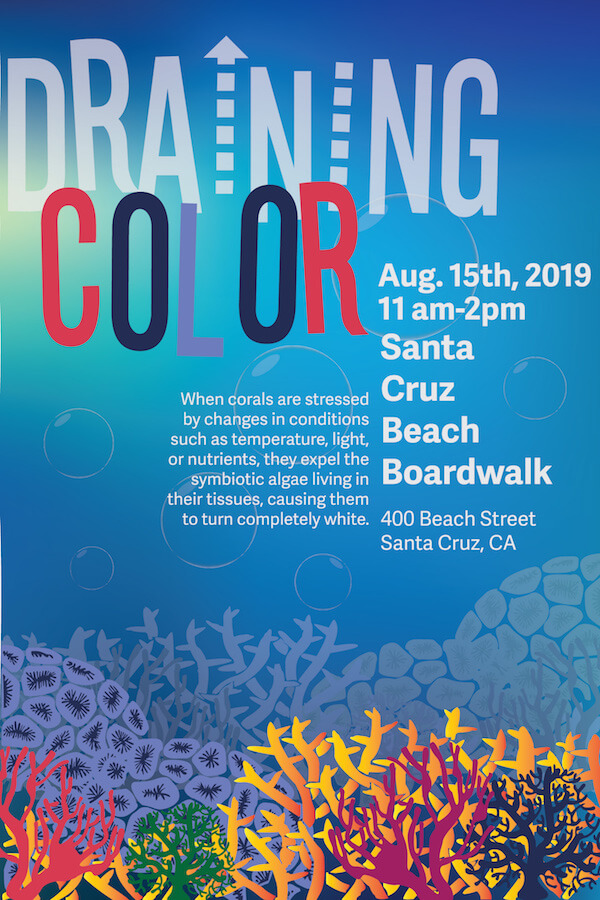
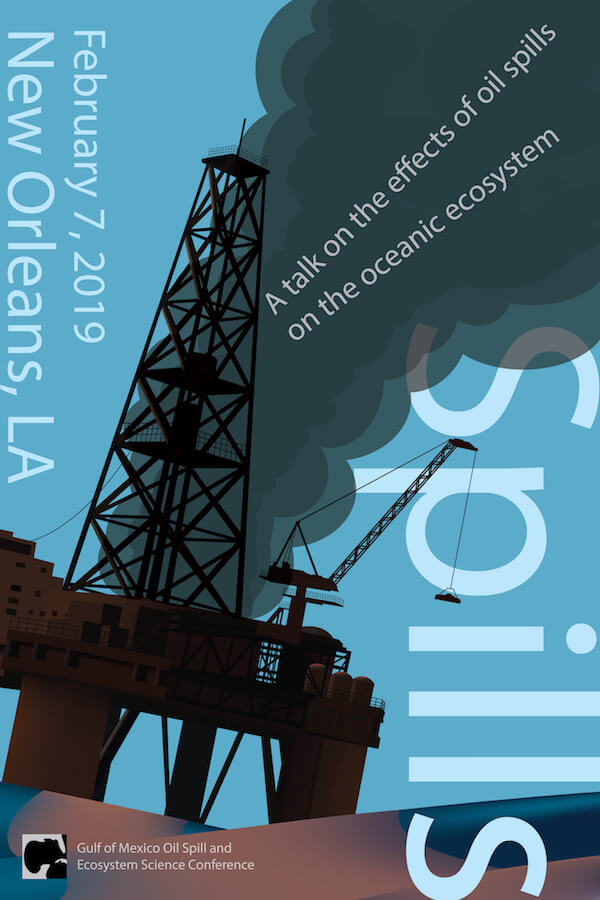
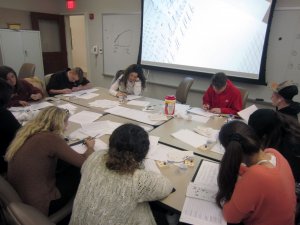 Students in Associate Professor Jing Zhou’s Digital Illustration course recently designed a series of posters promoting real and fictitious events about the ocean and coastal ecosystems. With the support of a UCI mini-grant, Zhou purchased calligraphy tools and supplies and coached the students to incorporate calligraphical elements into their work. Zhou believes the project provided a valuable design lesson and contribution to the course.