

School of Science Associate Dean and Professor of Analytical Chemistry Tsana Tongesayi, Ph.D., has published two peer‑reviewed studies with former undergraduate researchers that advance understanding of how microplastics change in aquatic and coastal environments.
“Microplastics are tiny, but their impacts are anything but,” explained Tongesayi. “They persist for generations, travel everywhere, and come from the everyday conveniences of modern life. We created plastics to make things easier — and now microplastics are everywhere reminding us that nothing we throw away really disappears.”
According to Tongesayi, microplastics are tiny pieces of plastic that come from everyday items such as bottles, packaging, clothing, and cosmetics. Their size allows them to move easily through rivers and coastal waters, and over time they can affect marine life, reduce water quality, and enter the food chain. Understanding how microplastics transform in the environment is essential for protecting coastal ecosystems, Tongesayi said.
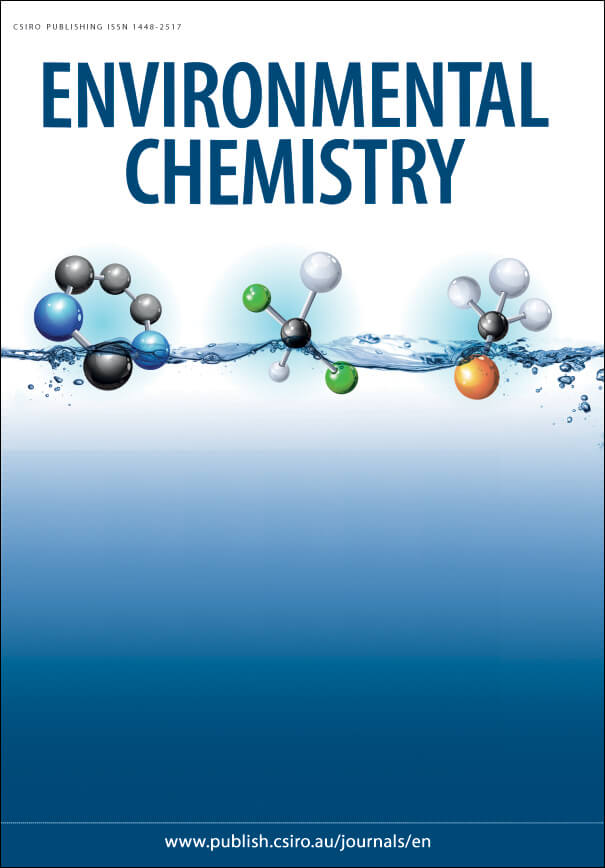
In their articles, Tongesayi and his research team examine how microplastics change in aquatic and coastal environments, focusing on how natural minerals such as goethite and kaolin can modify microplastic surfaces and influence their movement, persistence, and interactions with other materials in water.
Tongesayi’s 2026 publication was coauthored with chemistry majors Tatum E. Perez ’24, Gabriela Diaz ’25, and Isabella Hallingse ’26. The paper, “Surface Chemical Transformation of PET‑based Microplastics by Kaolin Exposure Under Simulated Aquatic Conditions” (CSIRO Environmental Chemistry, Vol. 23), demonstrates that clay minerals commonly found in natural waters can alter microplastics as they move through aquatic environments. These changes influence how microplastics travel and behave in natural waters.
The study follows a 2025 publication by Tongesayi and Perez that determined iron‑rich minerals can attach to microplastics and change their surfaces, further affecting how they move and interact with natural materials in water.
Together, these studies support coastal stewardship by providing clear, accessible scientific findings about a growing environmental concern affecting coastal regions, including New Jersey’s shoreline. They also highlight the important role undergraduate researchers play in advancing scientific knowledge at Monmouth University and reflect the School of Science’s commitment to high‑quality science research and meaningful undergraduate engagement across all disciplines.