Volume XV, Issue I
Table of Contents
- Note from the Chair
- “New Voices, New Stories — A Monmouth Review Update”
- Curating a Beginning: A Conversation with Student Intern Justine Bouton
- New Mini Exhibit Premieres at Holiday Open House
- Visiting Writers Series Welcomes Blake Butler
- Ghost Stories in the Great Hall: An Afternoon of Frights, Flash Fiction, and Folklore
- Congratulations to the Winners of the Fall 2025 Graduate Creative Writing Awards for Prose and Poetry
- M.A. and M.F.A. Manuscripts Defended
- Faculty News
- Department Student and Alumni Achievements
- Congratulations Graduates and New Sigma Tau Delta Members
- 7th Annual Toni Morrison Day
- Spring Visiting Writers Event
Note from the Chair
If you are a student, faculty member, alum, or friend of Monmouth University and you have not been living under a rock, you have undoubtedly heard the great news about the University’s having recently been reaccredited by the Middle States Commission on Higher Education. What you may not have known is that, in November, the English department received similarly great news about its having successfully completed Monmouth University’s External Program Review process and its also having been “reaccredited” through AY2031-2032. I’d like to take the opportunity, in this semester’s “Note From the Chair”, to thank everyone who pitched in and helped to write the department’s AY2024-25 Self-Study for Program Review, who met with our External Reviewer and provided her with the information that she needed to be able to generate her AY204-25 External Reviewer Report, and who assisted with developing our AY2025-32 Strategic Plan. It was definitely a team effort, and I am proud of the insights that we were able to generate, the strengths that we were able to confirm and consolidate, and the priorities for continued improvement that we were able to identify. Here’s a bit more about what the process entailed and what we learned from the experience:
In May 2024, the English department was notified via e-mail that we would be required to complete “program reviews in the upcoming AY2024-25 for all academic programs in the department.” According to the e-mail, the program review was to include “a self-study conducted by the department,” “an external reviewer visit and report,” and a “departmental strategic plan for the next seven years.”
Over the next several months, the English department’s 164-page AY 2024-25 Self Study for Program Review was developed by the department’s leadership team via a-collaborative process, and the report was submitted on Jan. 31, 2025. In the self study, we were able to demonstrate how, in spite of a wide range of challenges and opportunities, including numerous changes in university leadership, the adoption of a new strategic plan, the immediate and ongoing effects of a global pandemic, declining enrollments, shrinking budgets, and the loss of seven tenured and tenure-stream departmental colleagues, the English department remains a productive and vital academic unit, notable for its commitment to excellence in teaching and advising, its outstanding faculty, its substantial contributions to the university’s general education program, its high-profile annual events like Toni Morrison Day and the Visiting Writers Series, and its high-achieving students. We presented and analyzed extensive data about enrollment trends, faculty productivity, student learning outcomes, and alumni success, and we identified a number of strengths, weaknesses, opportunities, and threats that we hoped to discuss with our external reviewer and address in our strategic plan.
Also during the Fall 2024 semester, the English department reached out to Claire Buck, Ph.D., a professor emerita from Wheaton College with considerable prior experience serving as an MLA-authorized program reviewer for other university English departments across the country, about serving as our external reviewer. Buck accepted the invitation and was provided with a copy of the self study for her review in advance of her campus visit on March 26-27, 2025. During her visit, Buck met with the English department chair, with the members of the department’s leadership team, with office staff, with undergraduate and graduate students, with full-time and adjunct department faculty, with the SHSS deans, with the provost, with the directors of CETL and Writing Services, and with the associate dean of the School of Education. Buck submitted her External Reviewer Report to the department on May 6. In the report, she praised the department “for the breadth of its programs, the dedication and expertise of its faculty, and its responsiveness to the rapidly changing and turbulent environment in Higher Education.” She also challenged the department to commit to some serious strategic planning, to reexamine and possibly update the structures of its graduate and undergraduate programs, to revise its undergraduate student learning outcomes to better reflect the breadth and depth of what students take away from our programs, and to identify ways we could take on more of a leadership role in preparing University students to think critically about reading and writing in the age of AI. Our department’s leadership team carefully considered these and other recommendations made by Buck and collaboratively developed an AY2025-32 Strategic Plan, which was submitted on Oct. 1 and approved in November.
I share all of this not only because we are proud of having successfully completed the above-described process and of having been “reaccredited” by the institution, but also because we are excited about what we have learned about ourselves and what comes next. We are grateful to all of those whose generosity helps to make what we do possible—especially the anonymous donor who has given multiple gifts to support creative writing at Monmouth, our former chair Caryl Sills, who continues to endow an important and substantial scholarship for outstanding English-Education majors, and the SHSS Dean’s Office, which paid for me to be able attend the Modern Language Association’s ADE-ALD Summer Seminar for English department chairs from May 28-31, as was recommended by our external reviewer in her report. And we appreciate each of you. Thanks for taking the time to read about what we’ve been up to, your interest in what our faculty and students are doing, and your support for our department’s important work. Best wishes for a successful Spring semester!
“New Voices, New Stories — A Monmouth Review Update”
Peter Malave
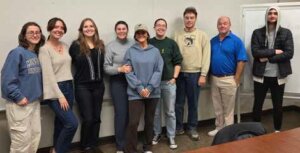
At Monmouth University, The Monmouth Review has cultivated an open and safe space for emerging creators as a literary and arts magazine. The Monmouth Review club hosts an annual publication to highlight student talent across campus.
Students (and alumni!) of all majors can submit literature, artwork, or adjacent creative works to The Monmouth Review via eCampus, under The Monmouth Review module. Writers can submit poetry, prose, essays, interviews, and other creative mediums. Artists can submit work in any medium, including graphic design, digital photography, oil and acrylic on canvas, and more. Writers and artists may submit both.
Submissions open as early as September, with an early bird deadline of Dec. 6 and a final submission deadline of Jan. 8. Afterward, the e-board comes together to read and evaluate students’ work to decide what gets published in the magazine based on the overall quality and creativity of each submission.
“It’s amazing to see a blend of different aspects of the arts spread throughout the university,” said Zafira Demiri, M.A. in English student and editor-in-chief of The Monmouth Review. “It’s like a celebration of all the creative voices at Monmouth.”
Run by and for students, The Monmouth Review provides noteworthy experience to prepare students for future publications. The club works together with creators and editors, becoming a learning opportunity for both parties. The art and literature teams then collaborate to construct a cohesive story with the student-submitted works.
With a long history in print, The Monmouth Review is approaching 70 years of publishing student work, with even more opportunities on the horizon. Starting with issues #67 and #68, student work will be published digitally. A new goal of the club is to work backward to prior issues to archive past student work, offering a worthwhile experience for those interested in archival work.
Curating a Beginning: A Conversation with Student Intern Justine Bouton
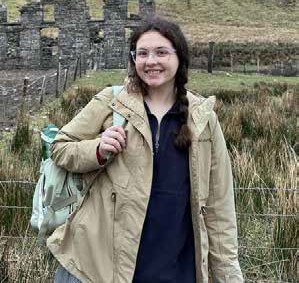
The English department recently spoke with Justine Bouton, a senior English major who completed an internship with the Township of Ocean Historical Museum this semester. This internship marked the first student placement in a pilot program developed by Stanley Blair, Ph.D., associate professor of English, in partnership with the museum. Her work behind the scenes offered valuable insight into the role of writing, research, and public engagement in cultural institutions. We asked her to share what she learned, how her major prepared her for the experience, and what advice she has for fellow students.
What made you want to intern at the museum, and how did it connect to your interests as an English major?
After having Dr. Blair for two semesters in a row and meeting with him weekly as my advisor, I had heard a great deal about the museum. I knew Dr. Blair was very involved, and by Spring 2025 I still had to fulfill my experiential education requirement, so when he mentioned that he would be proposing a possible internship through Monmouth University with the Ocean Township Historical Museum, I immediately jumped on it. I sent him my resume that day, and he made sure to mention me to the board members. At first glance, the internship might seem like it’s mostly for history majors, but it actually draws a lot on skills you develop as an English major. I knew I would be able to use all the interdisciplinary skills I have picked up as a student during this internship.
What was one project or task from your internship that stood out to you?
While I thought writing about the Ocean Township Police Department exhibit would be the easiest part, I was sorely mistaken. Undergraduates are expected to write in a formal academic style, but in making my extended PowerPoint that would play during the exhibit, I had to adapt my writing skills to be more accessible. This meant keeping all the research I did but presenting it in ways that the public would be able to consume quickly and with shorter attention spans. This is one of the most important aspects of Experiential Education that I had taken for granted before, since I had yet to translate my academic skills into real-life practice.
How did your English major help you succeed in your work at the museum?
My research skills were really put to the test during this experience, but since I developed those skills as an English major, I was able to actually enjoy the work I was doing. Thanks to classes like Dr. Blair’s Modern American Literature, Dr. Werner’s seminar course, Dr. Bluemel’s Writing During WWII, Dr. Jackson’s many courses I have taken, and so on, my knowledge was already strong, and I could actually put those skills to use in a real-life application. I was using library databases, newspaper archives, census archives, etc.
What skills did you learn or improve during your internship?
I am a person who prefers to work independently and even panics at the thought of group projects, so when I was introduced to this internship as a collaborative effort, I was nervous. I had to force myself to communicate better and more efficiently with the board members and Dr. Blair in order for the exhibit to succeed. I am grateful for this internship because it pushed me far out of my comfort zone and prepared me more for life after college, where collaborative work is expected.
What did working with museum staff and visitors teach you about public humanities or community engagement?
Before working at the museum, I was a bit pessimistic about the future of the humanities, but working with people like Lois Keily, Peggy Dellinger, Jim Foley, and everyone else involved, their enthusiasm was contagious. They truly wanted to deepen the community’s connection to its past and heritage so that future generations will not only carry on this legacy but also appreciate the past and all that has come from it. While the world often seems not to take the side of public humanities, people like the board members of the Ocean Township Historical Museum are a beautiful reminder of a promising future.
What advice would you give other English majors who are thinking about interning at a museum or similar place?
You should be open to any kind of internship in the humanities, whether you think it fits perfectly with your interests or not, because after this experience, I have acquired not only new skills but also a wealth of knowledge about my community and beyond. English is not just about writing papers and reading; it develops skills that will help you in any profession, and I am grateful that I could demonstrate that through my internship experience.
We are proud of Justine’s success as the program’s first intern, and her thoughtful, interdisciplinary work highlights the versatility of an English degree. We look forward to seeing where her talents take her next and hope her experience encourages other majors to explore hands-on opportunities that bring their studies to life. Justine is a senior English major who will graduate this January. She was featured in the Township of Ocean Historical Museum’s newsletter, shared below.
New Mini Exhibit Premieres at Holiday Open House
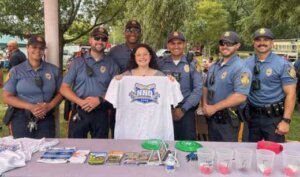
(Article and photo reprinted with permission from Peggy Dellinger, Ocean’s Heritage, Vol. 41, No. 2, Fall-Winter, 2025.)
The new exhibit, “Keeping the Peace: The History of the Ocean Township Police,” premiering at our Holiday Open House on Dec. 6 and 7, is the product of our first-ever internship program with Monmouth University.
Senior Justine Bouton worked under the supervision of Board members Lois Kiely (University alum, adjunct professor, and retired school administrator,) and Stanley Blair, Ph.D. (University professor, the museum board University liaison, and Bouton’s internship Universty supervisor).
With their support and guidance, Bouton searched museum files and newspaper archives, interviewed University police department personnel, and developed a multimedia presentation that chronicles the MUPD’s history from its beginnings to its contemporary use of technology.
The pilot is just the beginning of an ongoing program. To learn more about internships, contact Kiely at llkiely@aol.com or Blair at sblair@monmouth.edu.
Visiting Writers Series Welcomes Blake Butler
Eleanor Curatolo
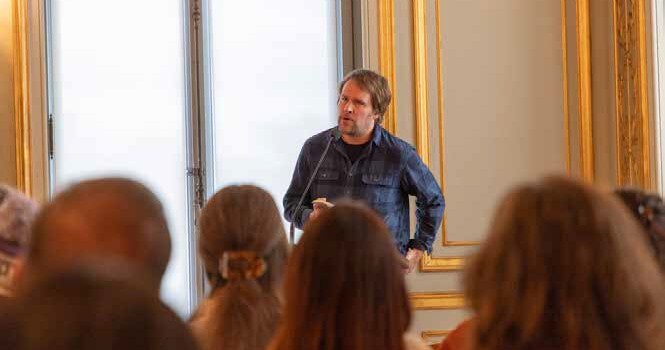
On Oct. 22, 2025, the Monmouth University Department of English held its first Visiting Writers Series event for the 2025–2026 school year, inviting Blake Butler for a reading and discussion with Kenneth Womack, Ph.D. Butler’s short fiction, essays, interviews, and reviews have appeared in The New York Times, Harper’s, The Paris Review, Fence, Bomb, Bookforum, and Vice. In 2021, he was longlisted for the Joyce Carol Oates Prize. He is the author of twelve book-length works, including “UXA.GOV”, “Void Corporation”, “Aannex”, and “Molly” (Archway Editions, 2023), excerpts from which faculty and students had the privilege of hearing.
“Molly” tells the story of Butler’s wife, how she died by suicide, and the repercussions of the loss on Butler’s life. The excerpt he read reflected one of his final days spent with Molly at an art museum, depicting both the stress Butler felt at the time and Molly’s melancholic thoughts through her poetry, journals, and emails interlaced throughout. Butler captures both the bleakest and most meaningful moments in his memoir, honoring Molly’s life in every word. The vulnerable account of a husband’s devout love for his late wife left the audience in awe.
Following the reading, Womack led a conversation about Butler’s work and writing process. In writing “Molly”, Butler claimed he was “called” to create “something indescribable.” Womack noted that Butler “benefited from having lots of material to draw on from Molly.” Once Butler Began reading Molly’s work following her death, he “couldn’t stop pulling the threads,” which became the basis for his memoir. Womack remarked that “Molly wanted to be seen” in how she directed Butler to her material. In documenting the story of his life with Molly, Butler came to “understand how such a rare person could lose grip of the things holding her together.”
The first ten publishers to whom Butler sent his memoir claimed that such a heart-wrenching story could not be published during the pandemic. Butler persisted for Molly, who believed that “it’s your duty to tell your story.” When the memoir was eventually published, Butler explained that “Molly” received mixed reviews. The discussions about suicide, affairs, and mental health were off-putting to some readers but inspiring to others. Butler’s and Molly’s families thought the publication of such sensitive information was inappropriate, writing poor reviews of the memoir in response. Butler claimed that he had “too much love for art and literature” to tell a censored story of the wife he adored above all things. A deeply introspective night concluded with Butler’s assertion that he “doesn’t care what the repercussions of truth are,” urging the audience to express their own truths in their writing.
Ghost Stories in the Great Hall: An Afternoon of Frights, Flash Fiction, and Folklore
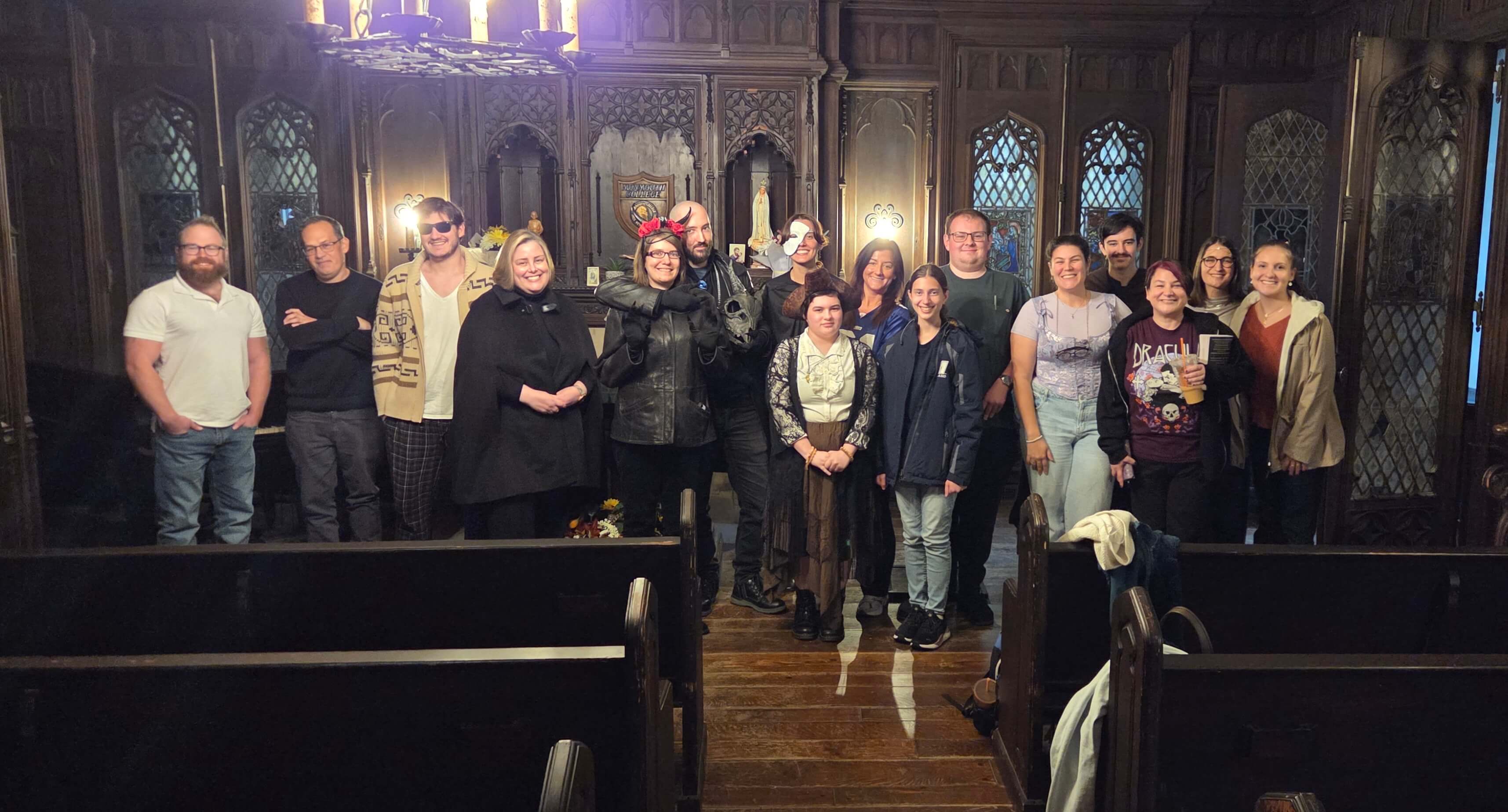
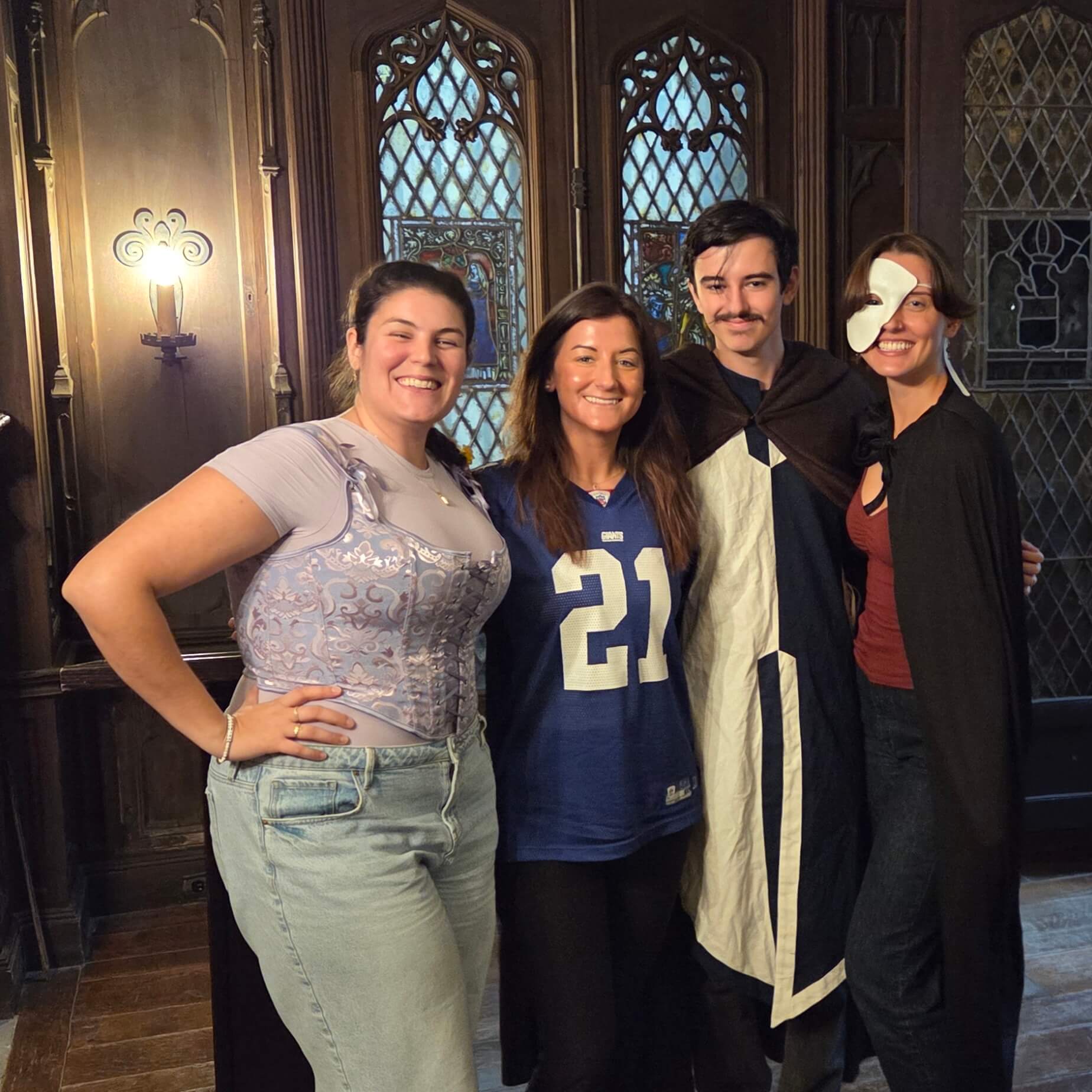
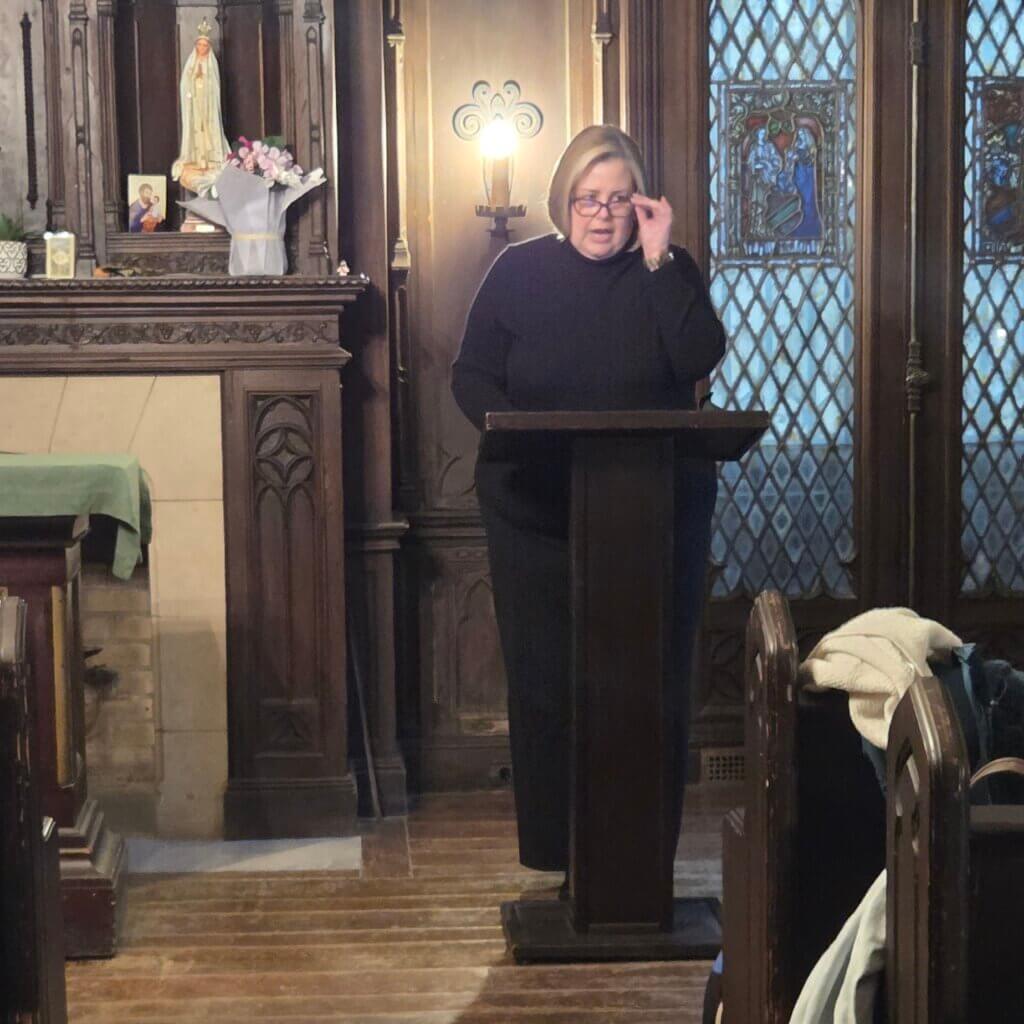
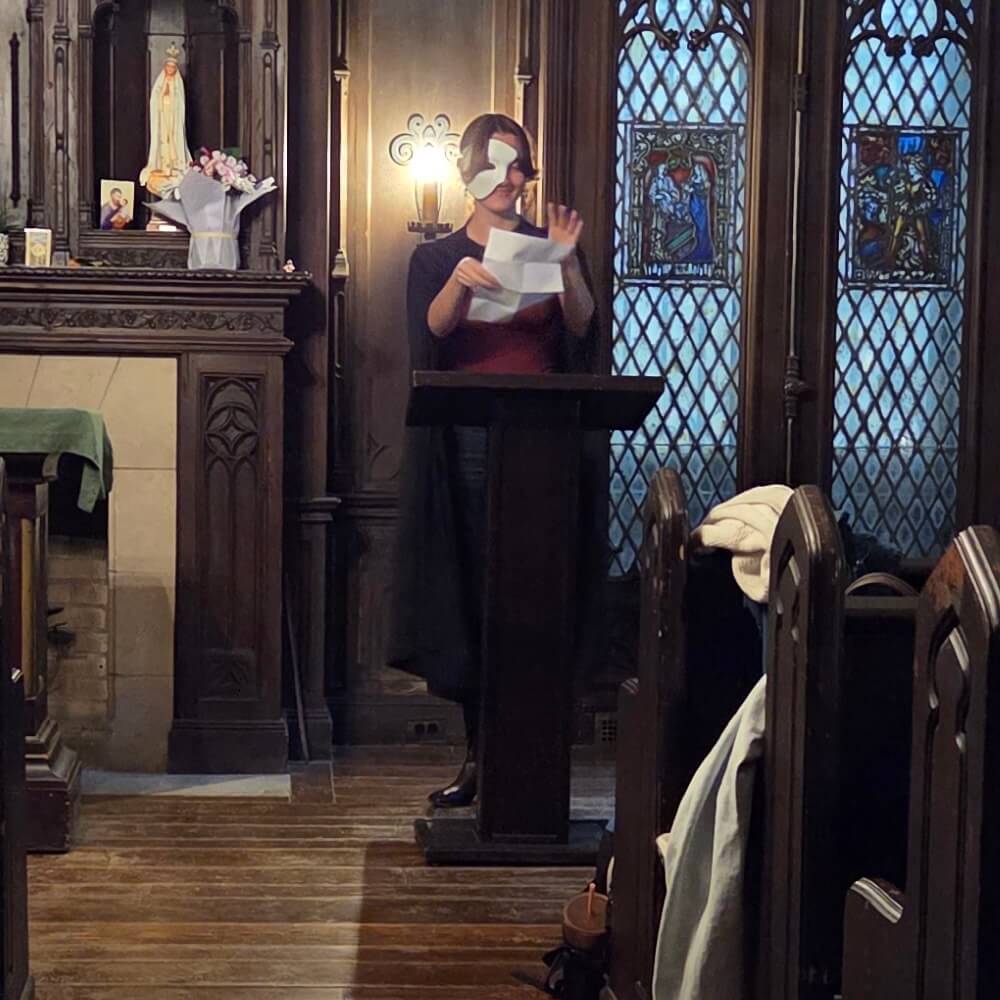
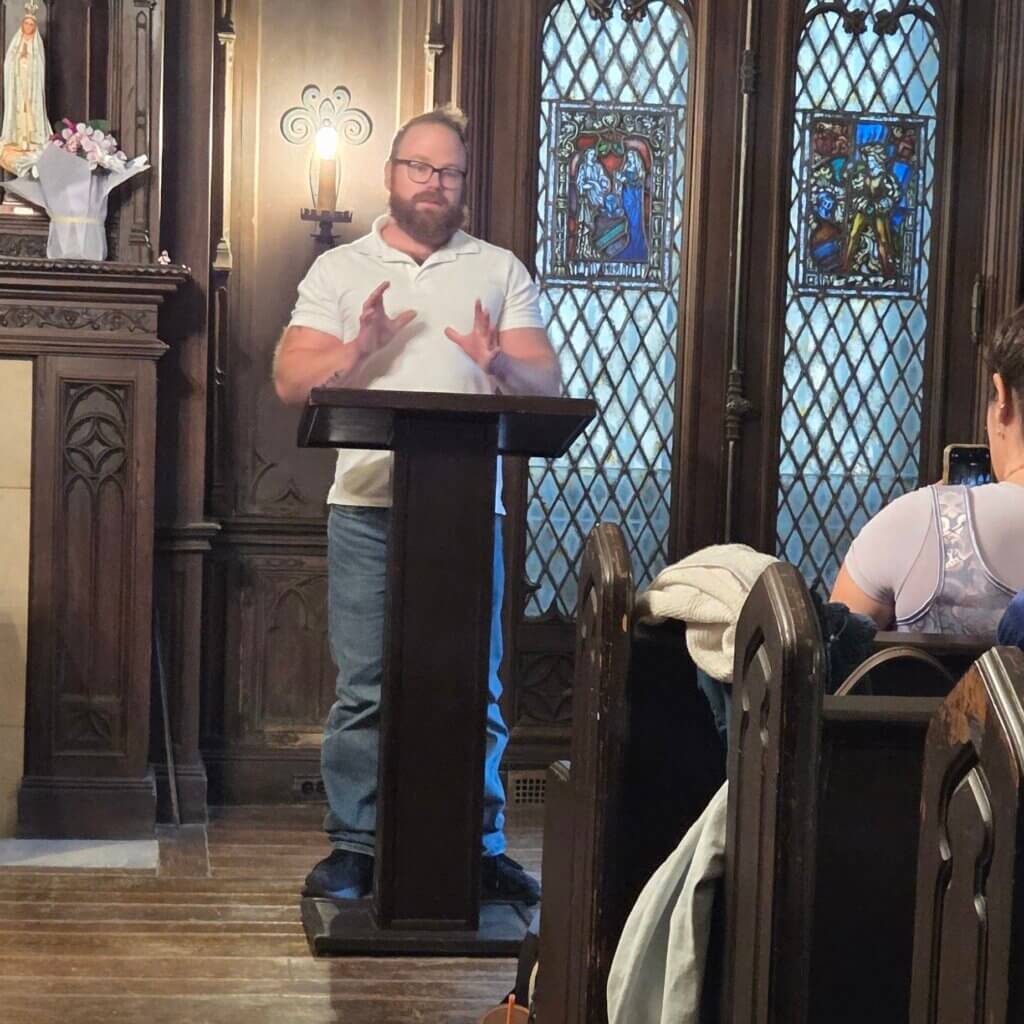
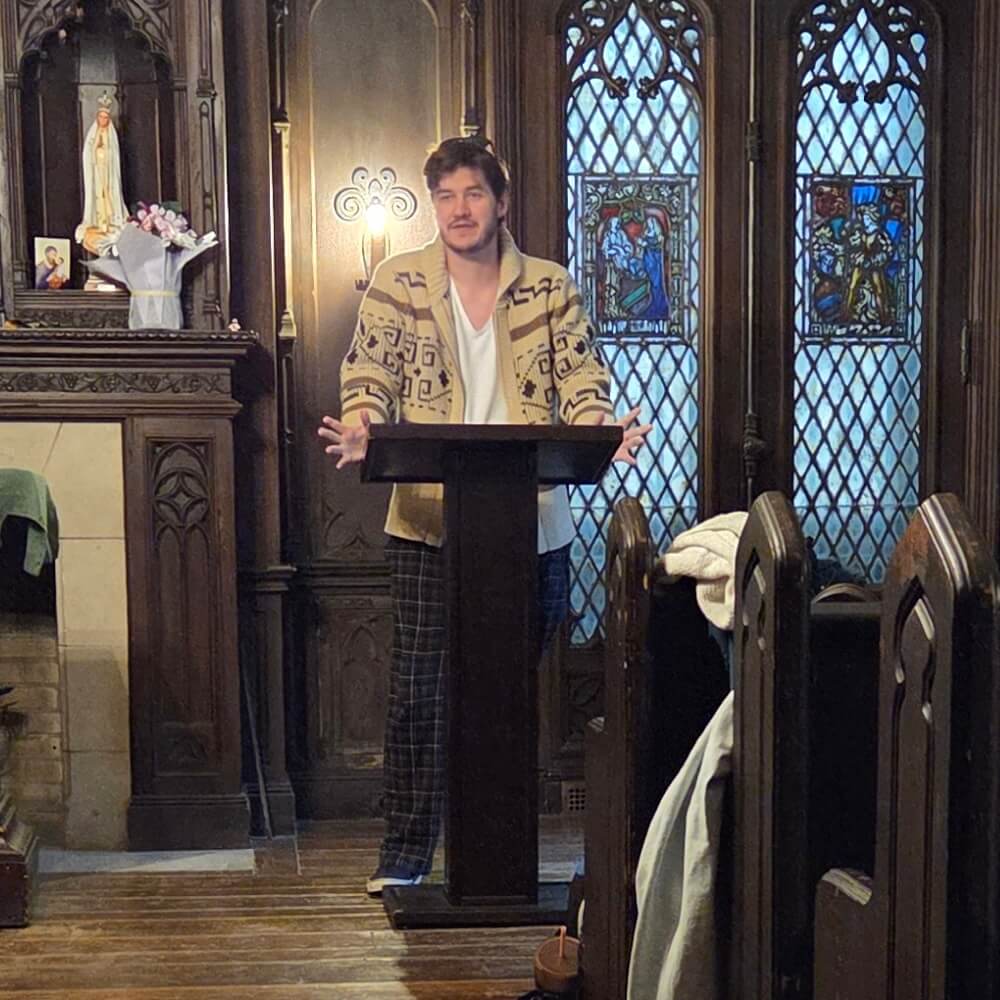
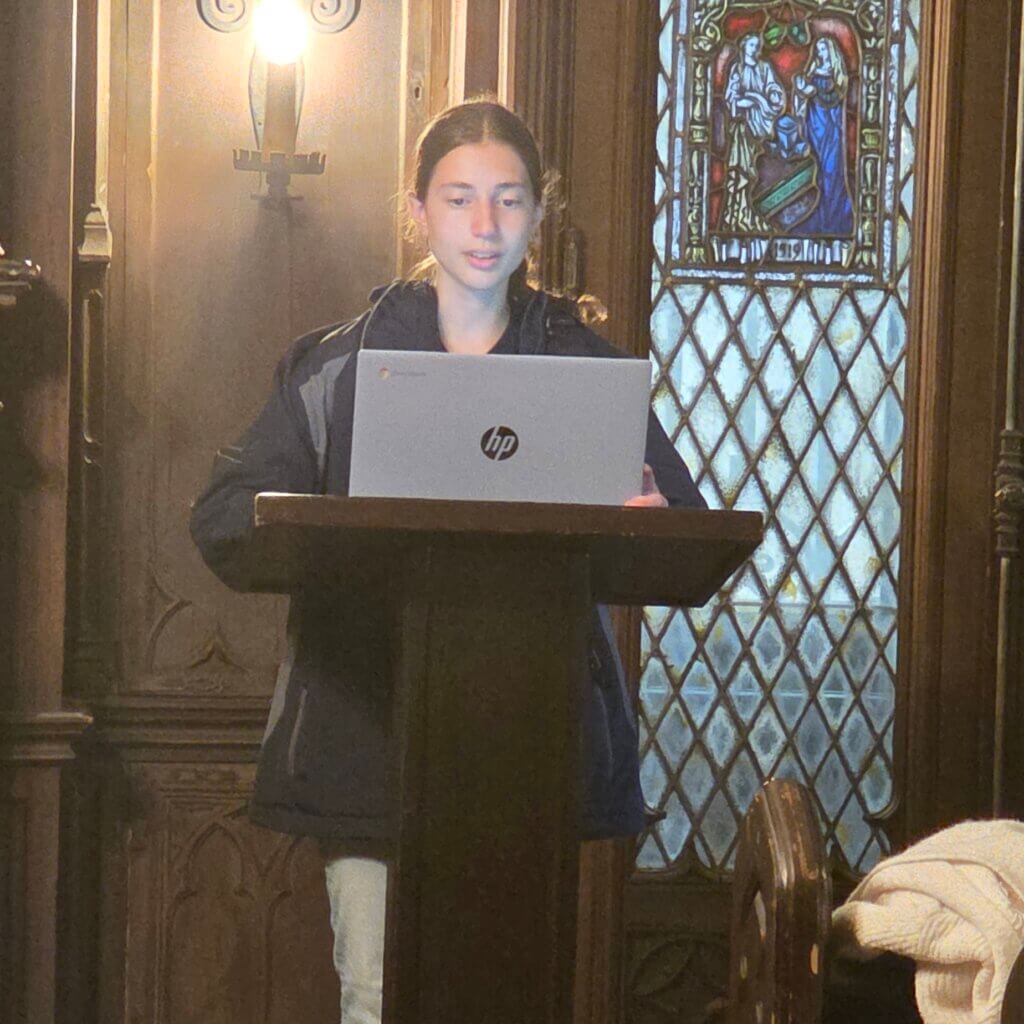
On Oct. 29, Sigma Tau Delta hosted its annual Ghost Stories in the Great Hall reading in the Walt Withey Chapel, welcoming members, faculty, students, and guests for an afternoon of spooky storytelling. The event was organized by the chapter’s executive board in collaboration with Beth Sara Swanson, faculty advisor and lecturer. Chapter president Gwyneth Finn opened the program with welcoming remarks, followed by a reading from adjunct faculty member Matthew Wedlock, whose award-winning piece, “The House Lager,” won a ghost story contest sponsored by the Asbury Book Cooperative.
Current and prospective Sigma Tau Delta members, faculty, and recent alumni shared original poetry, flash fiction, and excerpts from favorite ghostly tales. Refreshments and tarot card readings helped set the atmosphere, contributing to an engaging and festive event. With a strong turnout and a full slate of readings filling the 3 p.m.–4 p.m. time slot, the afternoon was full of great readings and good company.
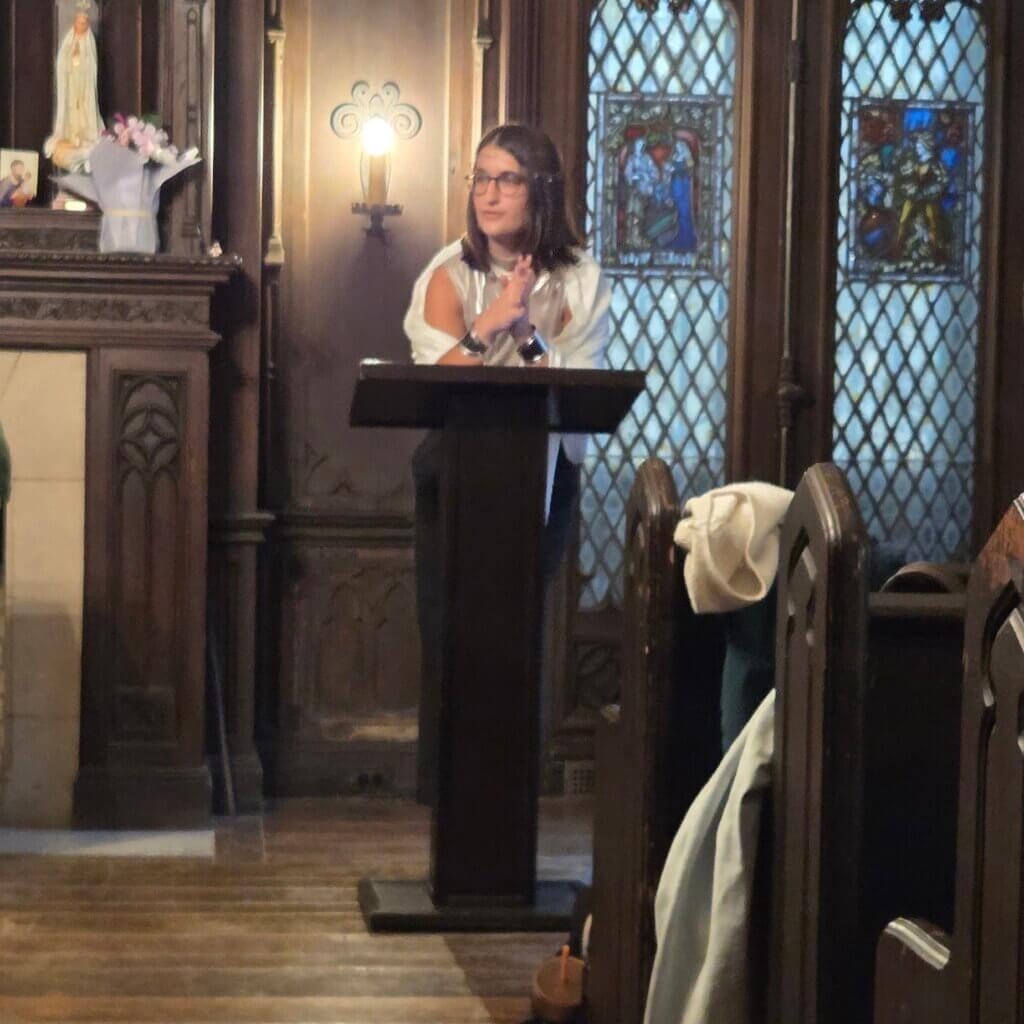
Congratulations to the Winners of the Fall 2025 Graduate Creative Writing Awards for Prose and Poetry
Prose: Alicia Notorio for “The Young Boy Goes on an Adventure”, judged by Michael Kardus who said the following of Notorio’s work.
The piece that rose above the rest, for me, was “The Young Boy Goes on an Adventure.” This is labeled “Part I,” so I assume it’s part of a larger story or novel; even so, it stood on its own as the heartbreaking story of a boy who needs his tragic narrative to be, instead, a tale of adventure and intrigue. Much of the story’s power comes from the writer’s deft handling of close point-of-view and the friction between five-year-old Nico’s version of his own story and the reader’s fuller understanding that this isn’t an “adventure” at all but a story of desperation, drug addiction, and damaging parenting. “It’s so cool!” Nico thinks, hurrying after his mother on a grimy 7th Avenue—but we suspect that at some deeper level, Nico already knows that everything is far from cool. Each exclamation mark in this story is a frantic shout for Nico to believe the lies he’s learning to tell himself.
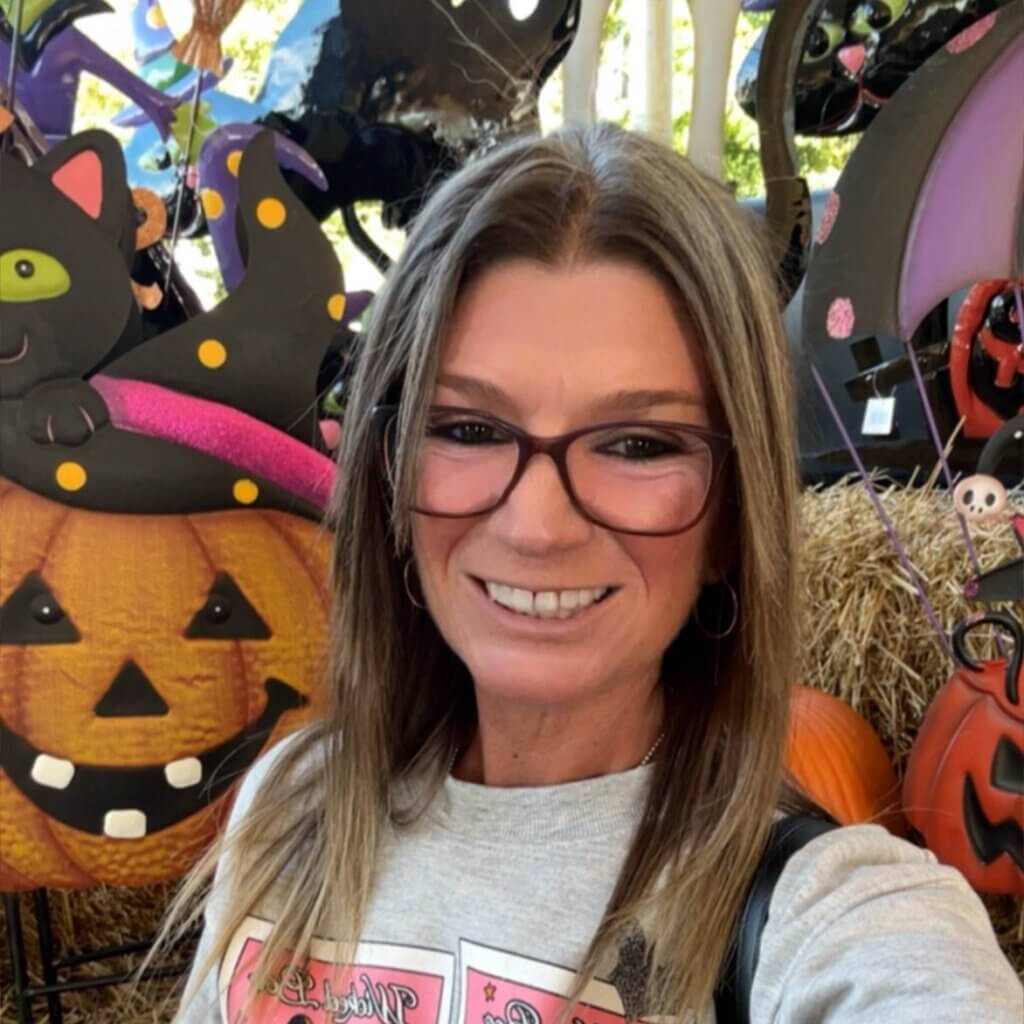
Poetry: Zafira Demiri for her collection of poems judged by Liza Duncan who said the following of Demiri’s work.
These clear-eyed poems deftly explore hunger and appetite, pleasure and sensuality. The speaker’s experience of bodily hunger coincides with a more abstract longing to understand the world and to be understood. Here the physical and metaphysical realms collide: “I never imagined God with fingerprints,//but right now, gazing at this vibrating mirror/I see the swirling & ridges of identity imprinted.” Elements of the tangible world are presented in surprising ways: the speaker washes tangerine pith from their cuticles, pinches a dried maple leaf from the soles of their shoes. Within the speaker’s insatiety is a quiet yet celebratory determination to find one’s place in the material world and all that lies beyond it. “[M]y veins…drink it up,/turn more green with//life,” the speaker asserts. “I will not wilt/tonight.”
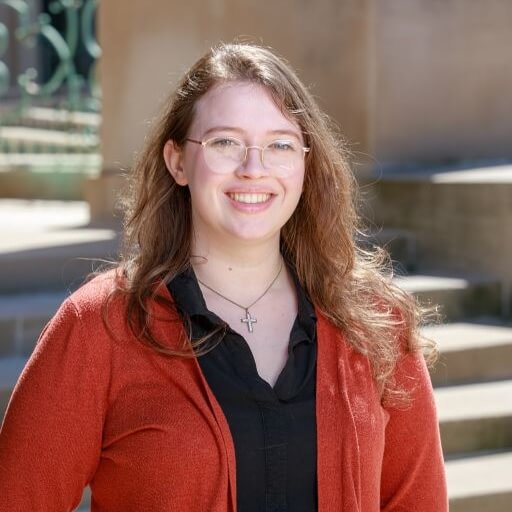
M.A. and M.F.A. Manuscripts Defended
- Liza Gordon, Wet Wings. Fall 2025
- Peter Malave, Man of the House. Fall 2025
- Carlee Migliorsi, “Asbury Park Uprising: Race, Riot, and Revenue.” Fall 2025
- Gabriella Petrillo, Sabato. Fall 2025
- Julie Temple, The Treks of Jessica Taylor: The Talisman. Fall 2025
Faculty News
Kristin Bluemel, Ph.D., published a book chapter, “Animals at the Hearth: E.H. Shepard and Fantasies of Rural Living.” in “The 1920s: A Decade of Modern British Fiction”. Eds. Leigh Wilson, Nick Hubble, and Philip Tew. The Decades Series. London: Bloomsbury Academic, 2025. 253-83.
Bluemel appeared at the Modernist Studies Association: Infrastructures in Boston, Massachusetts, in October, where she made three distinct contributions to the conference, serving as a roundtable moderator, organizing and moderating a seminar, and presenting a panel paper.
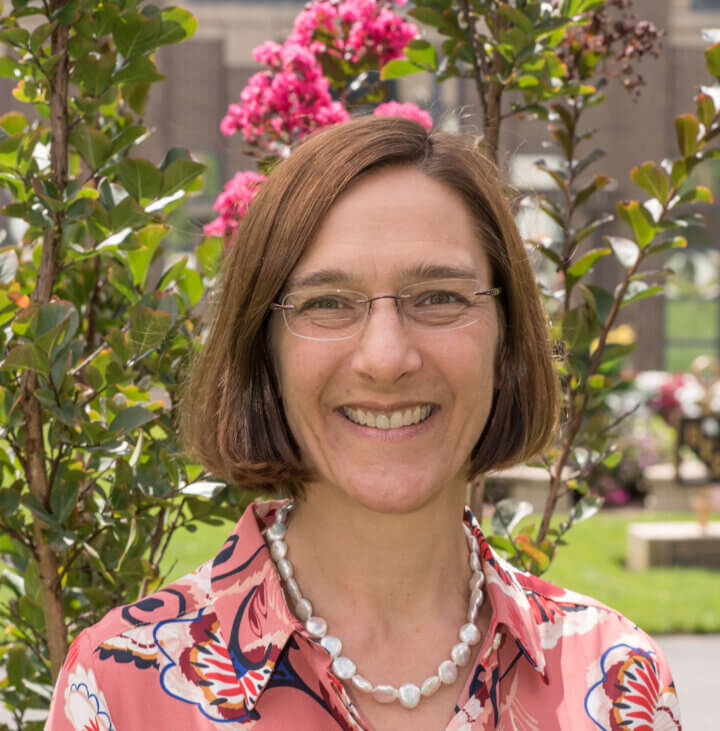
Mihaela Moscaliuc, Ph.D., was awarded a Pushcart Prize for her poem “April 2020” which appears in 2026 Pushcart Prize L. Her poem “While Digging for Worms” was published in the fall issue of The Progressive. Moscaliuc is currently on leave and traveling, having been awarded a Guggenheim Fellowship. She recently participated in VI Encuentro Internacional de Poesía Esteros, a poetry festival in Montevideo, Uruguay, and took part in the XXXII Encuentro Nacional e International de Mujeres Poetas de Cereté (32nd edition of the festival/meeting of national and international women poets) in Colombia.
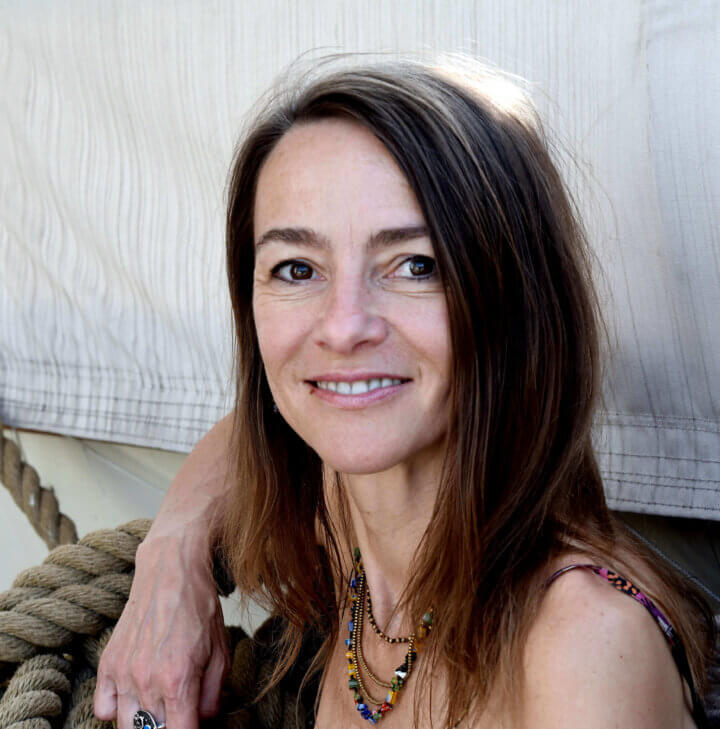
Stanley Blair, Ph.D., presented his paper titled, “‘Peculiar, Quiet Circumstances’: Dan Rice as Writer.” at the Mid-Atlantic Popular American Culture Association conference in November.
Blair also partnered with the Township of Ocean Historical Museum to develop a museum internship program, recently approved, with ten internships available exclusively to Monmouth students. The internships draw mainly on humanities skill sets. The pilot intern, senior Justine Bouton, is featured in this newsletter.
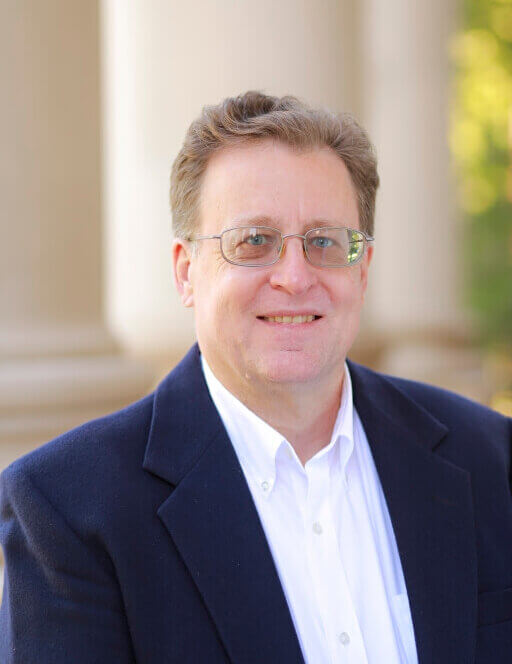
Sue Starke, Ph.D., saw the publication of her article entitled, “Malfont’s Tongue: Poetic Injustice at the Court of Mercilla (FQ V.v.11)” in the July 2025 issue of The Spenser Review.
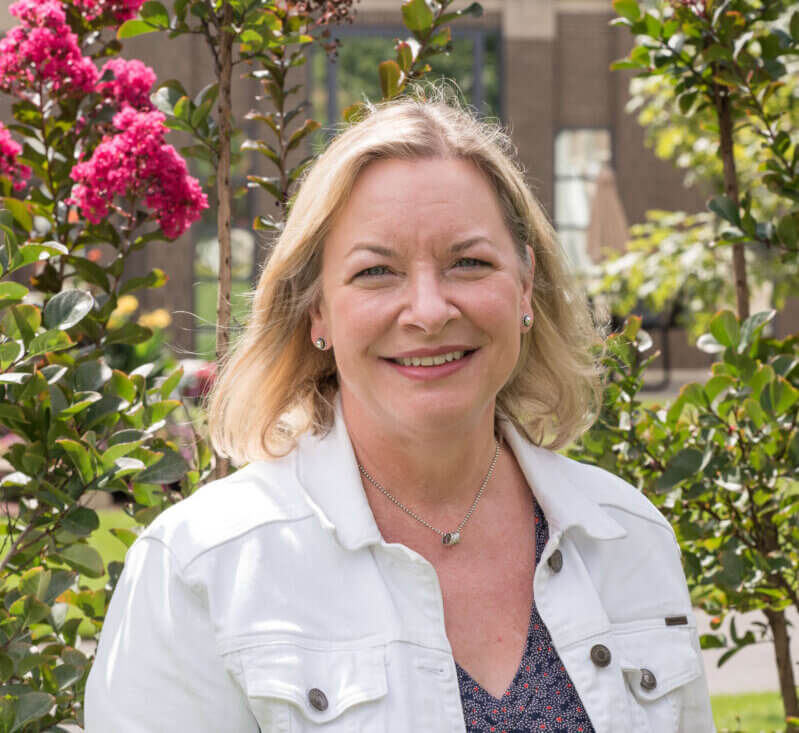
Congratulations to Adjunct Professor John Vurro, whose essay, “Guardians”, was listed in “The Best American Essays of 2025” (2025). HarperCollins.
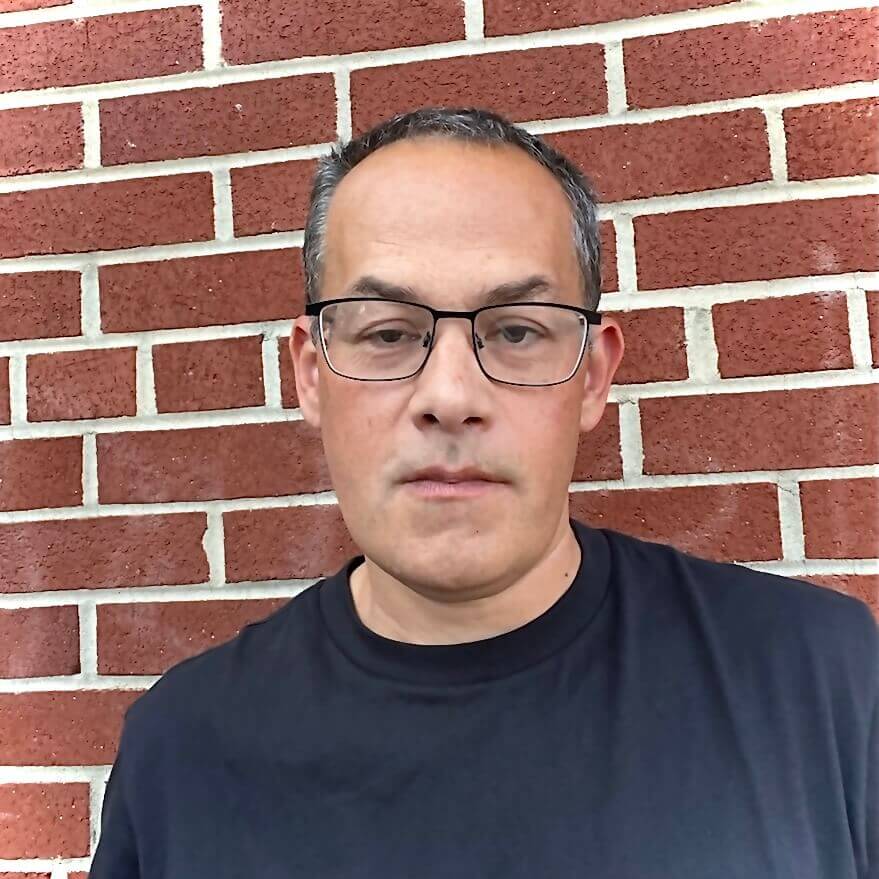
Adjunct Professor Emma Varga presented her paper titled, “Refiguration: Complicating the ‘Master Trope.’” at the Mid-Atlantic Popular American Culture Association conference in November.
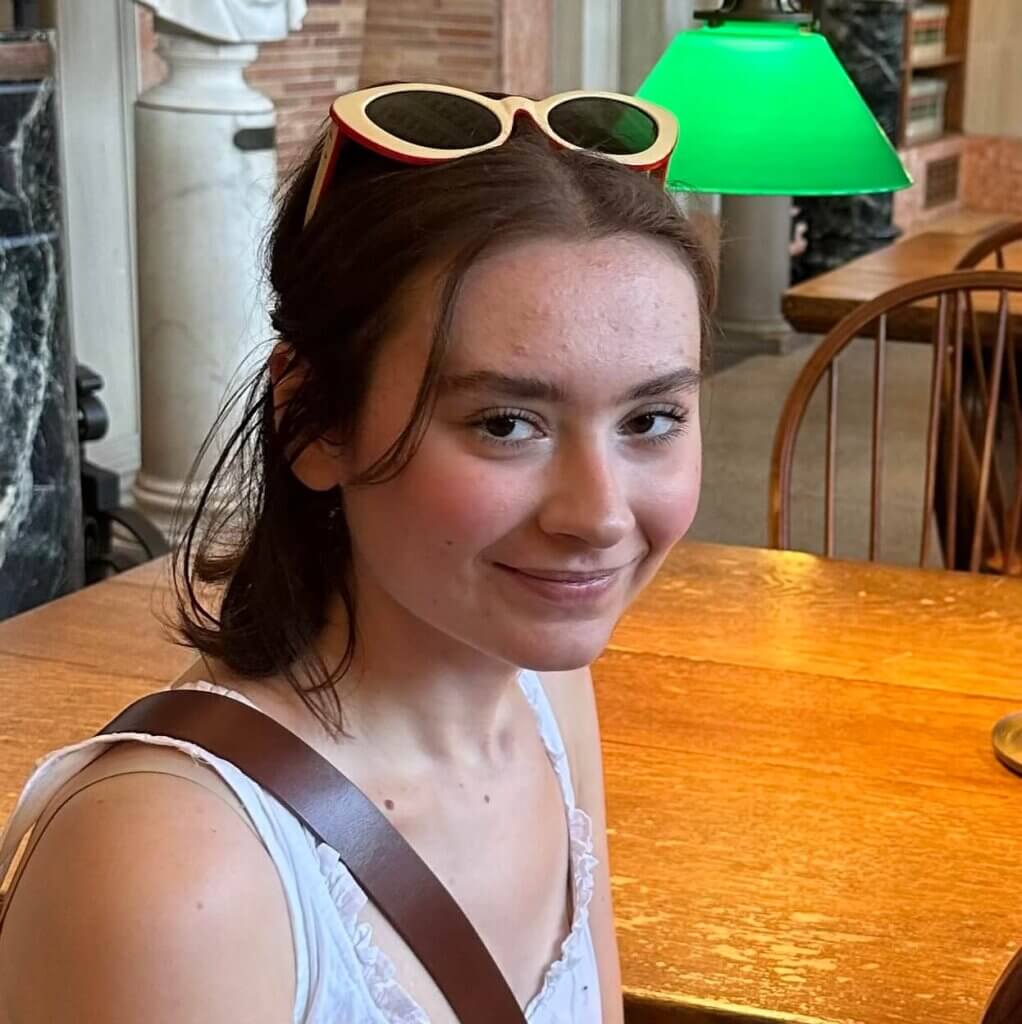
Department Student and Alumni Achievements
Recent graduate, Ashley Zingillioglu ‘25, has been featured in Monmouth Now, the Fall/Winter 2025 edition of Monmouth Magazine, and Penn GSE News (December 9, 2025). Now a student in University of Pennsylvania Graduate School of Education’s Learning Sciences and Technologies program, Zingillioglu is continuing a project that began as her undergraduate thesis at Monmouth University by refining and scaling “Talking with Friends”, an interactive social story platform that supports communication skills for students with autism through research-based and emerging AI approaches.
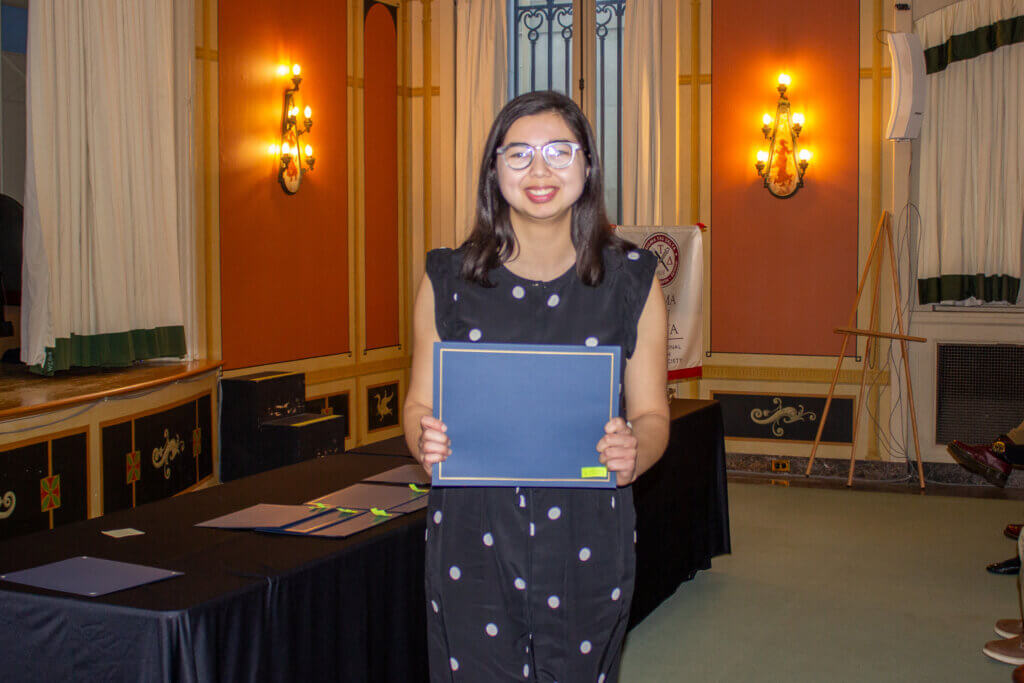
Graduate students, Zafira Demiri and Anna Huber presented their work, “I Have No Criticism and I Must Theorize: Literary and Rhetorical Concerns about AI in Science Fiction” at the Mid-Atlantic Popular American Culture conference in November.
Congratulations Graduates and New Sigma Tau Delta Members
New Fall 2025 Inductees
- Justine Bouton
- Ana Heloisa Carvalho
- Julianna Chesla
- Jacqueline Collo
- Eleanor Curatolo
- Amanda Ljajka
- Aedan Lorfink
- Amy Margiatto
- Jevon Melvin
- Juno Snider
- J.P. Snyder
January 2025 Graduates
- Justine Bouton
- Liza Gordon
- Nayeli Herdoiza
- Anna Huber
- Peter Malave
- Carlee Migliorisi
7th Annual Toni Morrison Day
Feb. 20, 2026
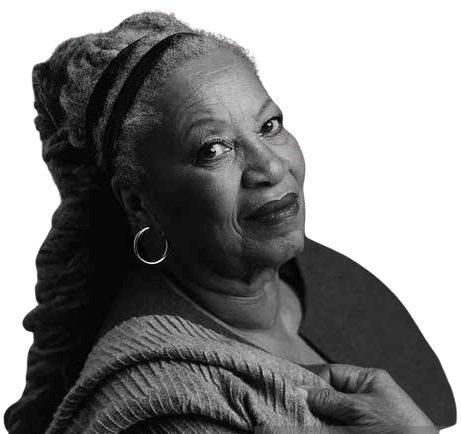
Toni Morrison was a literary giant whose novels reshaped American literature by centering Black life with lyrical power, moral clarity, and unflinching truth. Across generations, her work has served as both mirror and guide—shaping the voices of contemporary writers, anchoring classrooms and community conversations, and offering new readers language for inherited memory and identity. Her legacy endures as both a canon and a call: to read deeply, write bravely, and carry forward stories that refuse to be forgotten.
Spring Visiting Writers Event
Date: Wednesday, Feb. 25, 2026
Time: 4:30 – 6 p.m.
Location: The Great Hall, Room 104 (Julian Abele Room)
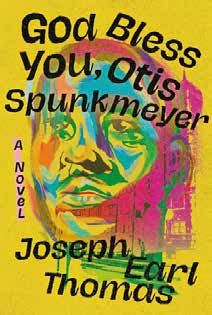
The Monmouth University Visiting Writers Series, in partnership with The Intercultural Center, welcomes author Joseph Earl Thomas.
Joseph Earl Thomas is the author of the memoir “Sink” and the novel “God Bless You, Otis Spunkmeyer”, winner of the Center for Fiction First Novel Prize. His work has been published in The Paris Review, The Verge, Harper’s, VQR, The Yale Review, and elsewhere. A graduate of the University of Notre Dame’s M.F.A. program, he also earned his Ph.D. in English at the University of Pennsylvania. He teaches writing at Sarah Lawrence College and courses in Black studies, poetics, literature, and video games at the Brooklyn Institute for Social Research.