
Monmouth University’s Coastal Curriculum
Monmouth University’s Coastal Curriculum provides undergraduate students the opportunity to complete their general education requirements with a distinctive coastal focus. Located less than one mile from the Atlantic Ocean, Monmouth’s campus is the ideal setting for shoreline studies through courses in art, science, history, literature, and the social sciences. Participants receive a certificate of completion in recognition of their academic work.
Students will engage with area experts, collaborate with dedicated faculty members, and participate in co-curricular activities such as guest lecturer events, service-learning, faculty fellows, maritime cinema events, and coastal research trips. The program also emphasizes community-building experiences such as museum visits, community service projects, and hands-on research.
Home to the Urban Coast Institute and the highly regarded Marine and Environmental Biology Policy program, Monmouth is also associated with coastal communities including Long Branch, Asbury Park, Ocean Township, and West Long Branch. These coastline connections make Monmouth a natural hub for exploration, research, and community engagement.
Why Choose the Coastal Curriculum?
- Interdisciplinary Learning: Blend science, humanities, and arts. For example, one semester might include Marine Biology and Ocean Policy, and the next a Coastal Literature seminar. Connect ideas across fields for a deeper understanding.
- Unique Coastal Location: Study at a campus by the beach – Monmouth is nestled on New Jersey’s shore, near estuaries, historic lighthouses, and marine laboratories. Our setting directly enhances learning from oceanic research to inner-city internships (with New York City and Philadelphia also within easy reach).
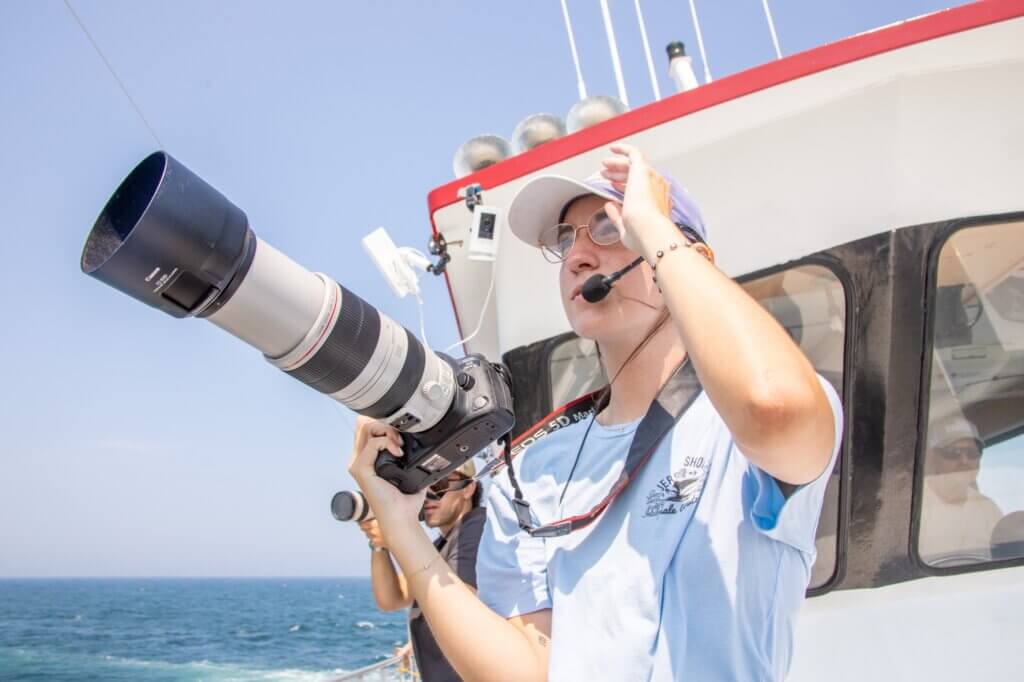
- Experiential Opportunities: Research vessel trips, beach excursions, and lab work are built into the curriculum. Few universities on the East Coast offer the chance to take an entire class out to sea on a 49-foot research vessel – Monmouth does! Guest speakers (through our Urban Coast Institute) include renowned marine scientists and policymakers, giving you exposure to leading experts in ocean issues.
- Certificate of Completion: Earn an official certificate alongside your degree by completing 3+ approved courses. Showcase your focused expertise in coastal topics – a resume booster for careers in environmental science, education, conservation, and more. You’ll graduate not only with a diploma but with a distinctive credential that sets you apart.
- Community & Support: From day one, you’ll join a community of fellow coastal enthusiasts. Small class sizes mean your professors know you by name and mentor your journey. Collaborate with classmates on field projects and service initiatives that strengthen our coastal community. Attend community-building social events available only to Coastal Curriculum scholars. Become part of Monmouth’s proud tradition of caring and engaged scholarship.
Program Courses Include
- AN 278: Maritime History/Underwater Archaeology
Examines maritime archaeology, with a focus on North America and particularly New Jersey. - AR 231: Eco Art
Building creativity, vision, and the ability to synthesize new ideas from across disciplines to form original ideas and solutions around the human/nature relationship. - BY 341: Marine Biology
Biota of the oceans and inshore waters with an emphasis on ecology, functional morphology, and marine and estuarine habitats. - EN 101: College Composition I
COAST-designated sections will introduce scholars to college-level writing through relevant coastal themes. - EN 102: College Composition II
Academic inquiry, posing critical questions in order to construe and synthesize existing knowledge and to construct new connections. - EN 220: Literature of the Sea
Literature of the sea since the Enlightenment with major texts representing diverse nations and global contexts. - HS 101: Western Civilization in World Perspective I
Introduction to the major historical developments in the history of Western society through a unique Coastal perspective in *COAST designated sections. - HS 110: Historical Studies
Historians draw and revise conclusions about the past through deep study of a historically relevant coastal topic. - PE 103: Surfing
Learn the basic skills, history, etiquette, and strategy of surfing. - SC 170: Oceanography
A survey of physical, biological, chemical, and geological resources and the processes that define and affect ocean basins, coasts, beaches, estuaries, offshore waters and marine species. - SC-198: Special Topics in Science
By completing three or more themed courses (typically 9+ credits) and one or more extracurricular experiences, students earn a Certificate of Completion that recognizes their concentrated study in coastal topics, adding a distinctive credential to their degree.
Beyond the certificate itself, you’ll cultivate critical thinking, and a unique interdisciplinary skill set: the ability to connect scientific facts with cultural contexts, to understand environmental challenges through historical and policy perspectives, and to communicate across disciplines. Employers and graduate programs value this breadth of knowledge and the hands-on experience you’ll gain through fieldwork and research. Perhaps most importantly, the Coastal Curriculum helps you join a community of like-minded explorers.
You’ll work closely with peers and professors who share a passion for the ocean, building lasting academic and personal connections. Monmouth’s personalized, supportive learning environment means we’re invested in your success. By the end of this journey, you won’t just have learned about the world’s coasts – you’ll have become a more confident scholar, ready to chart your own course in any field. Interested students can learn more by visiting our Programs of Study page or speaking with their academic advisor. At Monmouth University, our coastal location offers you an education you won’t find anywhere else. We invite you to explore the Coastal Curriculum and discover how you can make waves academically while enjoying all the cultural and natural riches our proximity to the ocean provides.
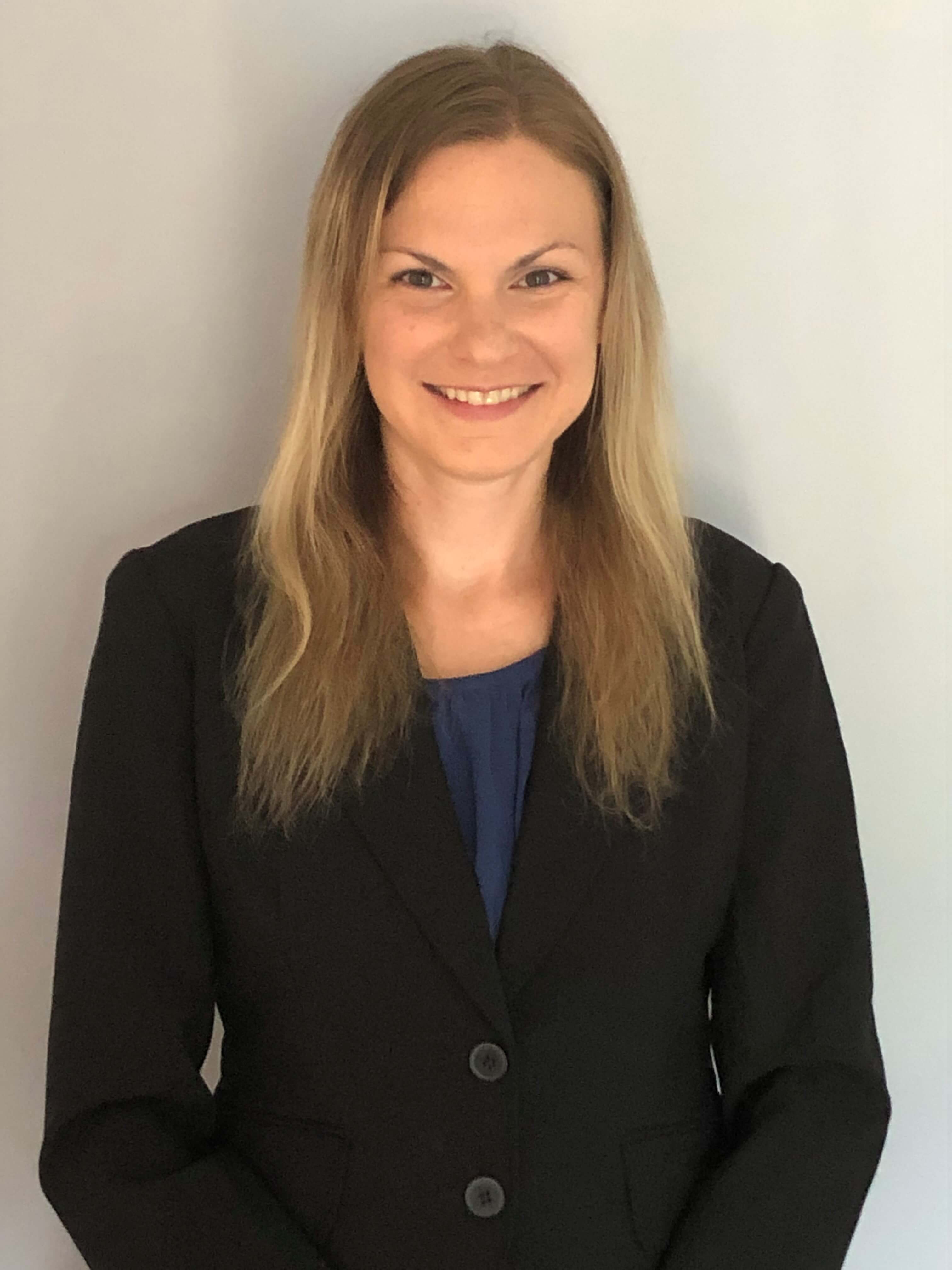
Michelle Schpakow, Ed.D.
Assistant Professor;
Science Education