Our recent distinctions and accolades highlight how Monmouth is continually growing and achieving new academic heights. From athletics and clubs to cutting-edge research and cultural events. Monmouth University has staked a place among the top private universities.
12:1 Student to Teacher Ratio
120+ Student Clubs & Organizations
24 Division 1 Sports Teams
99% of Students Receive Financial Aid
Search Programs
You are on your way to discovering something great! Start exploring or talk with an undergraduate or graduate admission representative to learn more about majors, degrees, and more.
We are committed to providing exceptional learning opportunities to all students and have been ranked as one of the top five in the nation for access and excellence.
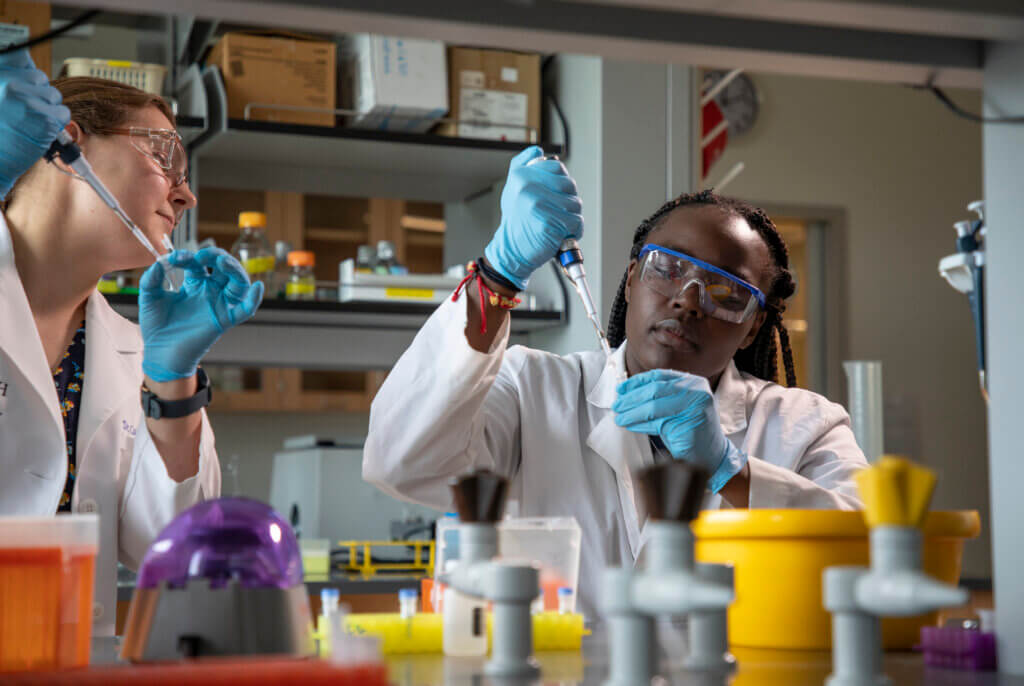
Connect your classroom experience with real-world knowledge. Through experiential education, Monmouth offers countless opportunities for you to get hands-on learning before graduation.
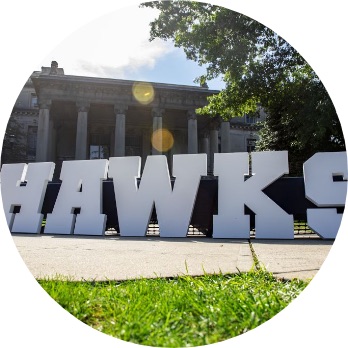
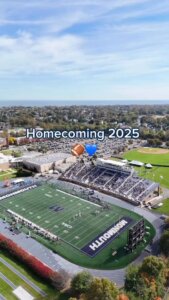
Over 1,000 members of our Hawk Family came together on campus for Homecoming and Reunion Weekend 2025! Visit monmouth.edu/alumni to explore more exciting opportunities to reconnect.
The Monmouth University Urban Coast Institute (UCI) turned 20 this year and Tony MacDonald has been its director from the start. Watch above as Tony looks back on some of the UCI achievements he’s most proud of.
Learn more about the Urban Coast Institute at: www.monmouth.edu/uci […]
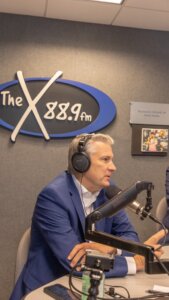
The second episode of Monmouth Matters is out now! 🎙️President Patrick Leahy and Matt Harmon sit down with UCI’s Tony MacDonald and Tom Herrington to celebrate @urbancoastinstitute 20th anniversary, the recent Champions of the Ocean Symposium, and the ongoing environmental […]
Welcome to Bey and Pozycki Halls, home to Monmouth University’s Leon Hess Business School, accredited by AACSB International. These two buildings are connected by a second-floor pedestrian bridge and feature unique learning spaces designed to simulate real business environments […]
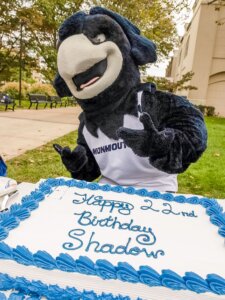
Happy Birthday, #MonmouthU! 🎂💙 Today, on Founder’s Day, we’re celebrating 92 years as an institution with our #HawkFamily. Here’s to soaring together and building the future. ✨ #OnThisDay
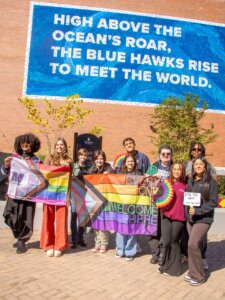
Celebrating love, authenticity, and pride every day at #MonmouthU. 💙🏳️🌈 Our 7th Annual #NationalComingOutDay reminded us that everyone has a place in our #HawkFamily. 🌈 #LGBTQIA
What an incredible turnout at Sunday’s Open House!💙 Huge thanks to our future #Hawks, their families, and the amazing staff and faculty who made it all possible. We can’t wait to see you again! 🦅 #HawkFamily #HawksFlyTogether
Welcome to the Rebecca Stafford Student Center, the heart of campus life at Monmouth University. From student resources and cultural events to social gatherings and recreation, it’s all here. Enjoy meals from Jersey Mike’s or coffee from Dunkin’ in the Food Court, with indoor […]