Office Space
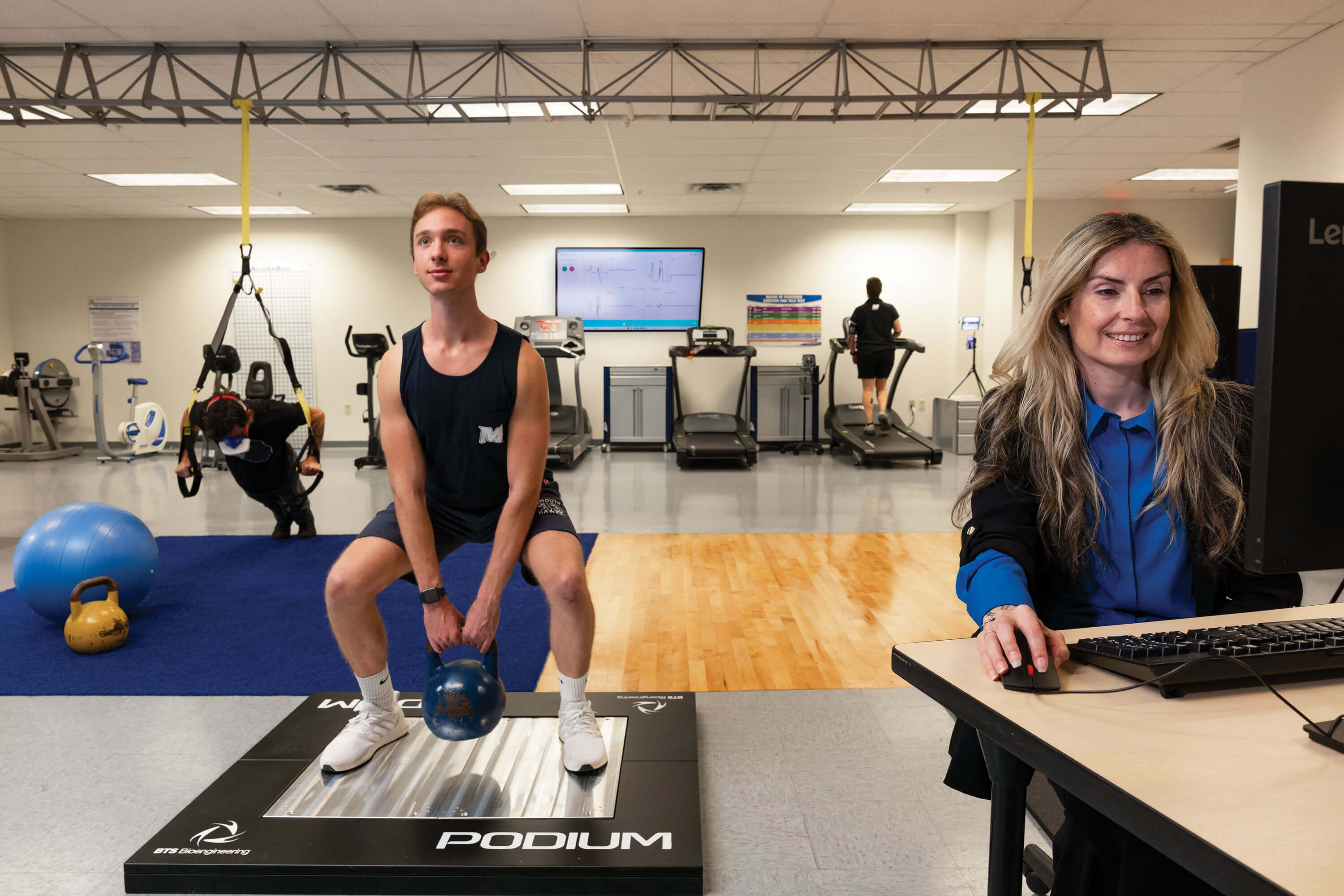
Inside the Human Performance Lab, where every rep is a research opportunity.
Led by Tamara Rial-Faigenbaum, Ph.D. (pictured far right), a specialist professor in the Department of Health and Physical Education, the Human Performance Lab houses state-of-the-art, wireless technology for the study of human physiology and biomechanics. Its fully portable systems allow real-time movement analysis in both lab-based and real-world settings.
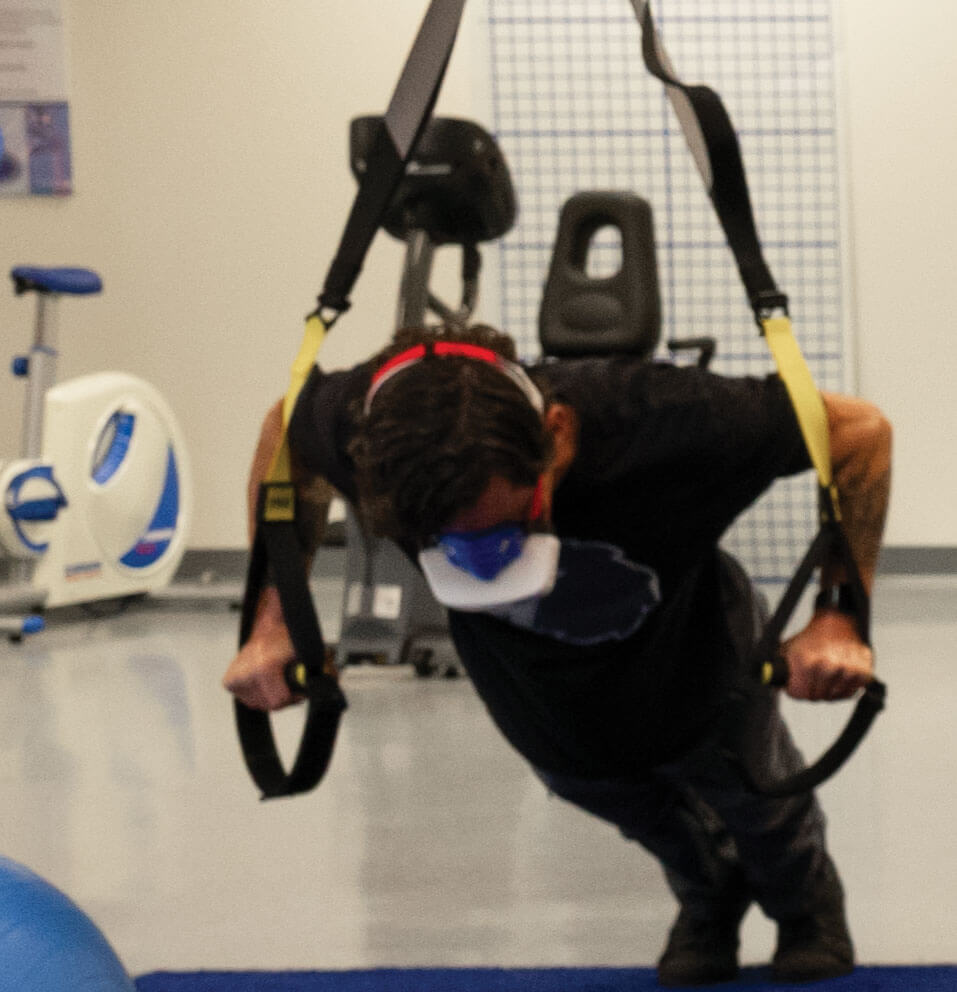
Wireless Oxygen Uptake Analyzer
This portable system tracks oxygen use and cardiopulmonary response during exercise, offering real-time insights into heart and lung performance. It helps researchers evaluate aerobic fitness, monitor training adaptations, and apply exercise physiology beyond the lab.
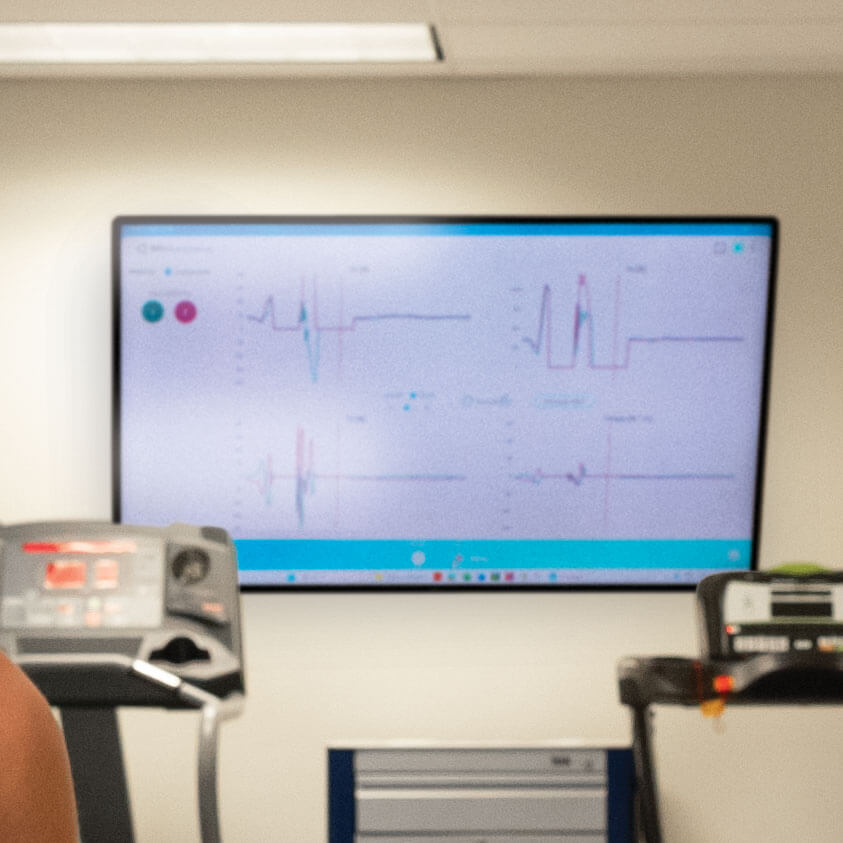
Electromyography Analysis
The display shows real-time neuromuscular activity for up to eight muscles simultaneously, allowing students and faculty to analyze muscle activation patterns and examine motor control, gait mechanics, rehabilitation progress, and training responses.
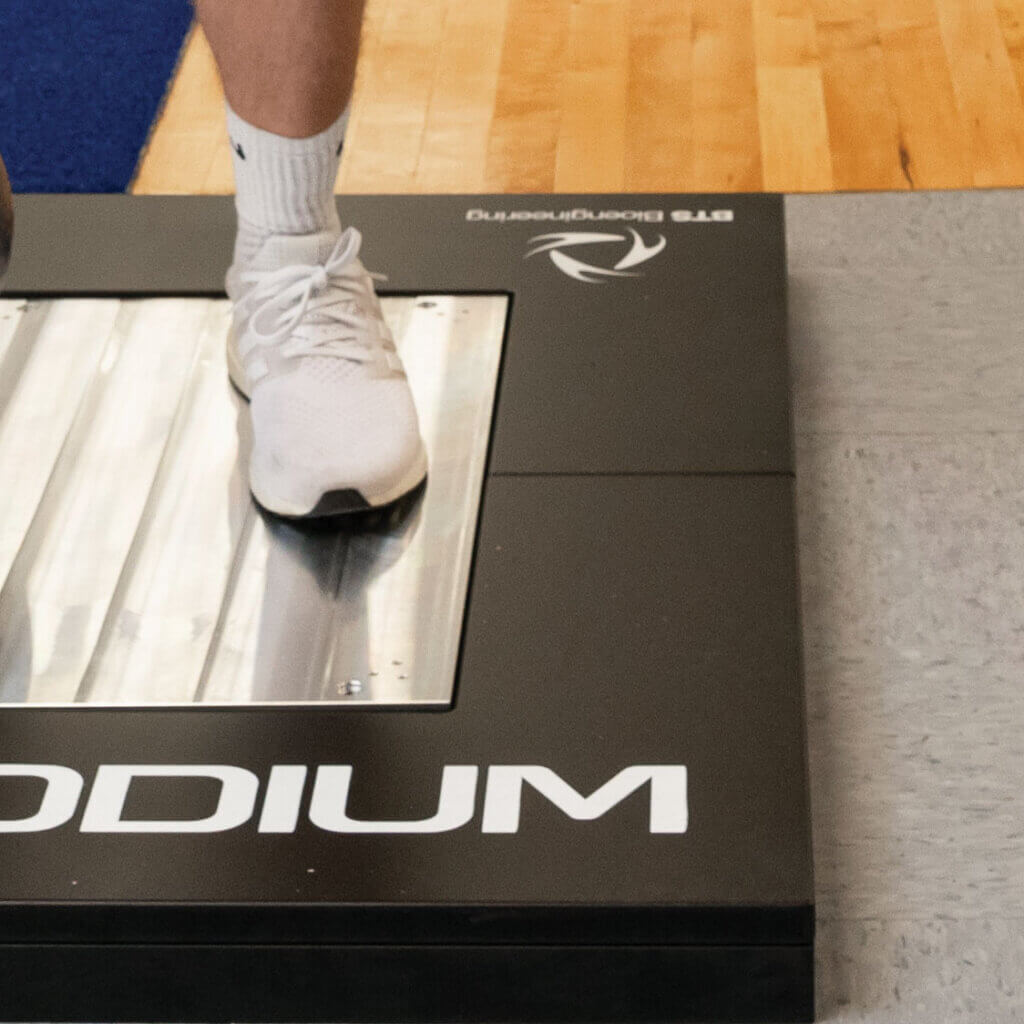
Force Plates
These platforms measure ground reaction forces and movement mechanics during activities such as jumps, squats, and kettlebell swings. This data helps students and faculty analyze balance, power, and performance, supporting injury prevention and biomechanical research.
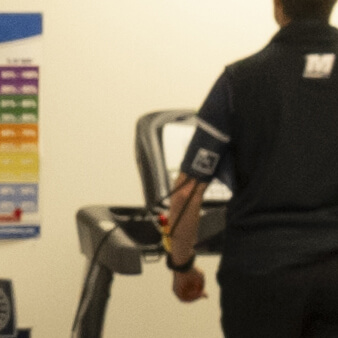
Wireless Motion Tracker
This system measures 3D movement patterns during activities such as walking, running, and rehabilitation tasks, capturing data on gait, balance, posture, and joint mobility. Its wireless design enables off-site use, expanding applied biomechanics research into real-world and community-based settings.
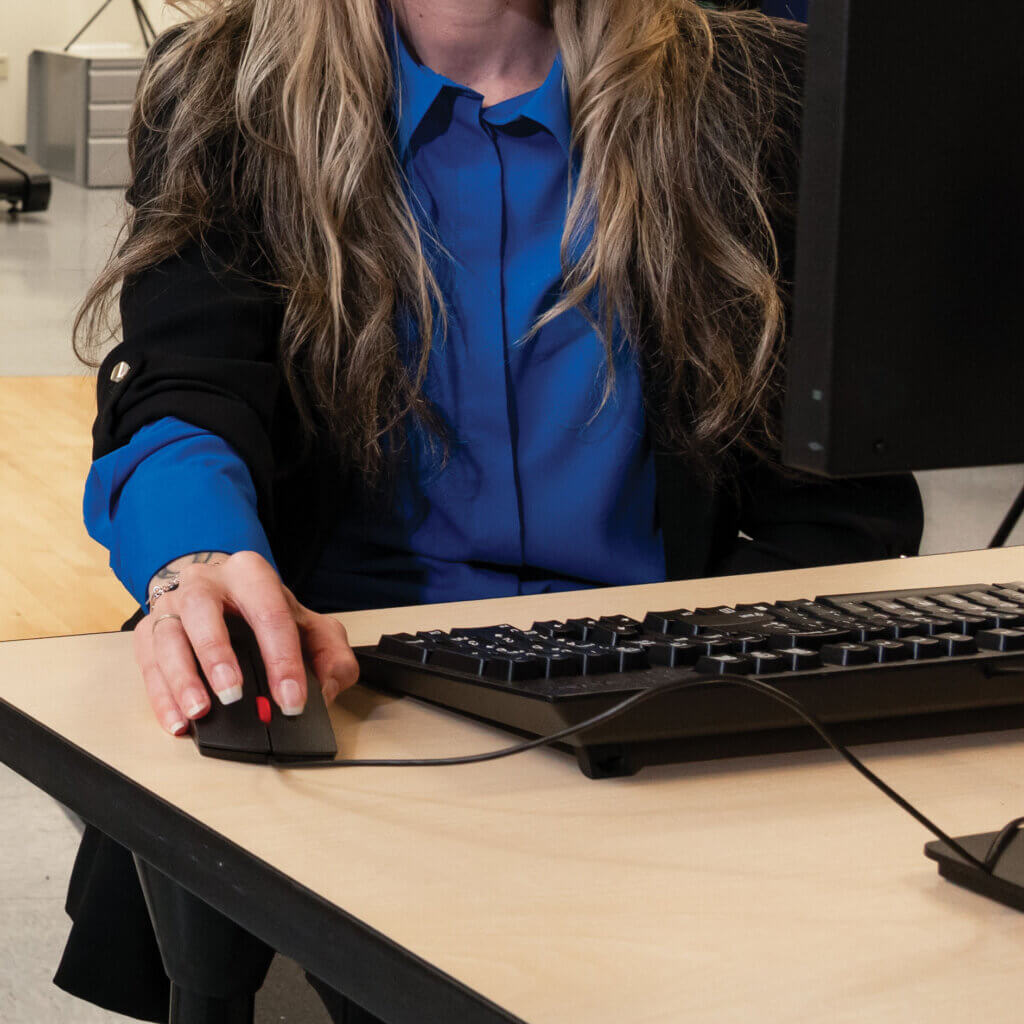
Synchronized Software System
This software synchronizes data from force plates, motion sensors, cameras, and electromyography into a unified platform that visualizes human performance in real time, enhancing instruction and advancing research across the Department of Health and Physical Education.