From Revolution to Remembrance
At key moments in American history, music has done more than entertain. It has helped people understand the world around them. Songs express emotion, solidarity, protest, grief, and hope in ways speeches or documents sometimes cannot.
From wars and social movements to cultural turning points, music has often become the soundtrack that both captures a moment and helps later generations interpret it. These 10 touchstones illustrate how music has shaped, reflected, and preserved the American story—just as the exhibits in the Bruce Springsteen Center for American Music do.
The American Revolution (1775–1783)
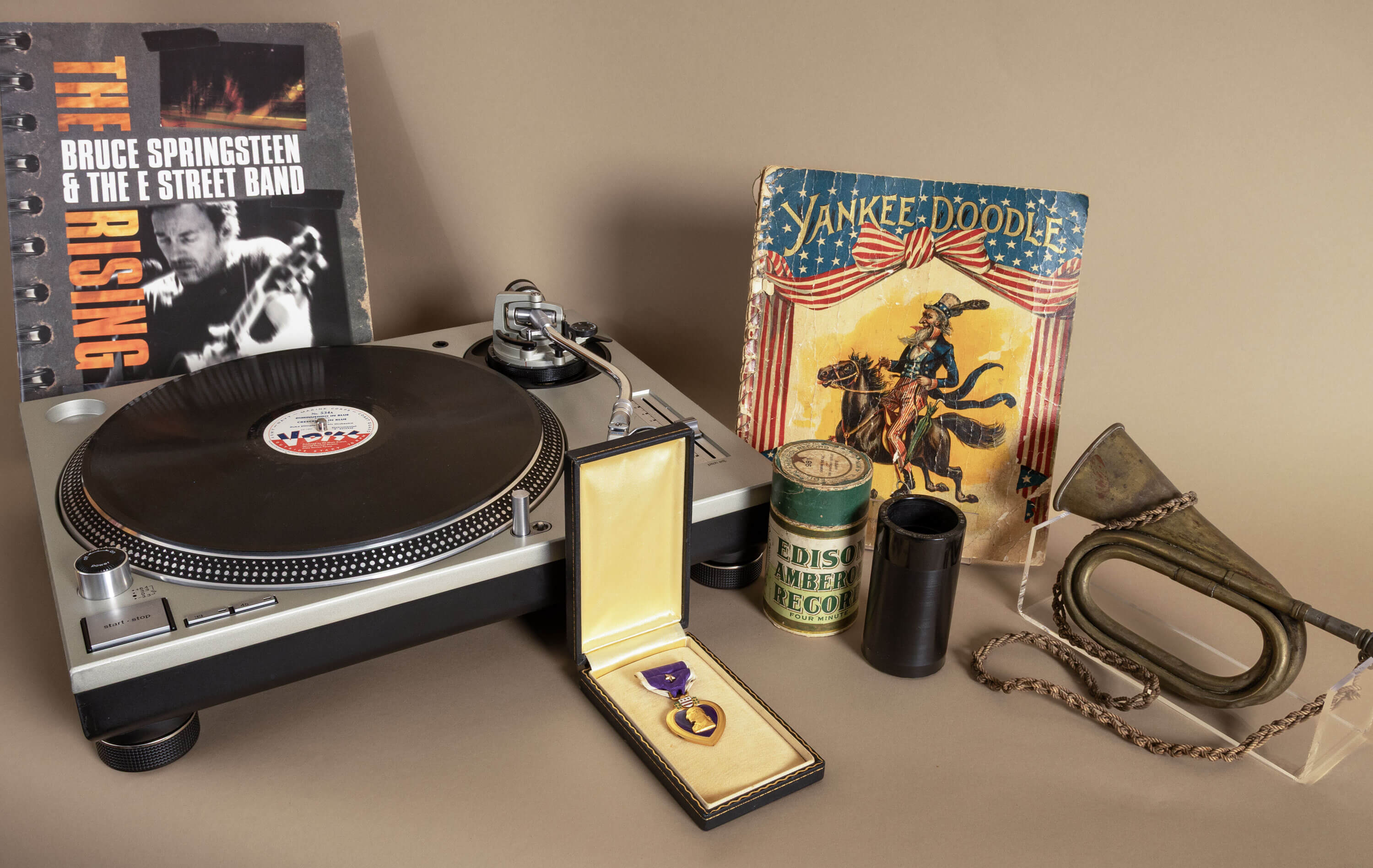
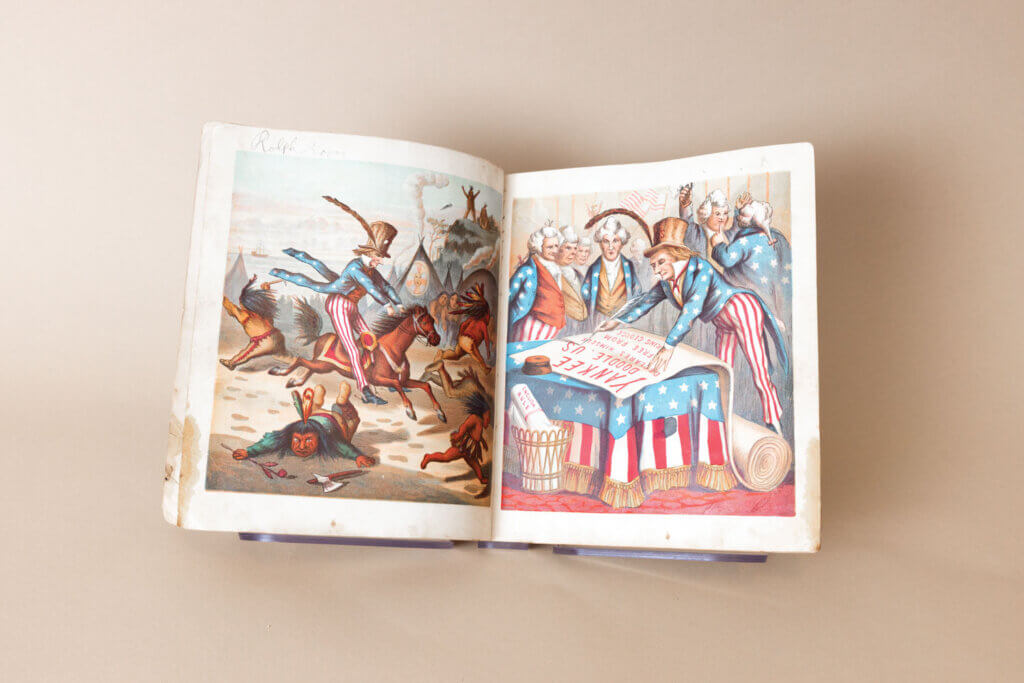
Music played a powerful role during the American Revolution. Songs like “Yankee Doodle,” originally sung to mock colonial soldiers, were reclaimed by Americans as an anthem of defiance. Ballads and marching tunes spread political ideas and boosted morale among troops and civilians alike. For a budding nation at war, music helped turn resistance into shared identity and carried the emotional force of independence.
The Civil War (1861–1865)
During the American Civil War, songs traveled with soldiers and across divided communities. The “Battle Hymn of the Republic” became a moral rallying cry for the Union, while “Dixie” symbolized Confederate identity. Music expressed grief, patriotism, and longing for home while helping people interpret the war in moral and spiritual terms.

Emancipation and the Birth of Spirituals (1860s)
As slavery ended, formerly enslaved people brought spirituals into public view—songs such as “Go Down Moses” and “Swing Low, Sweet Chariot.” These works carried coded meanings of resistance, faith, and liberation. They also laid the foundation for later American genres.

The Great Migration and the Rise of the Blues (1910s–1930s)
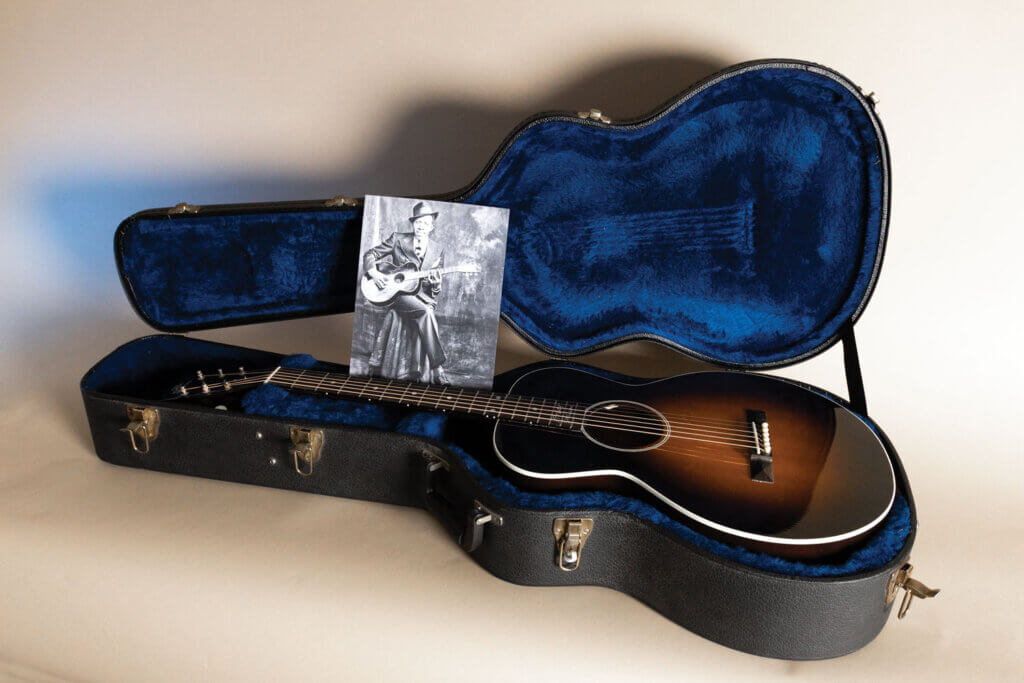
The Great Migration reshaped American culture as millions of Black Americans moved north. The blues—carried by artists like Robert Johnson and later electrified in Chicago—gave voice to displacement, labor struggles, and urban life. Songs like “Sweet Home Chicago” reveal how music documented migration’s emotional landscape.
The Great Depression and the Folk Revival (1930s)
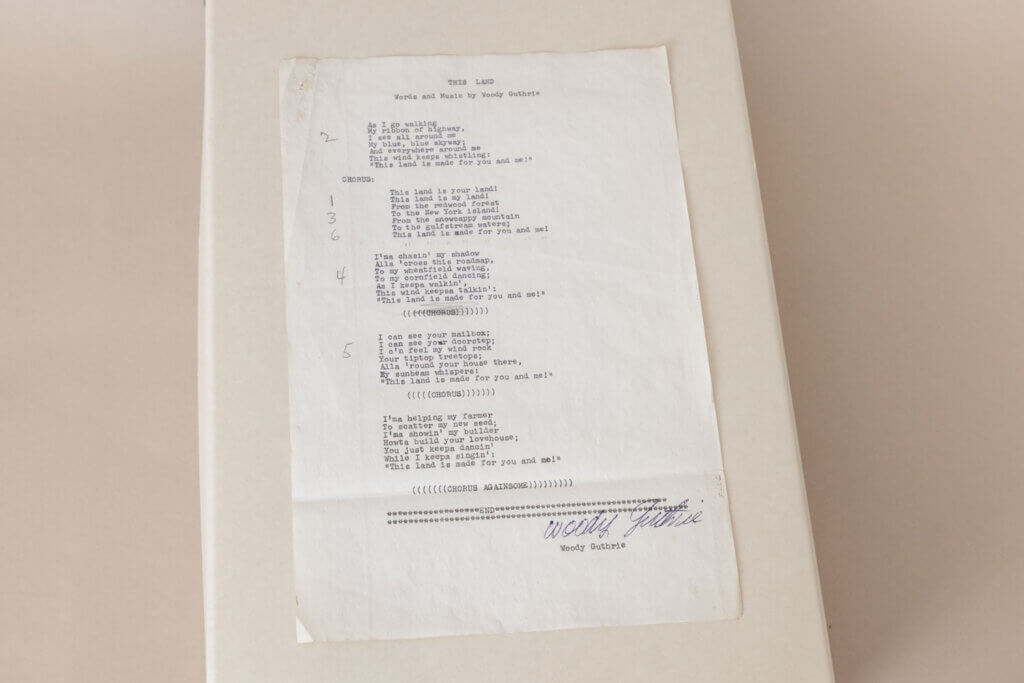
During the Great Depression, folk musicians chronicled hardship and inequality. Artists like Woody Guthrie wrote songs such as “This Land Is Your Land,” blending populist politics with everyday storytelling. These songs captured the frustrations and hopes of working Americans.
World War II and the Homefront Soundtrack (1941–1945)
Music helped Americans process fear and separation during World War II. Songs like “Boogie Woogie Bugle Boy” by The Andrews Sisters and “White Christmas” by Bing Crosby blended patriotism with nostalgia for home. They unified civilians and soldiers while revealing the emotional toll of wartime life.

The Civil Rights Movement (1950s–1960s)
Music was central to the moral and emotional force of the Civil Rights Movement. Protesters sang “We Shall Overcome” during marches and mass meetings, transforming a gospel-rooted song into a powerful collective anthem. Artists like Sam Cooke captured the era’s urgency in songs such as “A Change Is Gonna Come,” helping frame the movement’s demand for justice.

The Vietnam War and the Protest Song (1960s–1970s)
Opposition to the Vietnam War produced one of the most politically engaged periods in American music. Songs like Creedence Clearwater Revival’s “Fortunate Son” and Crosby, Stills, Nash & Young’s “Ohio” voiced anger, grief, and generational conflict. They remain among the clearest cultural windows into the era’s turmoil.

Hip-Hop and the Voice of the Inner City (1970s–1980s)
Born in the Bronx during the urban crisis, hip-hop became a new language for storytelling and protest. Early recordings like “The Message” by Grandmaster Flash and the Furious Five vividly described poverty, policing, and city life. The genre reshaped how Americans understand urban experience and youth culture.

September 11 and National Mourning (2001)
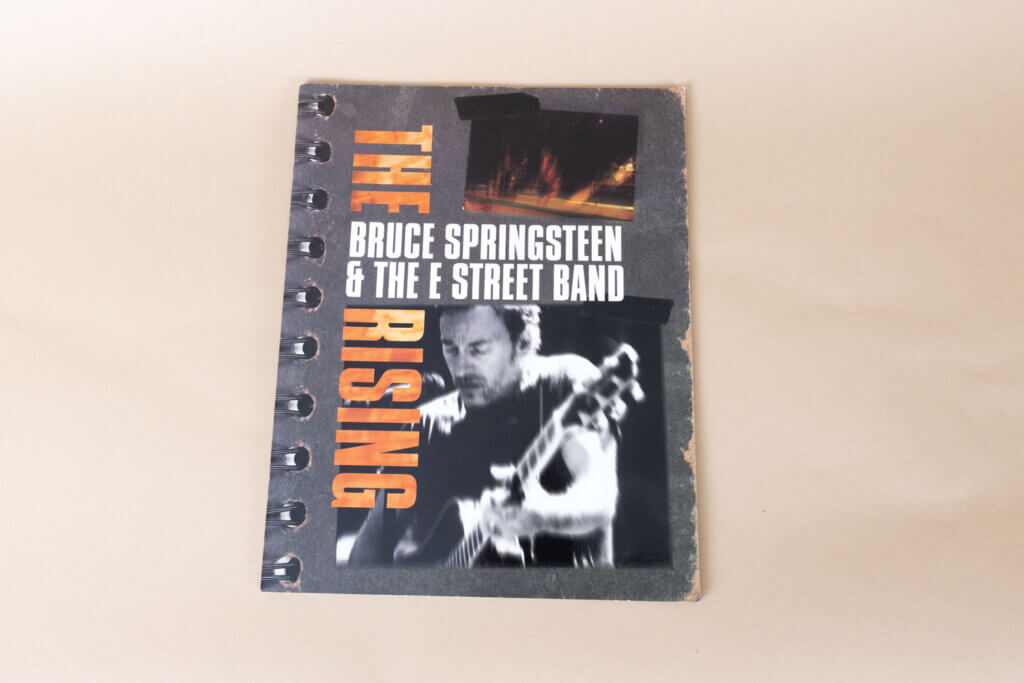
In the aftermath of 9/11, music helped Americans mourn and search for meaning. Songs like Bruce Springsteen’s “The Rising” captured grief, resilience, and collective healing. These works gave voice to a nation struggling to process tragedy and reaffirm community.
About the Author
Melissa Kozlowski ’04, ’07M is director of curatorial affairs for the Bruce Springsteen Center for American Music and an adjunct professor of public history.