Before Office Hours
Meet the professor who fronted a band that recorded with Dave Grohl and toured with the Foo Fighters.
When Ralph Cuseglio’s students Google him, they find the usual items: syllabi, research interests, office hours. Dig a little deeper, and they uncover what the associate professor of social work calls his “former life as a musician.”
That’s a modest description.
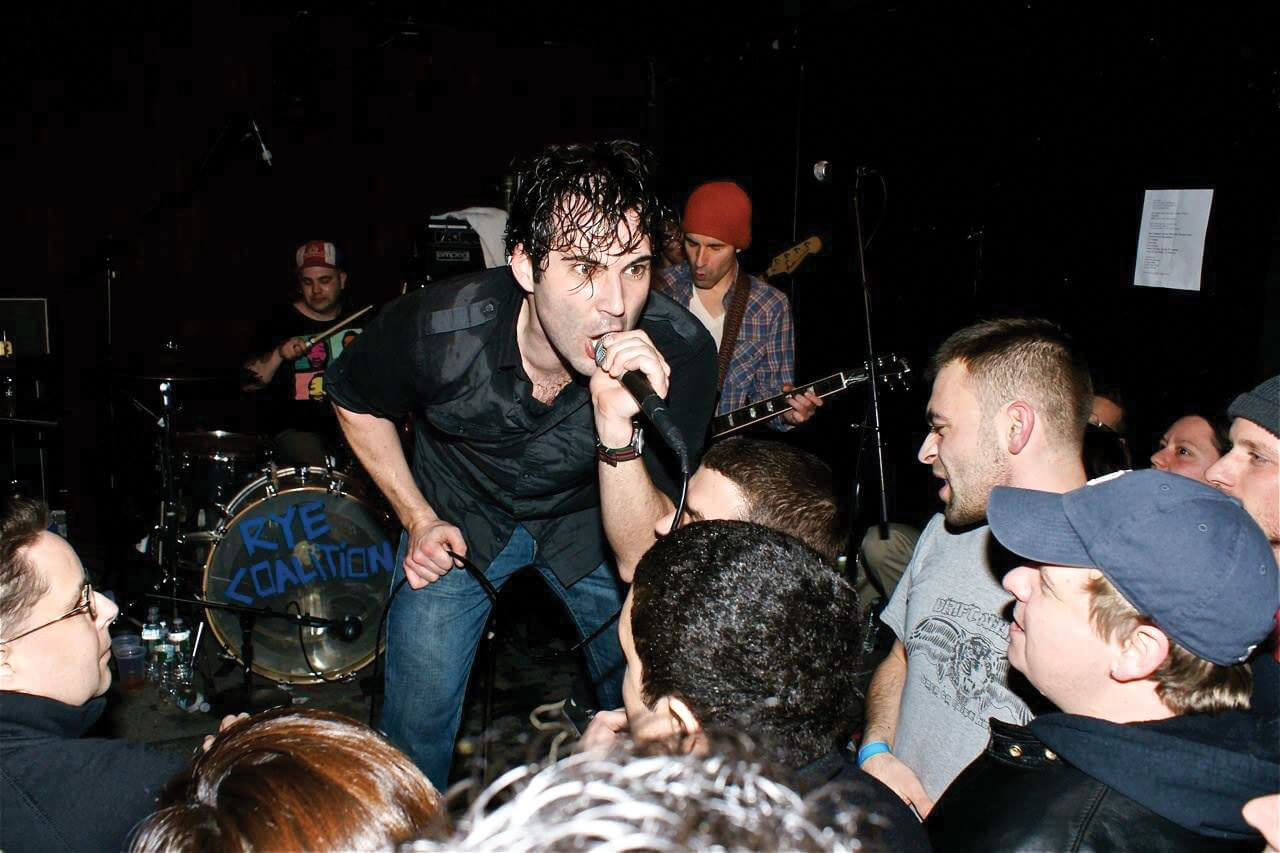
Long before he taught at Monmouth, Cuseglio fronted Rye Coalition, a New Jersey–based post-hardcore band that seemed destined for stardom—until the music industry shifted beneath them.
Cuseglio was 17 when he formed Rye with high school friends. The band’s music drew from early ’90s grunge, metal, and punk and, later, classic rock of the ’60s and early ’70s. Its shows were loud and intense. Onstage, Cuseglio was kinetic and unfiltered, “a stark contrast to day-to-day Ralph,” he jokes. But being the frontman offered him a release valve. “Rye was catharsis.”
That was equally true for his bandmates, all fellow teenagers and several of whom were navigating broken homes. The band provided structure; it was family.
By 2000, Rye had graduated from basements and VFW halls (and once, memorably, the trailer of an 18-wheeler) to relentless touring across the U.S., sharing stages with the White Stripes, the Strokes, and Queens of the Stone Age. Cuseglio put his graduate studies on hold to focus full time on music.
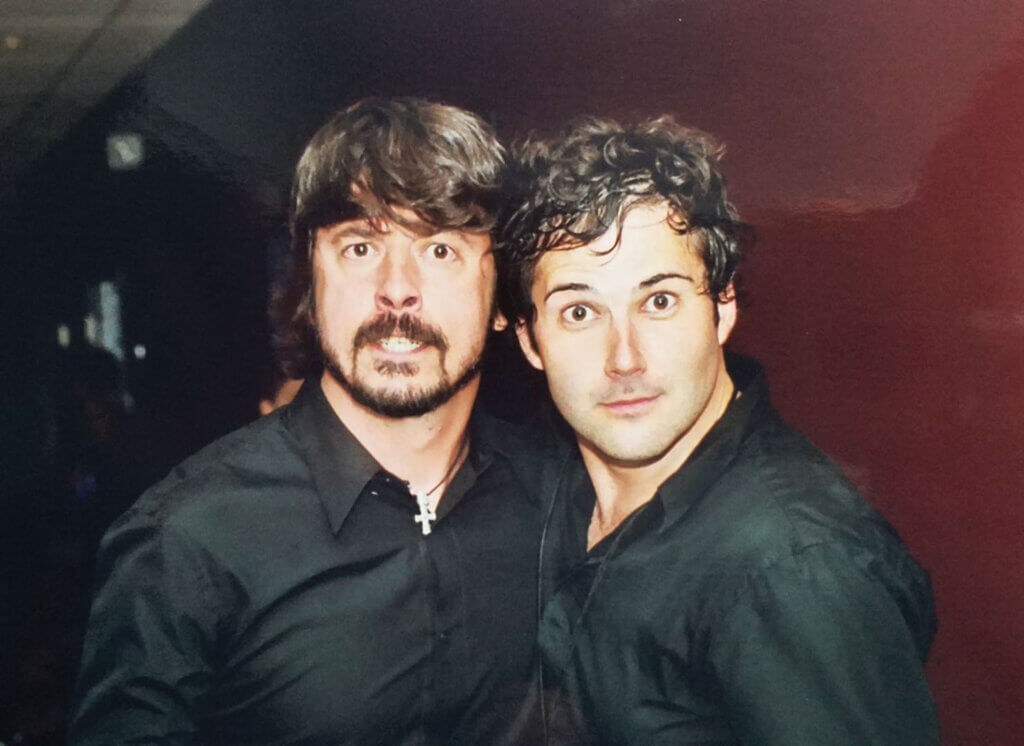
In 2002, the band signed with DreamWorks Records and headed to Los Angeles to record its major-label debut. Dave Grohl of Nirvana and the Foo Fighters produced. Actor and musician Jack Black hung out with them in the studio. It all felt surreal.
Then DreamWorks Records was sold amid industry shakeups tied to the shift to digital downloads.
Rye finished the album, but its release stalled due to the corporate reshuffling. “Suddenly we had an A&R guy who hadn’t signed us and whom we didn’t know,” says Cuseglio. Years passed, lawyers got involved, and eventually, the band regained control and released the album independently.
Soon after came a full European tour opening for the Foo Fighters, playing 25,000-seat arenas—gigs most bands only imagine. But by then Rye was “running on fumes,” says Cuseglio. “We were so heartbroken and disillusioned by the experience … and we started taking that out on one another.” They went their separate ways.
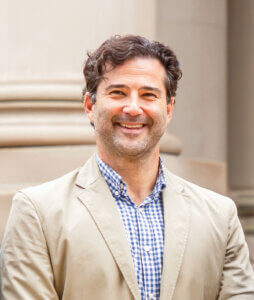
Cuseglio resumed his graduate studies, earned a doctorate in social work, and built a private practice he maintains today. Since joining Monmouth in 2016, he has taught advanced clinical courses that prepare graduate students for real-world work with children and families.
The connection between his two careers isn’t as unlikely as it seems. Years of performing taught him how to read a room and manage energy. They also gave him a better understanding of how emotion shows up in words, behavior, and creative work. That informs both his clinical practice and teaching, he says. For years he kept that early chapter close to the vest. Now, when students discover it online, he makes it a teachable moment. One day, he reminds them, their clients will Google them, forming impressions before they ever meet.